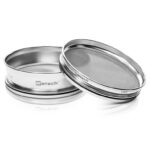
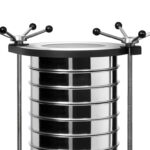
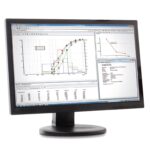
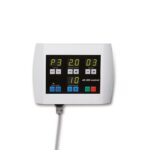

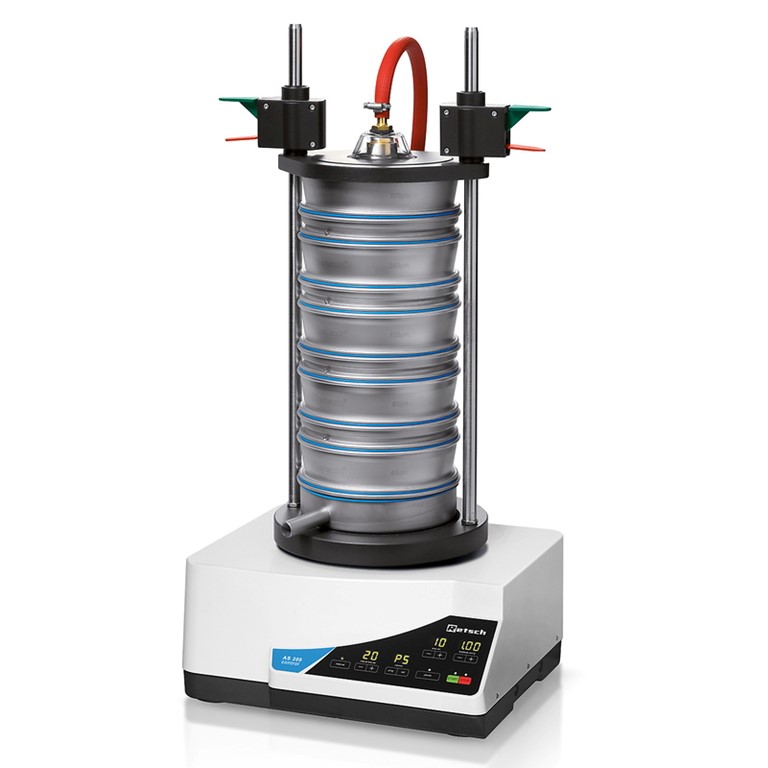
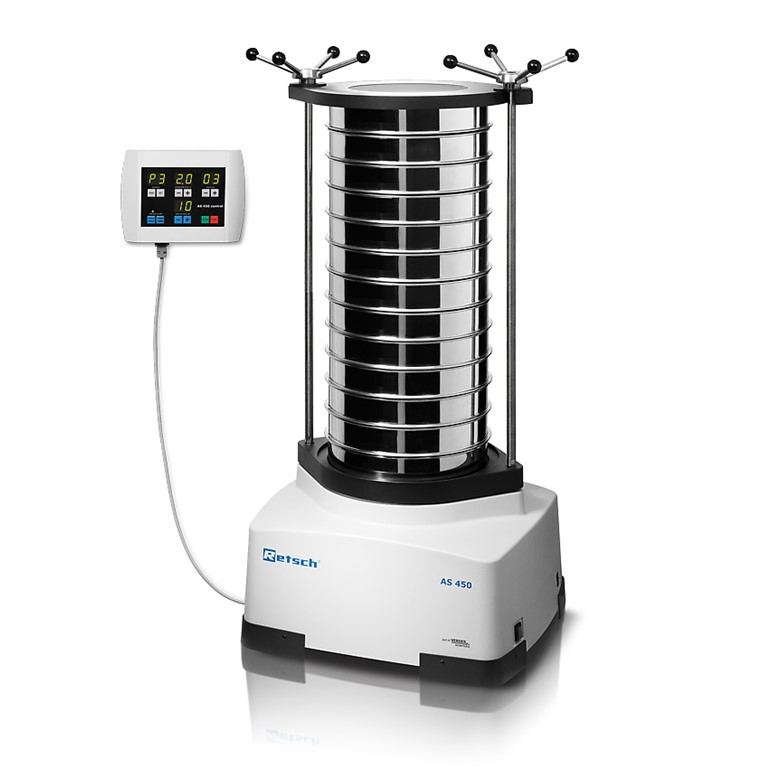
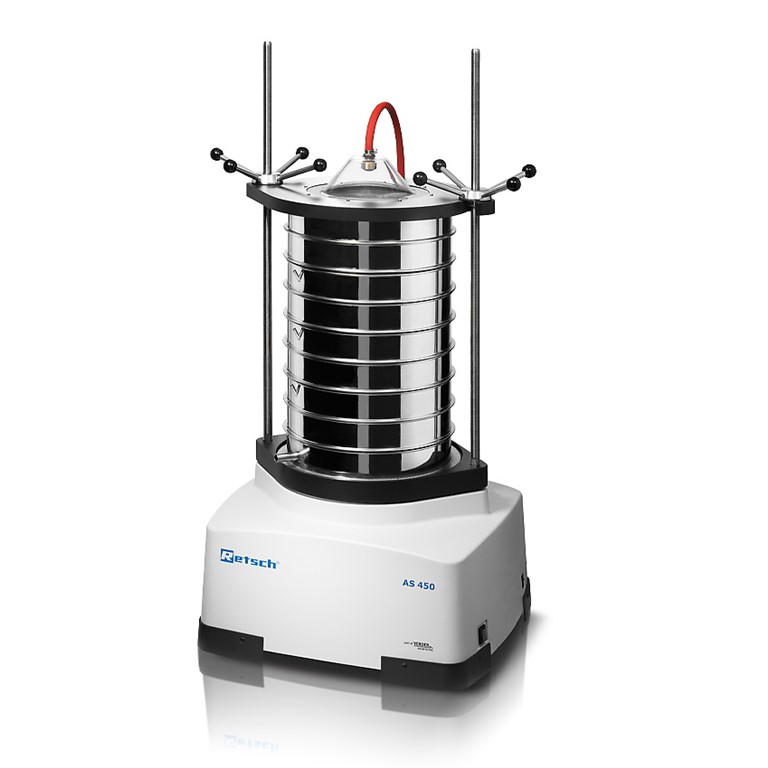
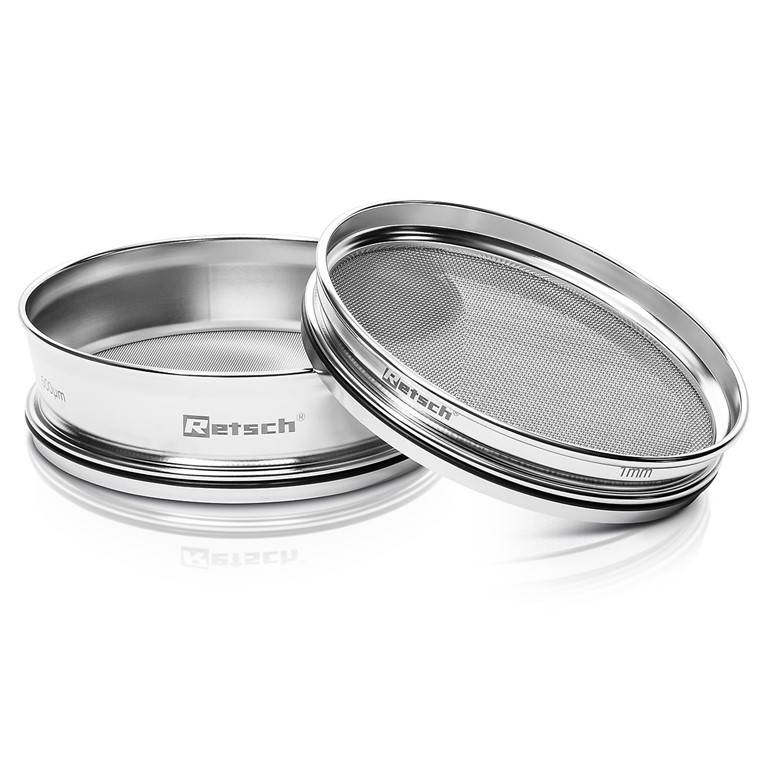
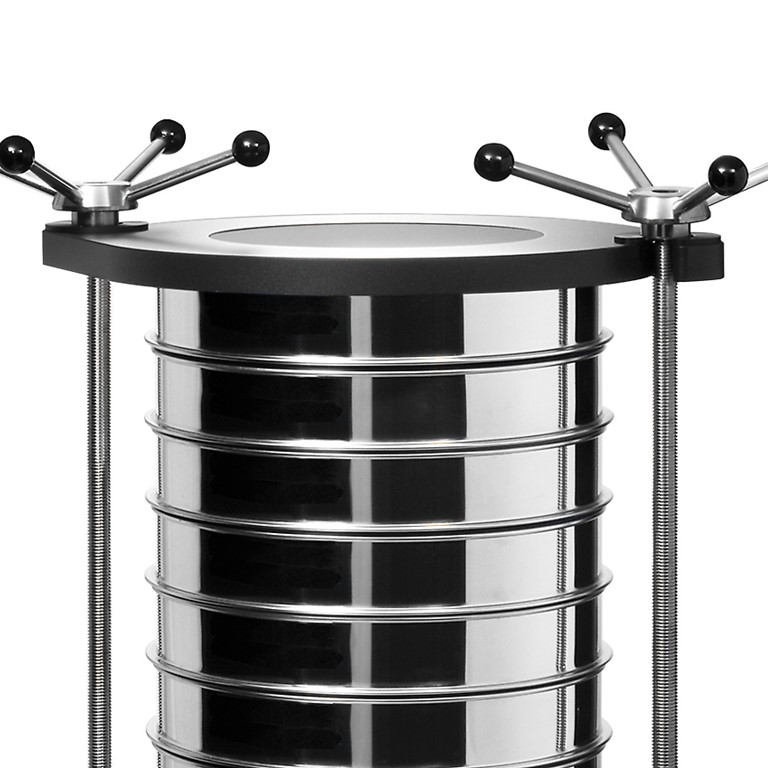
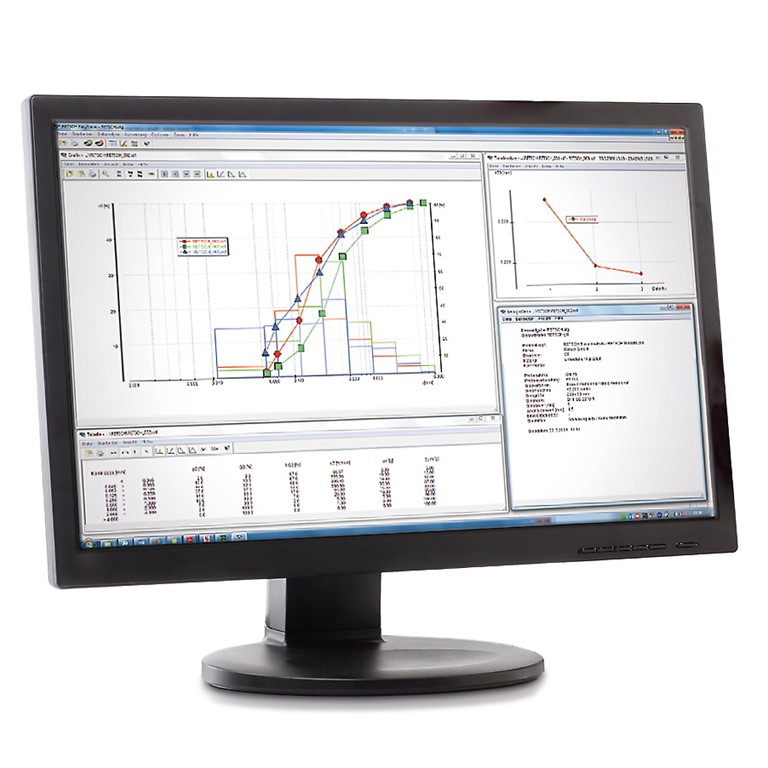
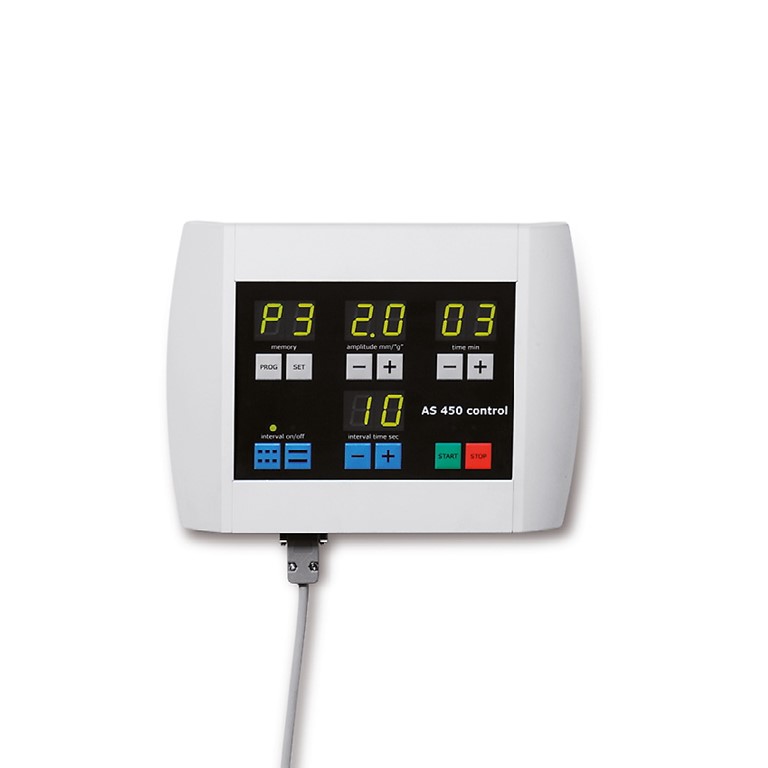
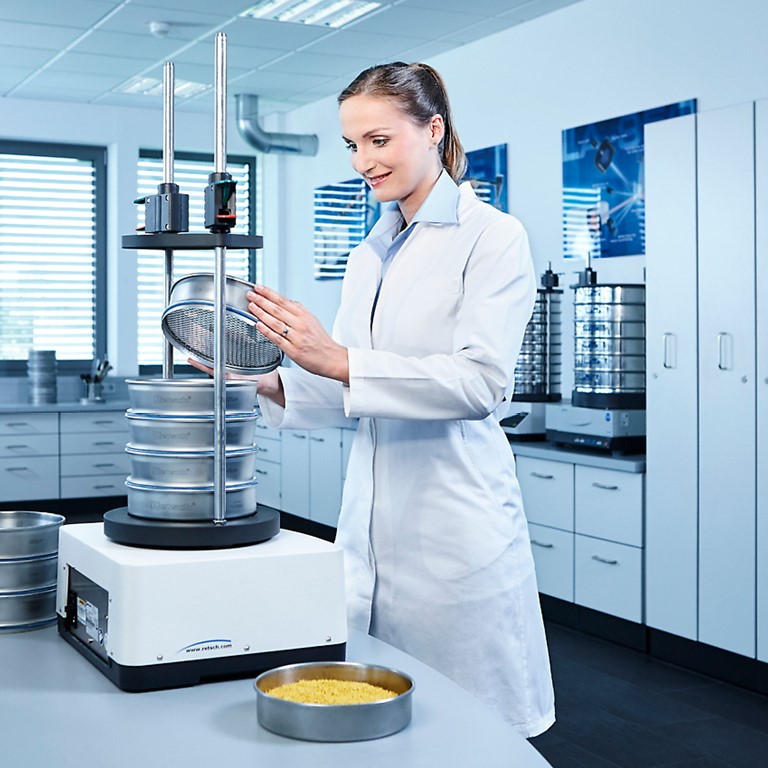

Εργαστηριακά Κόσκινα με Δόνηση

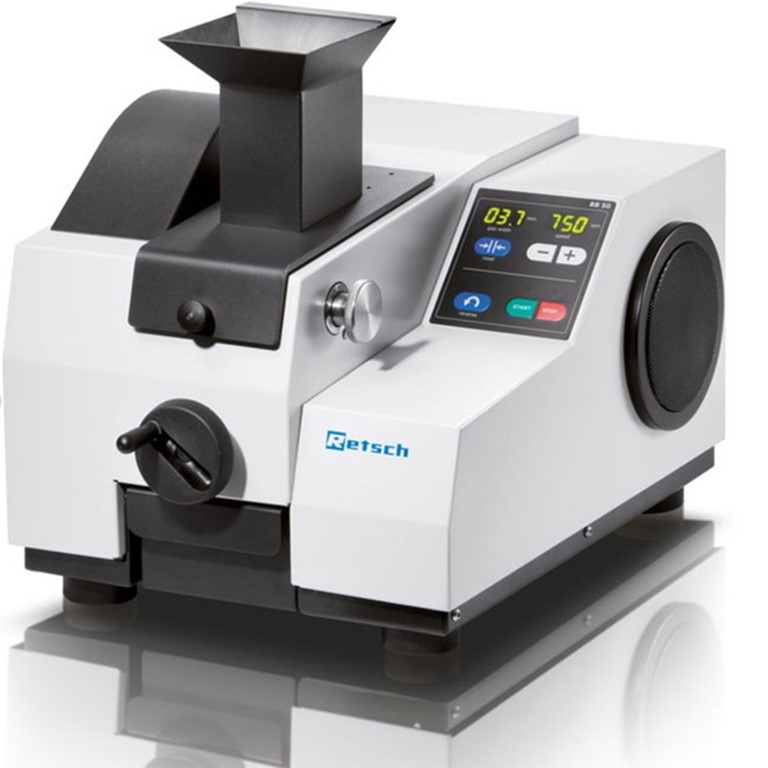
Τα εργαστηριακά κόσκινα με δόνηση (Vibratory Sieve Shakers) είναι συστήματα διαχωρισμού που προσφέρουν ακριβή και επαναλήψιμα αποτελέσματα κοκκομετρικής ανάλυσης, ιδανικά για την έρευνα, τον ποιοτικό έλεγχο και την παραγωγή.

Category Brand:

Περιγραφή

Ball Mills
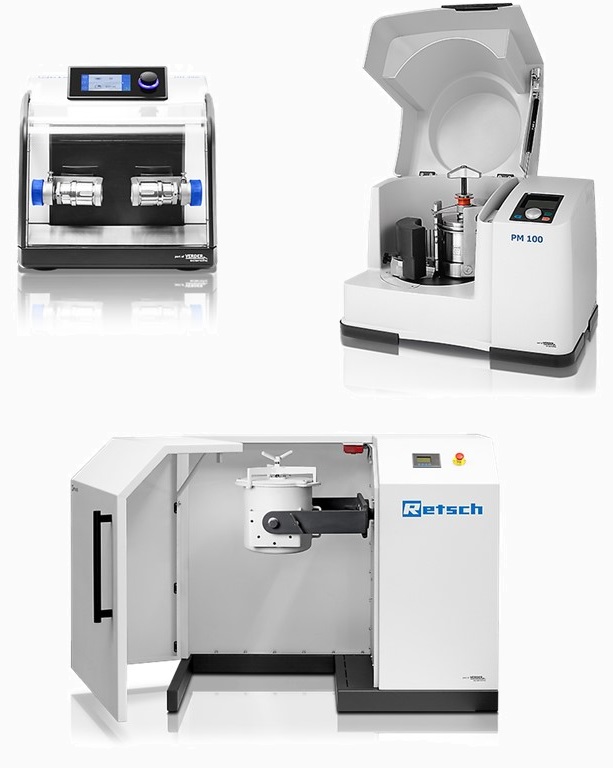
Α suitable ball mill for every application

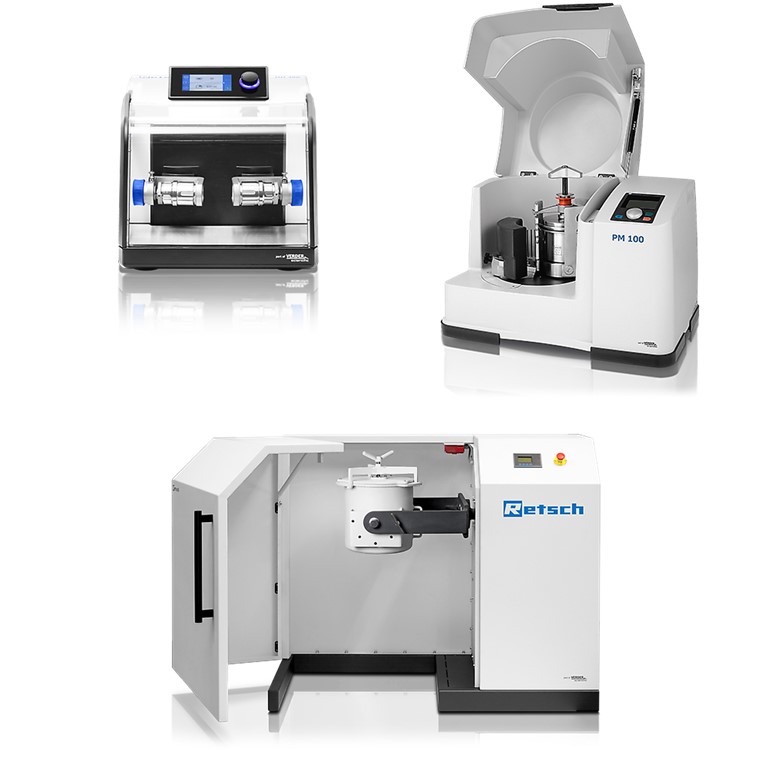
Ball Mills from RETSCH represent one of the most versatile and effective solutions for size reduction, suitable for processing hard, brittle, and fibrous materials across a wide range of laboratory applications. With a broad selection of models and configurations, these systems support different grinding modes, sample volumes, and material requirements, ensuring precise and reproducible results in both research and quality control environments.

Product Categories

🟦 Mixer Mills – suitable for cooling, heating, and cryogenic grinding
🟦 Planetary Ball Mills – available with 1, 2, or 4 grinding stations
🟦 High Energy Ball Mills – designed for ultrafine grinding with high impact energy
🟦 Drum Mills – ideal for grinding and mixing large sample volumes
🟦 XRD-Mill McCrone – optimized for sample preparation for X-ray diffraction (XRD)

The flexibility in grinding technologies and the availability of various grinding tools and materials make ball mills ideal for applications ranging from routine sample preparation to advanced analytical processes. Whether for ultrafine grinding, cryogenic processing, or large-volume mixing, RETSCH ball mills provide high performance, adaptability, and reliability for demanding laboratory workflows.

Mixer Mills
Fast homogenization of small sample volumes

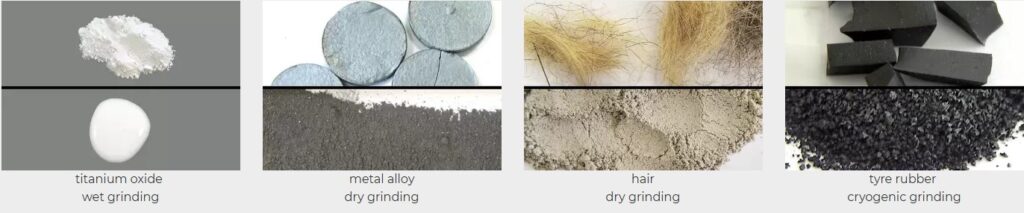
Mixer Mills are designed for fast and efficient grinding and homogenization of small sample volumes through impact and friction. They support dry, wet, and cryogenic grinding, as well as cell disruption applications such as DNA/RNA and protein recovery. Thanks to their compact design and user-friendly operation, mixer mills are ideal for laboratories requiring high performance in limited space, while also offering specialized solutions for applications like mechanosynthesis.

Key Features & Capabilities

🟦 Grinding modes: dry, wet, and cryogenic grinding
🟦 Sample volume: up to 6 × 20 ml
🟦 Final fineness: up to 0.1 µm
🟦 Grinding mechanism: impact and friction
🟦 Cell disruption via bead beating
🟦 Compact footprint for space-efficient laboratory use
🟦 Suitable for DNA/RNA and protein recovery applications

Working Principle & Applications 

Mixer Mills operate through horizontal radial oscillations of the grinding jars, where grinding balls impact the sample at high energy, achieving rapid size reduction by impact and friction at frequencies up to 35 Hz. They are suitable for dry and wet grinding of soft, hard, brittle, and fibrous materials, as well as cell disruption for DNA/RNA and protein extraction via bead beating. Widely used in both advanced research (e.g. mechanochemistry, ultrafine grinding) and routine laboratory tasks, they offer high versatility, with some models enabling temperature control from -196 °C to +100 °C and configurations with 1, 2, or 6 grinding stations for flexible application.

Available Models

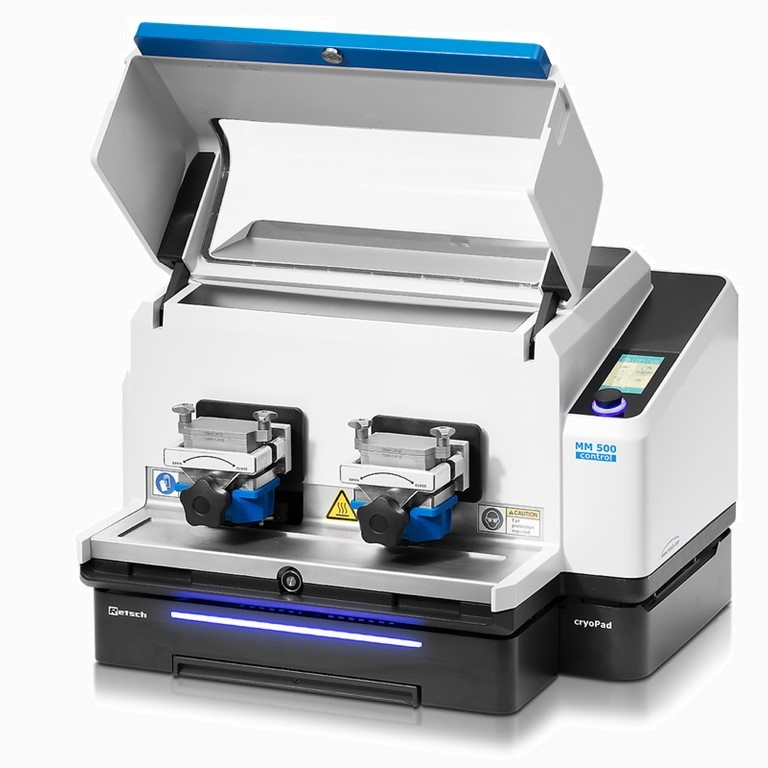
🟦 MM 500 control – Advanced temperature-controlled grinding with cooling and heating, ideal for sensitive and demanding applications; feed size ≤ 10 mm, final fineness ~ 0.1 µm, frequency 3–30 Hz
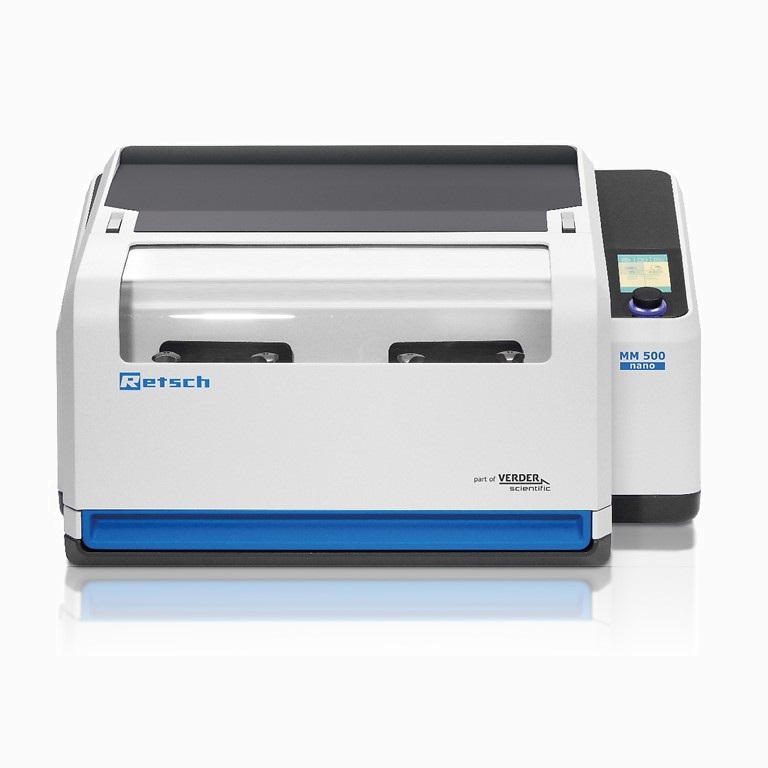
🟦 MM 500 Nano – Engineered for ultrafine and nanoscale grinding, delivering maximum energy input for extremely fine results; feed size ≤ 10 mm, final fineness ~ 0.1 µm, frequency 3–35 Hz
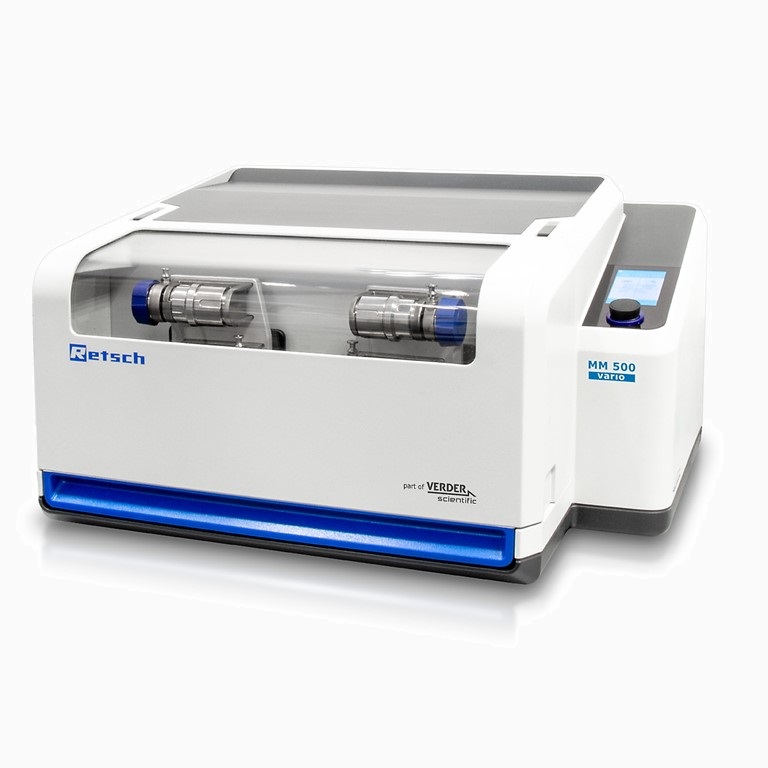
🟦 MM 500 Vario – Designed for high-throughput processing, enabling up to 6 samples per batch with consistent performance; feed size ≤ 8 mm, final fineness ~ 5 µm, frequency 3–35 Hz
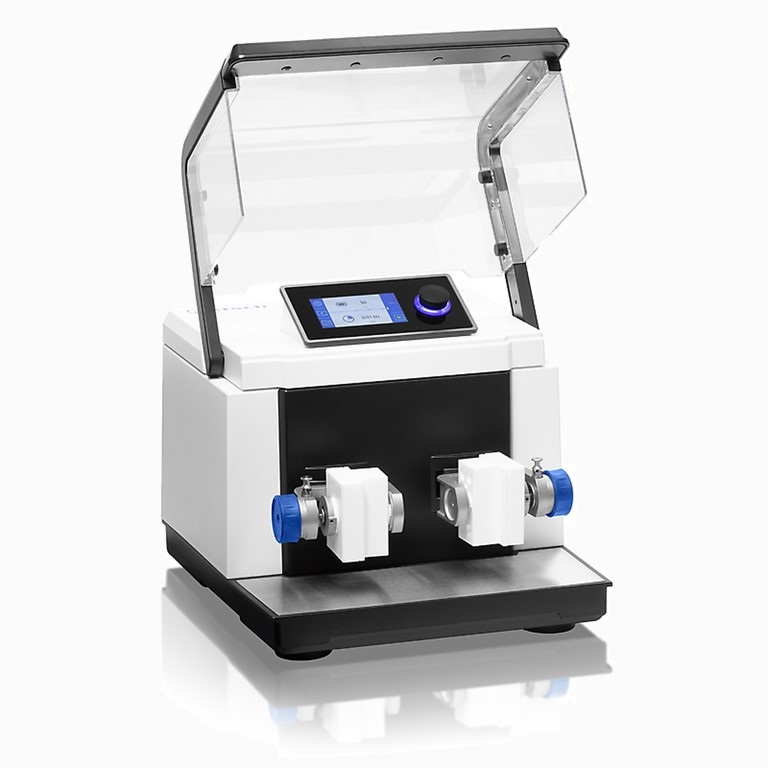
🟦 MM 400 – The classic allrounder for routine laboratory applications, offering reliable and reproducible grinding; feed size ≤ 8 mm, final fineness ~ 5 µm, frequency 3–30 Hz
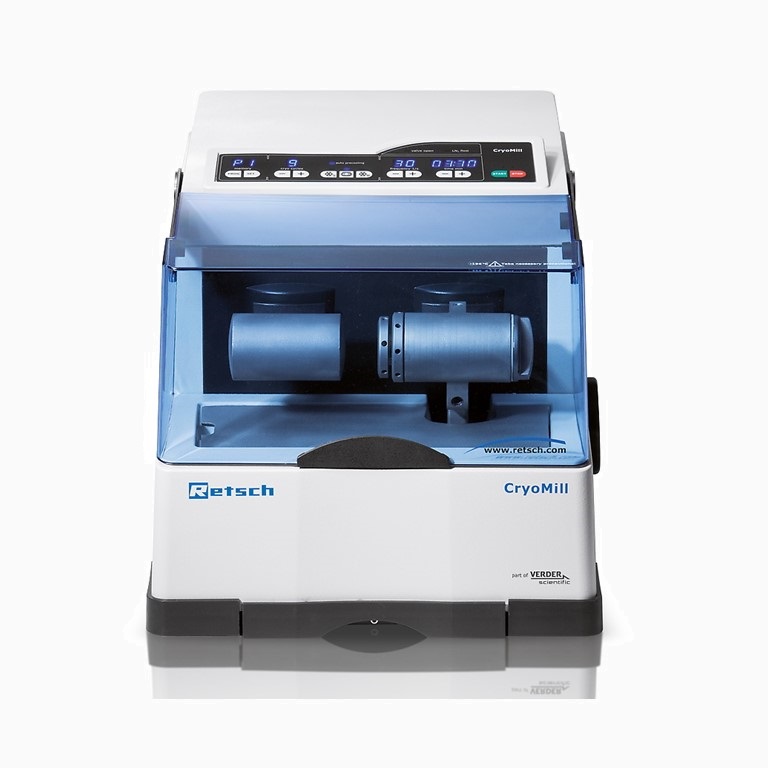
🟦 CryoMill – Specialized for cryogenic grinding, ideal for temperature-sensitive materials using liquid nitrogen; feed size ≤ 8 mm, final fineness ~ 5 µm, frequency 5–30 Hz
🟦 GrindControl – Measuring System – Enables real-time monitoring of grinding conditions, measuring pressure (0–5 bar) and temperature (-25 °C to +90 °C) directly inside the grinding jar

Planetary Ball Mills
Pulverization with high energy input

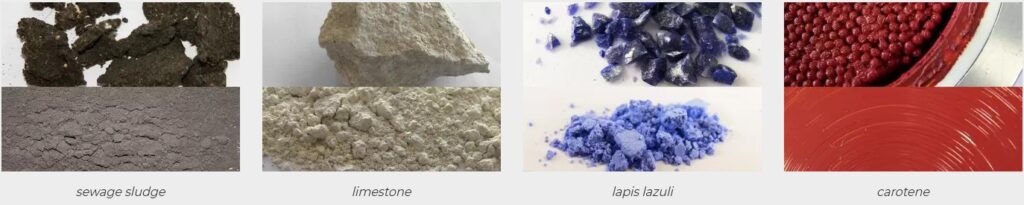
Planetary Ball Mills are designed to meet the highest demands for fast, reproducible grinding to analytical fineness, making them ideal for both routine sample preparation and advanced research applications. Suitable for processing soft, hard, brittle, and fibrous materials, they deliver exceptionally high energy input through centrifugal forces, enabling ultrafine particle sizes down to 0.1 µm. Available with 1, 2, or 4 grinding stations and supporting sample volumes up to 4 × 220 ml, these systems offer maximum flexibility for a wide range of laboratory workflows.

Key Features & Capabilities

🟦 Final fineness: up to 0.1 µm
🟦 Sample volume: up to 4 × 220 ml
🟦 Extremely high centrifugal forces for maximum energy input
🟦 Dry and wet grinding by impact and friction
🟦 Suitable for soft, hard, brittle, and fibrous materials
🟦 Configurations with 1, 2, or 4 grinding stations
🟦 Ideal for ultrafine grinding and mechanochemical applications
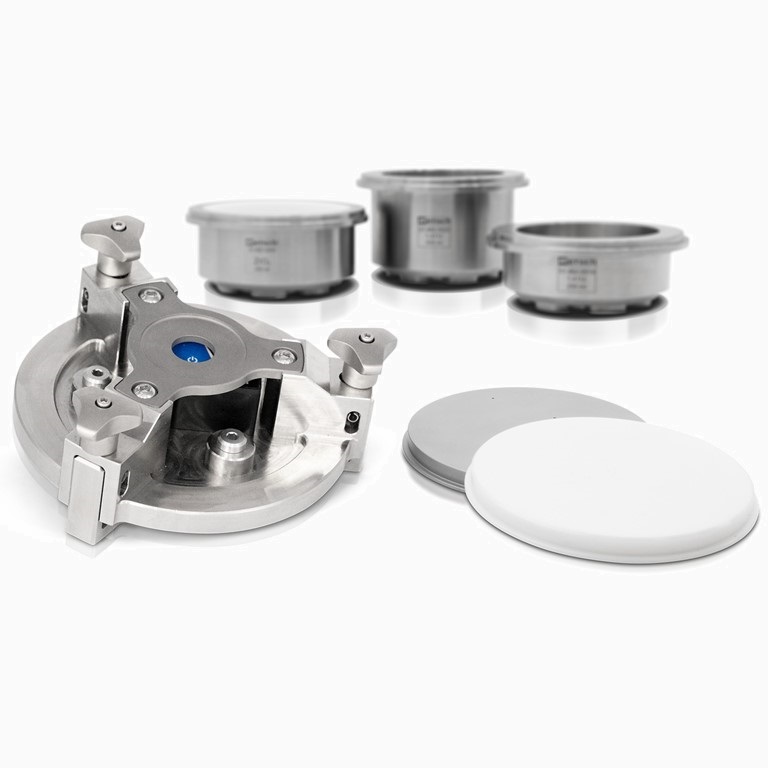
🟦 Wide selection of jar sizes and grinding materials

Working Principle & Applications 

In planetary ball mills, each grinding jar acts as a “planet” rotating on a sun wheel, while simultaneously spinning around its own axis in the opposite direction. This movement generates strong centrifugal and Coriolis forces, accelerating the grinding balls and creating intense impact and friction, resulting in rapid and efficient size reduction. Typically operating at a 1:-2 speed ratio, these systems can achieve even higher energy input for mechanochemical processes. Planetary ball mills are widely used in mechanochemistry, ultrafine colloidal grinding, co-crystal screening, and routine mixing and homogenization, offering exceptional versatility and performance across laboratory applications.

Available Models

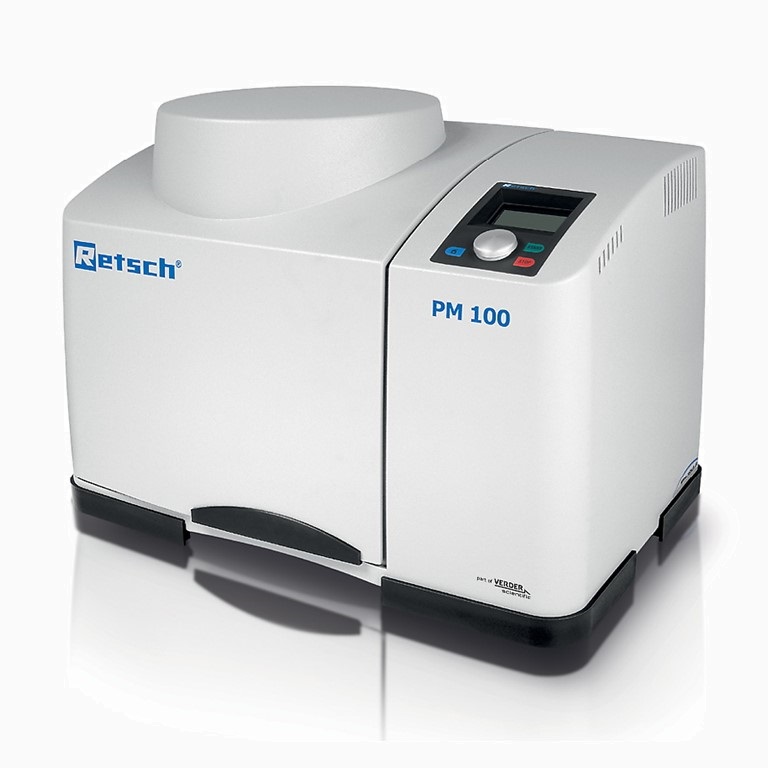
🟦 PM 100 – Ideal for standard laboratory applications, offering reliable grinding performance with a single station; feed size < 10 mm, final fineness < 1 µm (down to 0.1 µm for colloidal grinding), speed ratio 1:-2, 1 grinding station
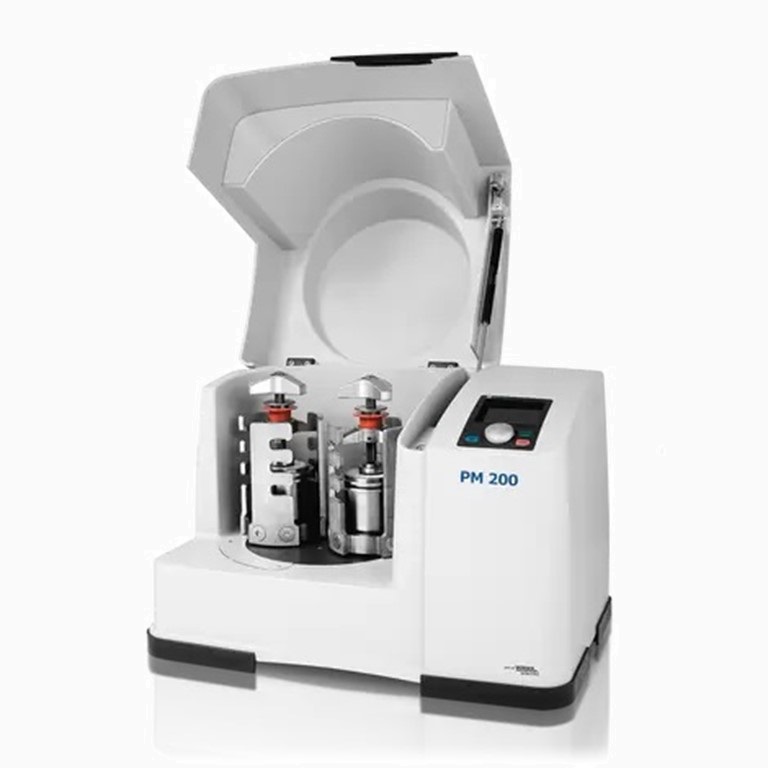
🟦 PM 200 – Designed for parallel sample processing, enabling efficient workflows with two grinding stations; feed size < 4 mm, final fineness < 1 µm (down to 0.1 µm), speed ratio 1:-2, 2 grinding stations
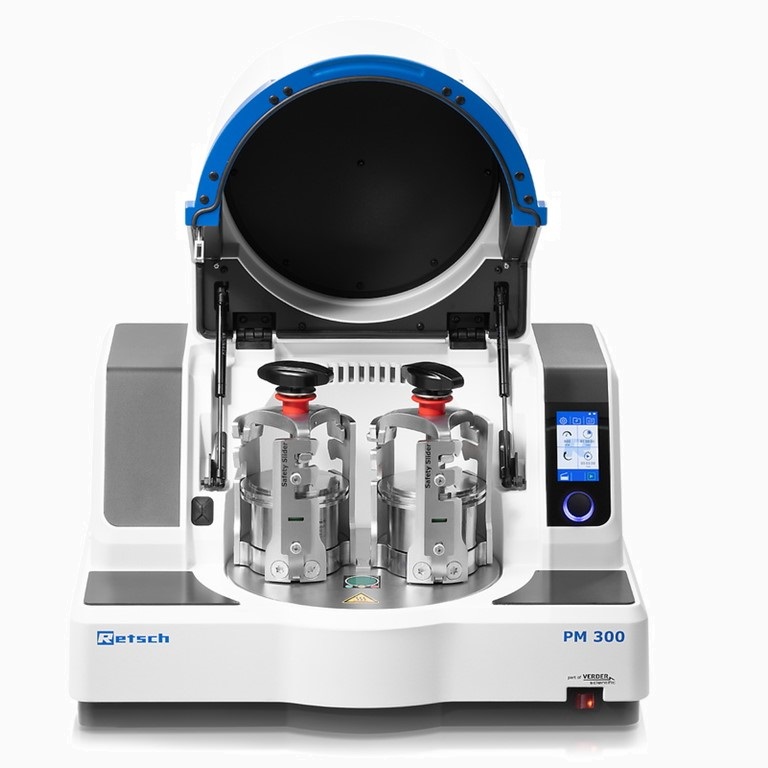
🟦 PM 300 – A powerful and ergonomic solution for demanding applications, combining high performance with user-friendly operation; feed size < 10 mm, final fineness < 1 µm (down to 0.1 µm), speed ratio 1:-2, 2 grinding stations
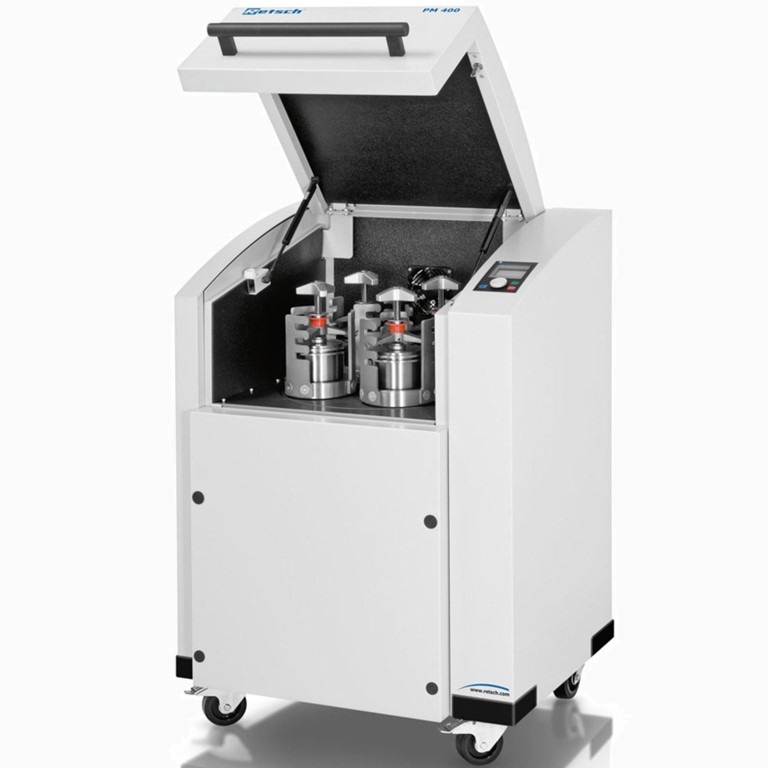
🟦 PM 400 – Engineered for larger sample volumes and high-throughput grinding, with flexible configurations; feed size < 10 mm, final fineness < 1 µm (down to 0.1 µm), speed ratios 1:-2 / 1:-2.5 / 1:-3, 2 or 4 grinding stations

High Energy Ball Mills

High Energy Ball Mills from RETSCH are engineered for maximum grinding efficiency and precision, supporting both research & development and quality control applications. By delivering extremely high energy input, these systems enable faster processing times, ultrafine particle sizes, and highly homogeneous results, even in the most demanding applications such as mechanochemistry, pharmaceuticals, materials science, and environmental analysis. Their advanced design allows control over energy input, temperature, and motion dynamics, making them powerful tools for optimized reaction outcomes and reproducible processes.

Key Features & Capabilities

🟦 Extremely high energy input for enhanced grinding efficiency
🟦 Production of ultrafine and uniform particle size distributions
🟦 Significant reduction in processing time
🟦 Simultaneous impact and friction for improved mixing effects
🟦 Suitable for dry and wet grinding across various materials
🟦 High reproducibility for reliable experimental results
🟦 Wide range of grinding jars and materials for application flexibility
🟦 User-friendly operation and easy maintenance

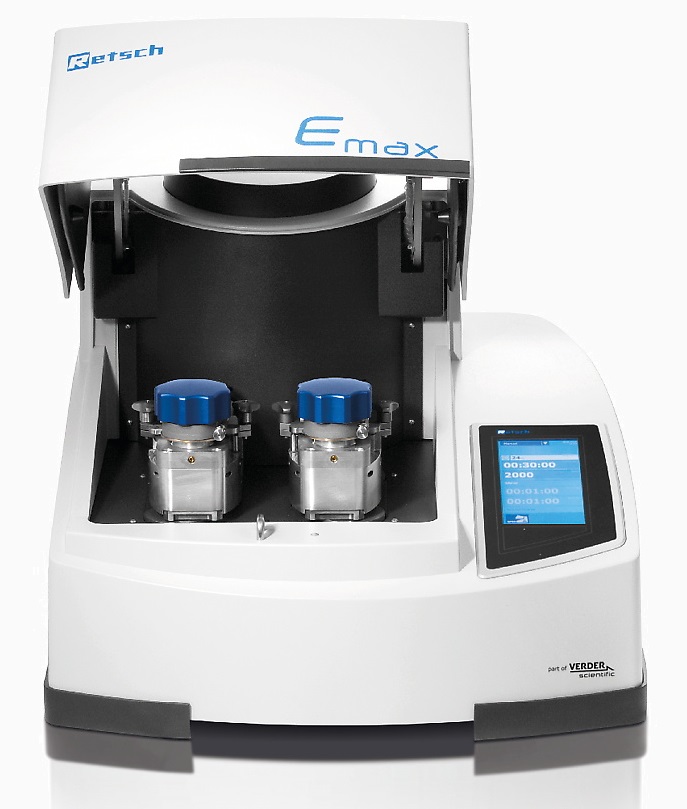
The High Energy Ball Mill Emax, the most powerful model in the RETSCH portfolio, delivers maximum energy input with speeds up to 2000 rpm, reaching accelerations of up to 76 g. Its unique operating principle and optimized grinding jar design enable the production of ultrafine particles with an exceptionally narrow particle size distribution, while significantly reducing grinding and reaction times. The system ensures simultaneous impact and friction, enhancing the mixing effect and resulting in highly efficient and uniform sample processing.

🟦 High Energy Ball Mill Emax – Delivers ultrafine grinding at up to 2000 rpm, achieving maximum energy input for demanding applications; sample volume up to 2 × 45 ml, final fineness ~ 0.08 µm, with a highly effective size reduction mechanism and water cooling for continuous operation

Drum Mills

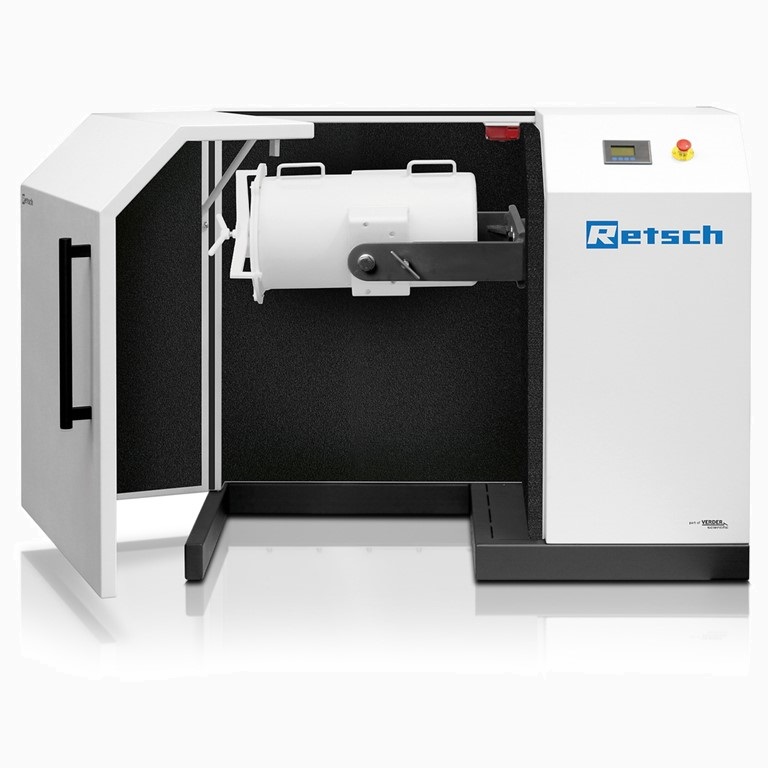
Drum Mills are designed for the efficient grinding of large feed sizes and high sample volumes, making them ideal for applications requiring bulk material processing. Operating in both dry and wet conditions, they provide flexible grinding solutions depending on the type of grinding media used. As a type of ball mill, drum mills utilize impact and friction to achieve reliable size reduction, with final fineness depending on the specific configuration and application requirements.

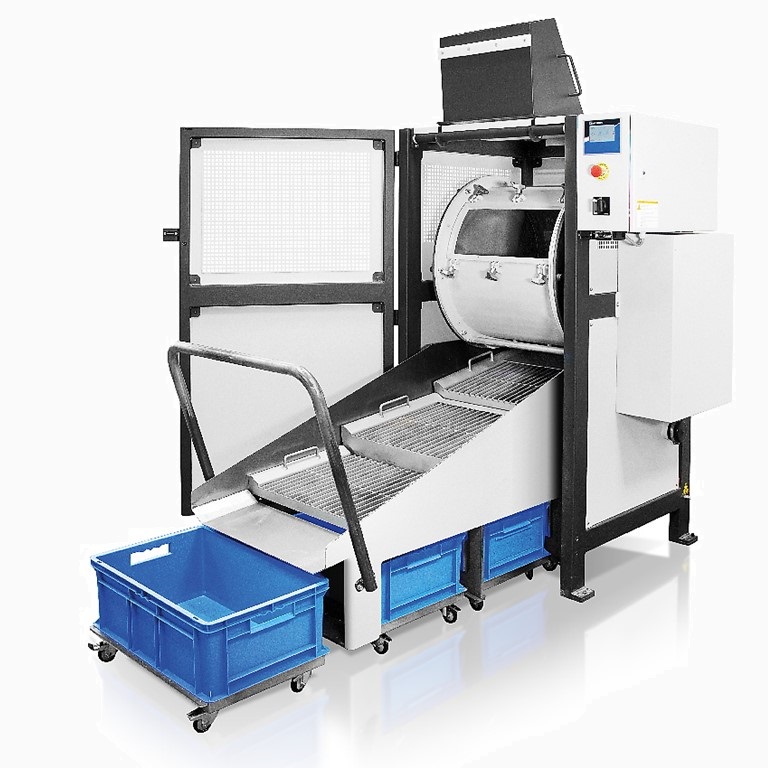
The TM 300 Drum Mill is a versatile laboratory solution capable of operating as both a ball mill or rod mill, suitable for preparing granules and powders with final fineness below 20 µm, depending on the material and grinding setup. For larger-scale applications, the TM 500 Drum Mill is designed to handle sample volumes up to 35 liters, accepting feed sizes up to 20 mm and achieving final fineness down to 15 µm, making it ideal for high-capacity grinding tasks.

Functional Principles

In a drum mill, the sample—typically pre-crushed material—is placed inside a rotating drum together with the grinding media, where it is subjected to impact and friction forces for efficient size reduction. As the drum rotates around a horizontal axis, the grinding balls continuously act on the material, breaking it down into finer particles. The final fineness depends on the size of the grinding media, with larger balls enabling faster particle breakage and smaller balls producing finer results, allowing flexible adaptation to different grinding requirements.

Available Models

🟦 TM 300 – A flexible grinding solution operating with balls or rods, also suitable as a Bond Index Tester; feed size < 20 mm (Bond: < 3.35 mm / 12.50 mm), final fineness < 20 µm (Bond: < 100 µm / 2,100 µm), available drum sizes 5 / 10 / 21.7 / 43.3 l
🟦 TM 500 – Designed for large-volume grinding, with optional 316L steel version for demanding applications; feed size < 20 mm, final fineness < 15 µm, 150 l drum capacity

XRD-Mill McCrone

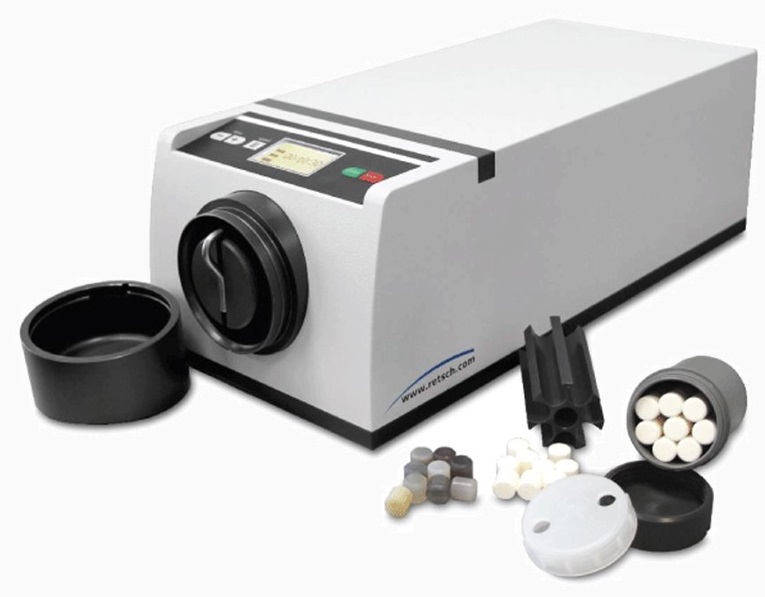
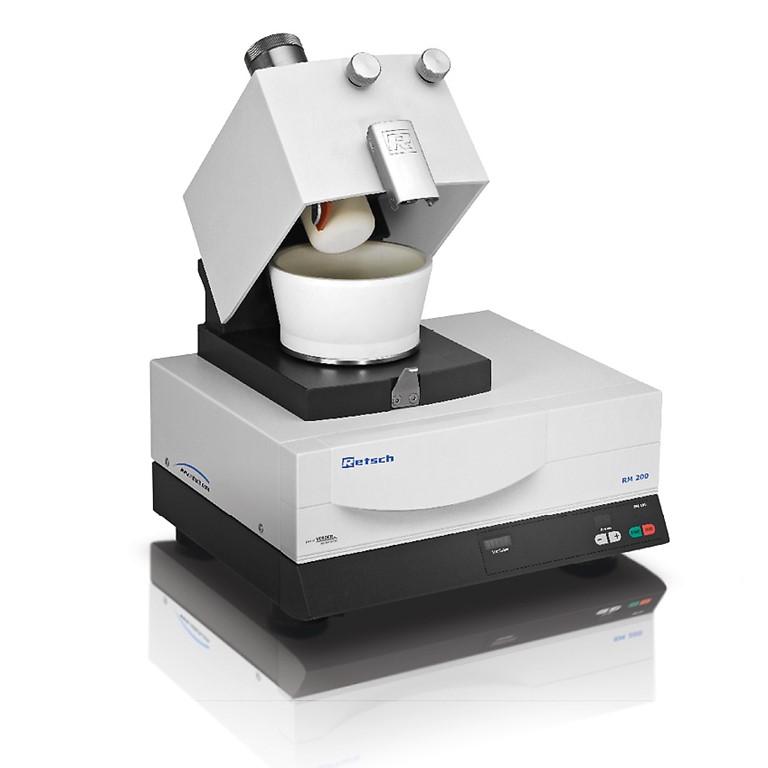
The XRD-Mill McCrone was specially developed for the preparation of samples for subsequent X-ray diffraction (XRD). The mill is used for applications in geology, chemistry, mineralogy and materials science, quality control as well as R&D.
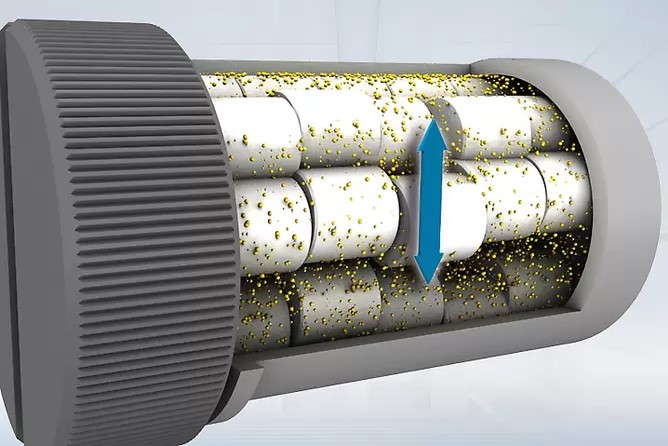
Because of its unique grinding motion, the XRD-Mill McCrone is particularly effective for this analytical method: The 48 cylindrical grinding elements grind the samples gently via friction. The result is a short grinding time with almost no sample loss and an exceptionally narrow particle size distribution. Consequently, the signals in the X-ray diffraction pattern are peak-shaped, with small half-widths, allowing for very good phase analysis.

🟦 XRD-Mill McCrone - Sample preparation for subsequent X-ray diffraction (XRD)

The crystal lattice structure is largely preserved, with almost no defects, a prerequisite for meaningful X-ray diffraction patterns.
The grinding vessel consists of a 125 ml capacity polypropylene jar fitted with a screw capped gasketless polyethylene closure. The jar is filled with an ordered array of 48 identical cylindrical grinding elements, available in agate, zirconium oxide or corundum. The grinding time for optimum micronization is between 3 and 30 minutes. A typical sample volume is between 2 and 4 ml.
For the preparation of organic samples for a subsequent XRD examination we also offer a hand mortar and pestle made of agate.

Functional Principle

The XRD-Mill McCrone carries out size reduction mainly by friction. 48 cylindrical grinding elements are placed into the grinding jar in eight rows of six elements each.
During operation, the jar’s circular motion causes the elements to grind the sample from < 0.5 mm to the low μm-range (typically < 10 μm).
Thanks to the very gentle size reduction process, the crystal lattice of the sample is preserved. This makes the XRD-Mill McCrone the instrument of choice for the sample preparation for subsequent X-ray diffraction analysis.

Features


Applicationsgrinding, mixing and triturating, dry and wet
Field of applicationX-ray diffraction
Feed materialmedium-hard, hard, brittle, fibrous
Material feed size*< 0.5 mm
Final fineness*< 1 µm
Speed at 50 Hz (60 Hz)1,000 – 1,500 min-1 in 4 steps
No. of grinding stations1
Typical mean grinding time3 – 30 min
Dry grindingyes
Wet grindingyes
Cryogenic grindingno
Material of grinding toolsagate, zirconium oxide, corundum
Grinding jar sizes125 ml
Setting of grinding timedigital, 00:00:10 to 99:59:50
DriveDC-Motor
Drive power50 W
Electrical supply data100-240 V, 50/60 Hz
Power connection1-phase
Protection codeIP 30
Power consumption33 VA
W x H x D closed205 x 155 x 520 mm
Net weight~8.9 kg
StandardsCE

*depending on feed material and instrument configuration/settings

ΠΑΡΟΜΟΙΑ ΠΡΟΪΟΝΤΑ

Καλάθι αγορών
Scroll to Top