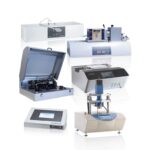
Συσκευές Mέτρησης Θερμοηλεκτρικών (Measuring Devices for Thermoelectrics)
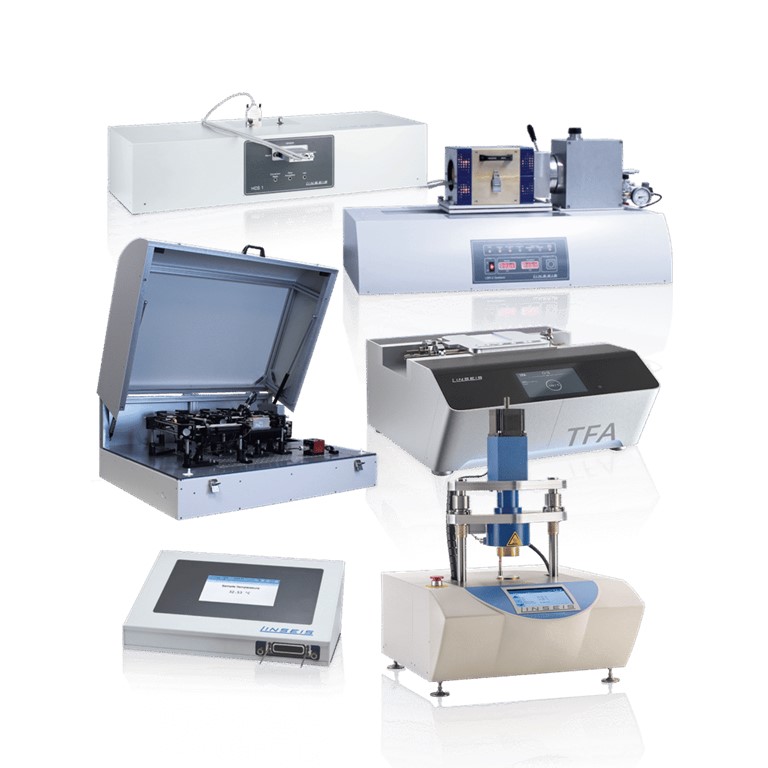
Τα συστήματα μέτρησης θερμοηλεκτρικών υλικών της LINSEIS επιτρέπουν τον ακριβή χαρακτηρισμό υλικών και διατάξεων για θερμοηλεκτρικές γεννήτριες (TEGs), στοιχεία Peltier, αισθητήρες και εφαρμογές ανάκτησης απορριπτόμενης θερμότητας.
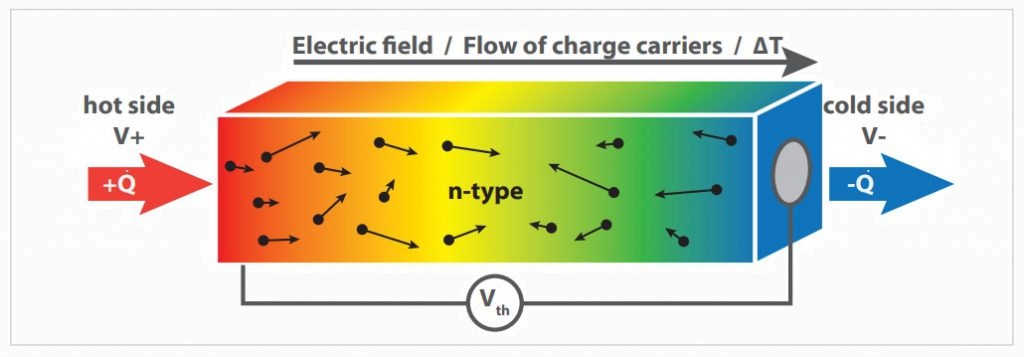
Thermoelectricity generally describes the reciprocal influence of temperature and electricity in a material and is based on three fundamental effects: the Seebeck effect, the Peltier effect, and the Thomson effect. The Seebeck effect was discovered in 1821 by Thomas J. Seebeck, a German physicist, and describes the occurrence of an electric field when a temperature gradient is applied in an electrically insulated conductor. The Seebeck coefficient (S) is defined as the quotient of negative thermoelectric voltage and temperature difference and is a purely material-specific quantity that is usually specified in the unit µV/K.
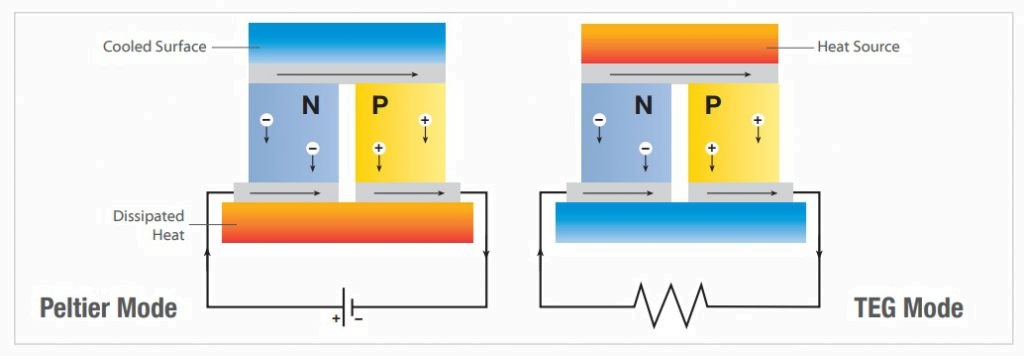
In view of the increasing scarcity of fossil fuels and the latest findings on global warming due to rising carbon dioxide emissions, the field of thermoelectricity has once again become the focus of public interest due to its effective use of waste heat. The aim is to utilize the waste heat from heat engines, such as cars or conventional power plants, by means of thermoelectric generators (TEGs) in order to increase their efficiency. However, efficient thermoelectric materials are also of great interest for cooling applications using the Peltier effect, such as the temperature control of temperature-critical components in lasers.
In the opposite case, this effect, known as the Peltier effect, causes a temperature gradient to appear when an external current is applied to the conductor. This phenomenon is due to the different energy levels of the conduction bands of the materials involved. When transferring from one material to another, the charge carriers must either absorb energy in the form of heat, causing the contact point to cool down, or they can release energy in the form of heat, causing the contact point to heat up.
The thermoelectric conversion efficiency of a material is usually compared using the dimensionless figure of merit ZT. This is calculated from the thermal conductivity, the Seebeck coefficient, and the electrical conductivity.
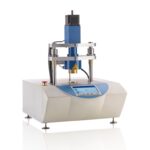
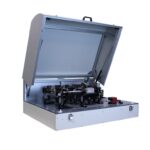
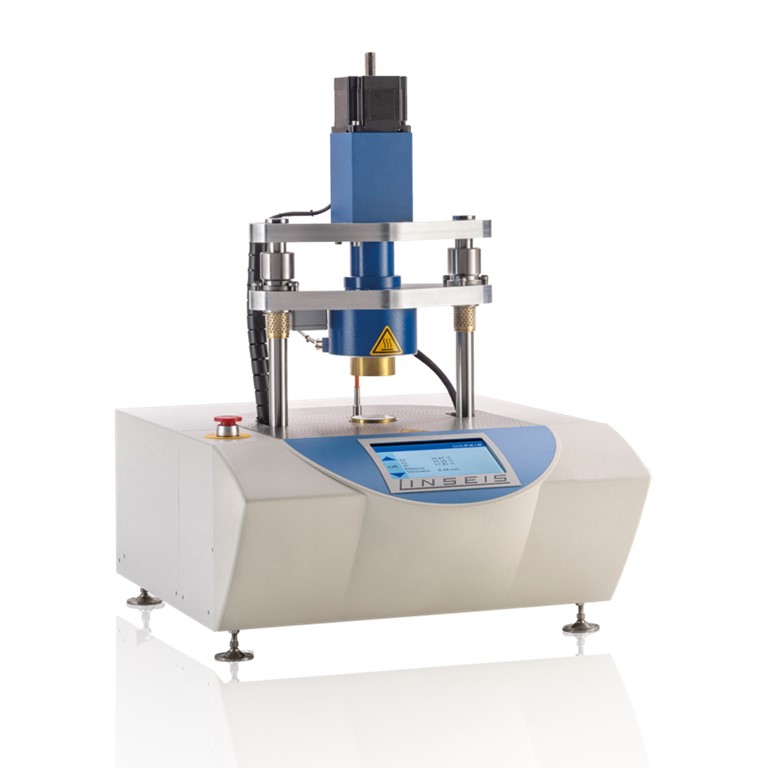
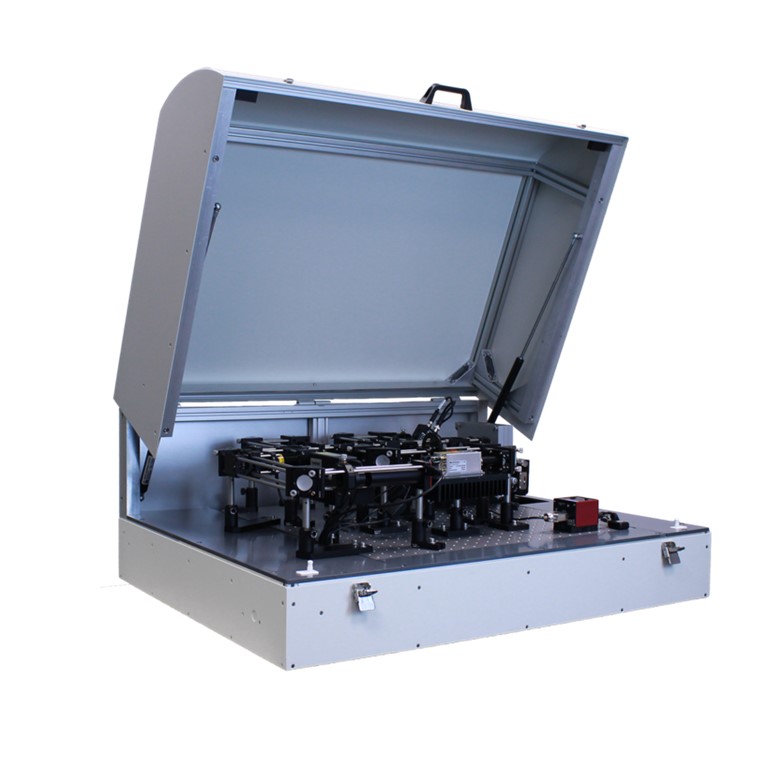
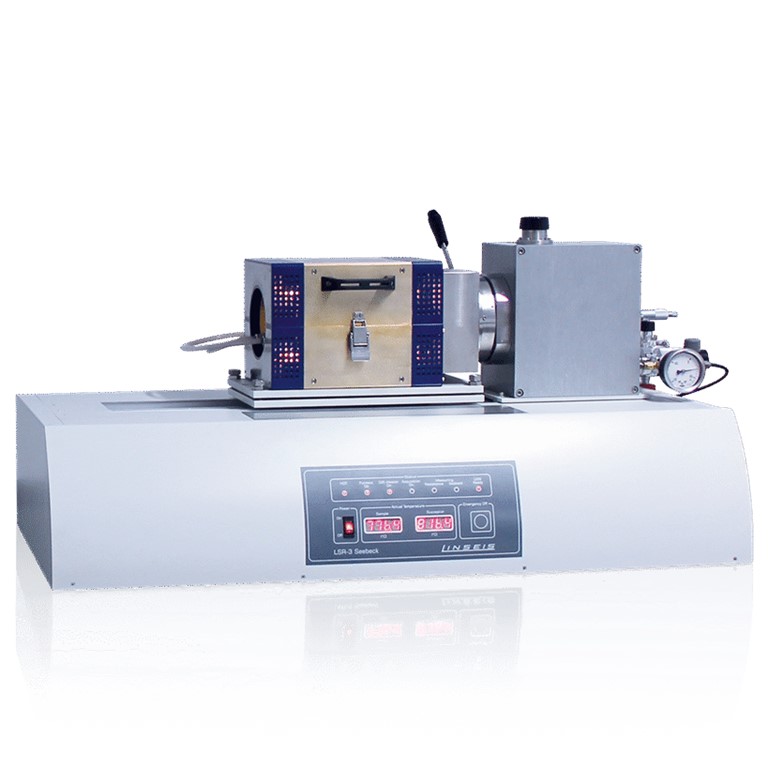
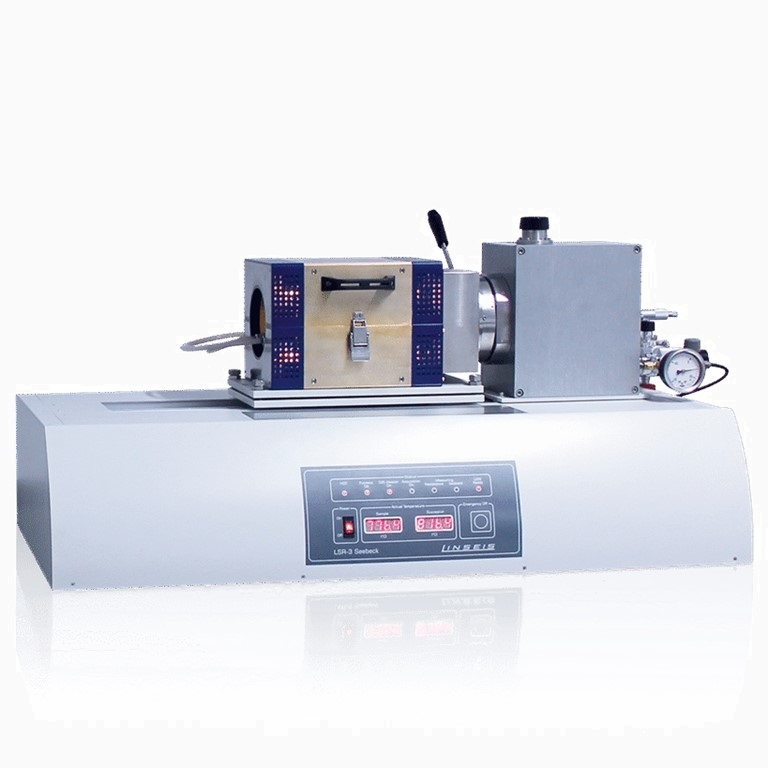
In order to support this development, an instrument for simple and extremely precise material characterization has been developed. The LINSEIS LSR-3 can determine both the Seebeck coefficient and the electrical resistance of a sample in a temperature range from –100°C to 1500°C.
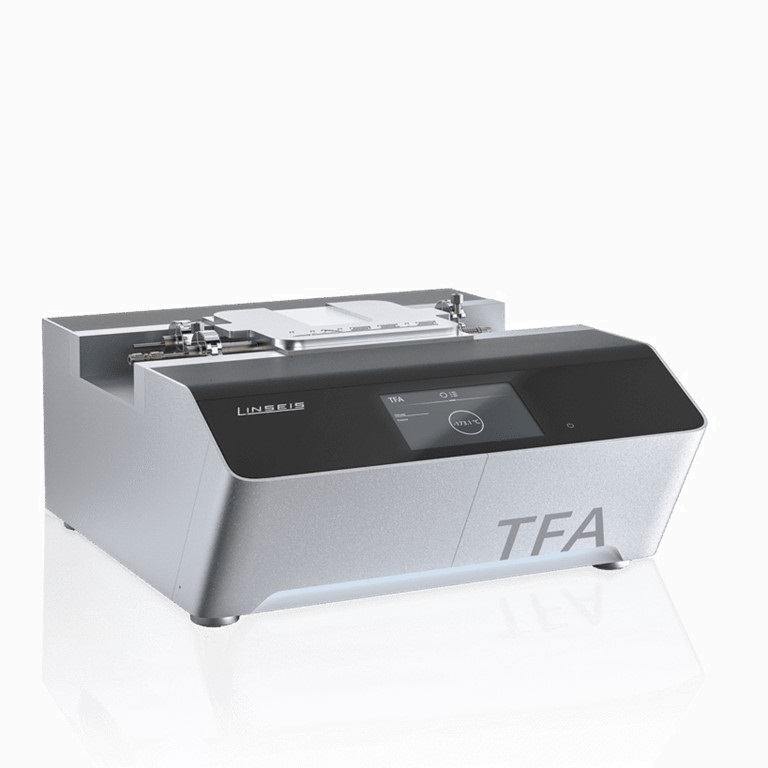
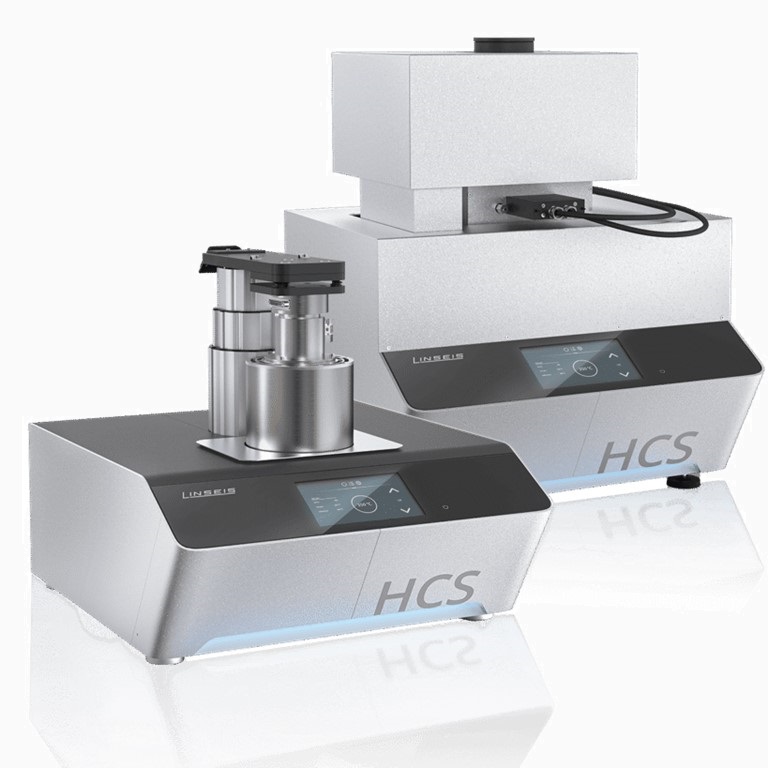
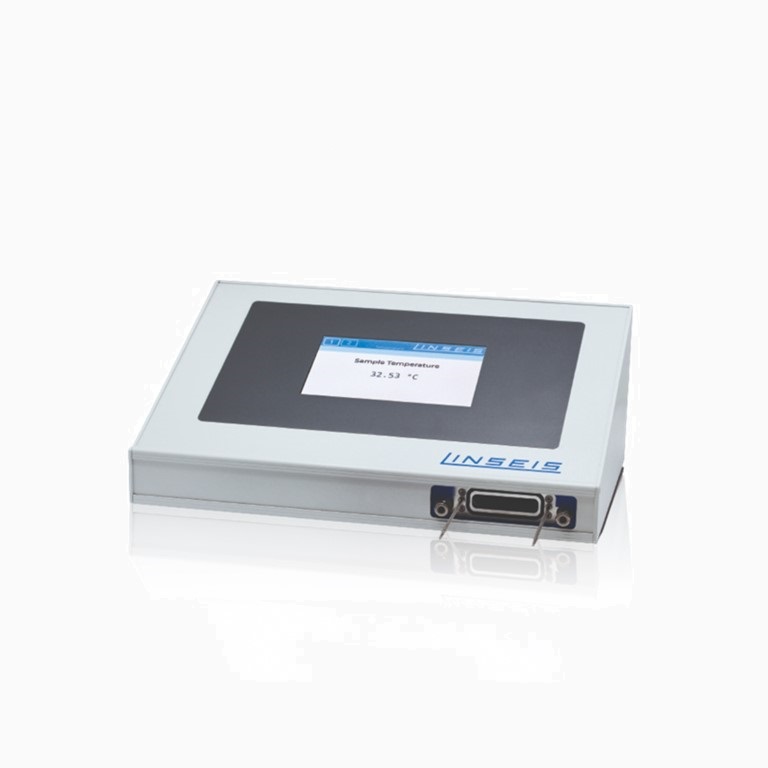
Linseis Electrical Properties Series
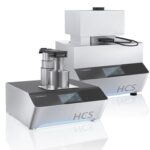
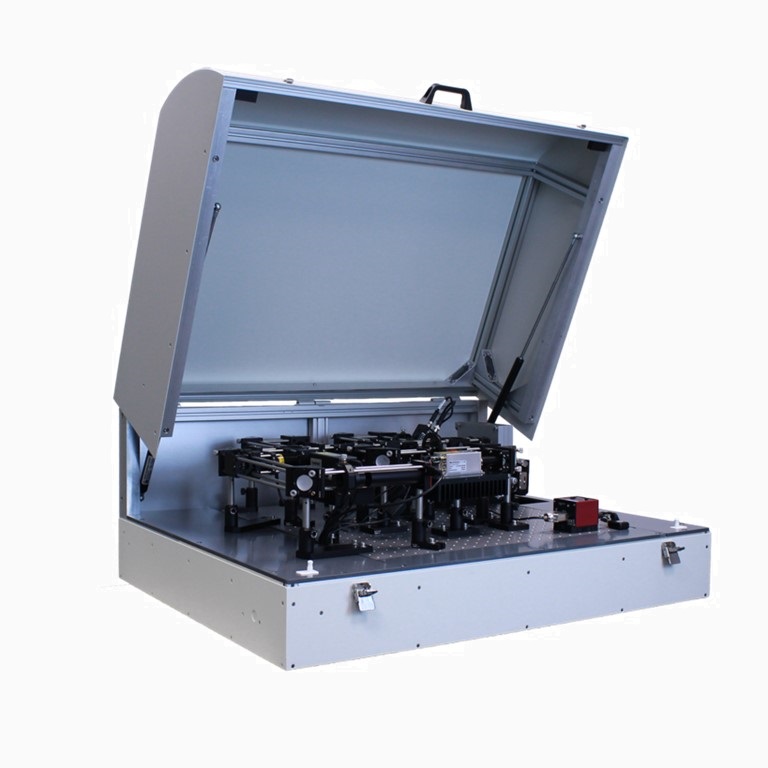
TEG-Tester (TEG L34) - Measuring devices for thermoelectric generators and Peltier elements