Ανάλυση Bαρυμετρικής Aπορρόφησης (Gravimetric Sorption Analysis – GSA)
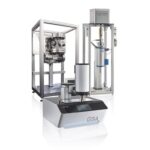
Ολοκληρωμένες λύσεις που επιτρέπουν τον ανεξάρτητο έλεγχο της πίεσης, της θερμοκρασίας και της παροχής αερίου μέσω του ενσωματωμένου λογισμικού του συστήματος.
Gravimetric Sorption Analysis
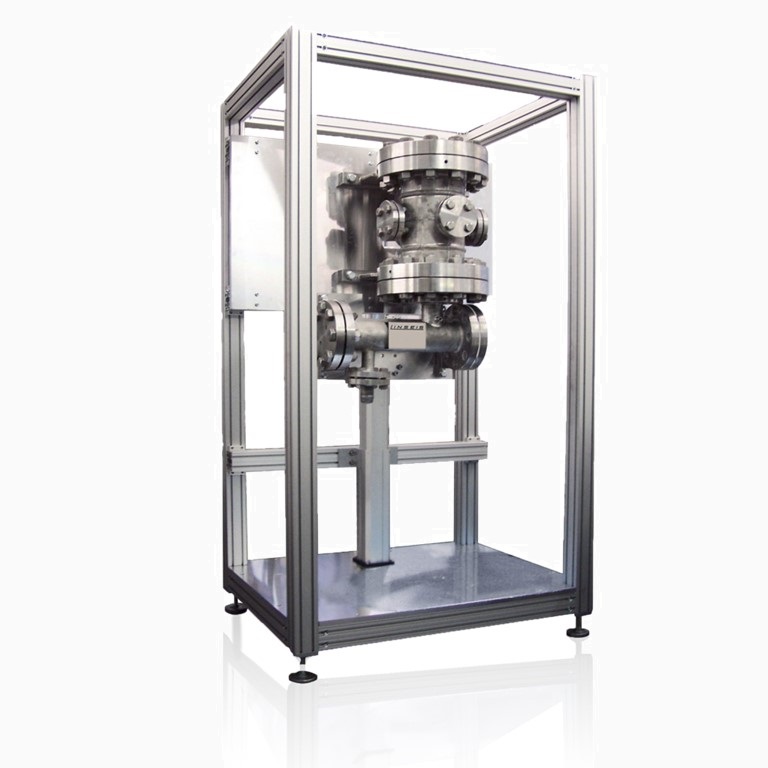
Gravimetric Sorption Analyzer from high vacuum up to 350 bar
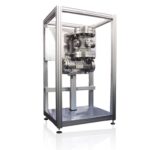
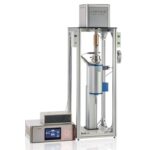
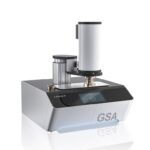
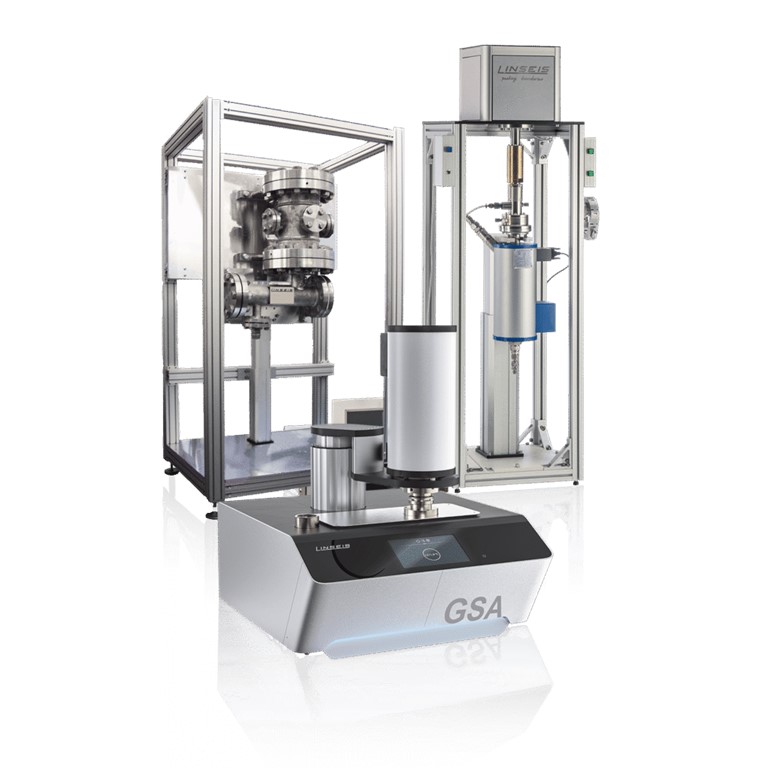
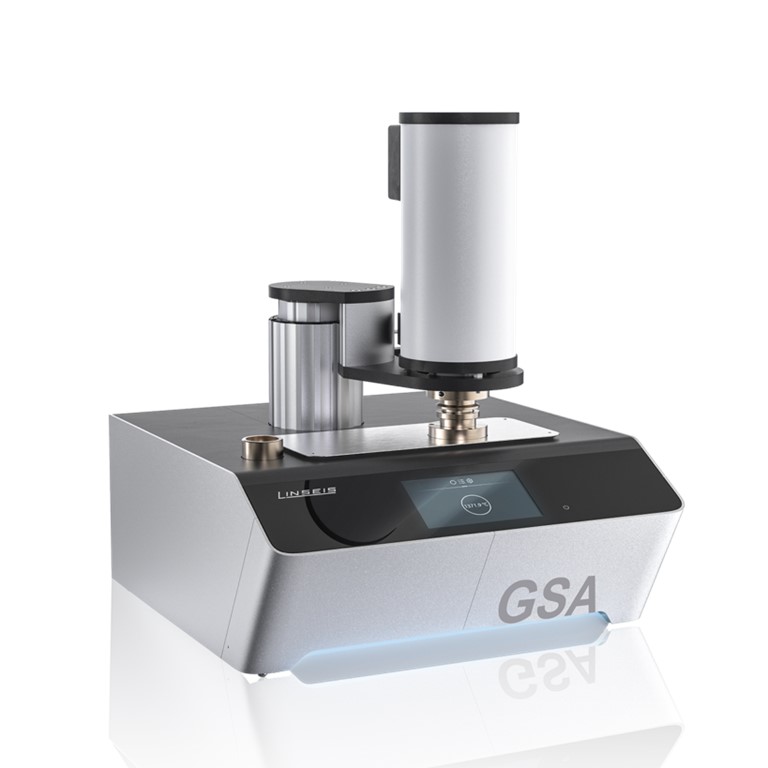
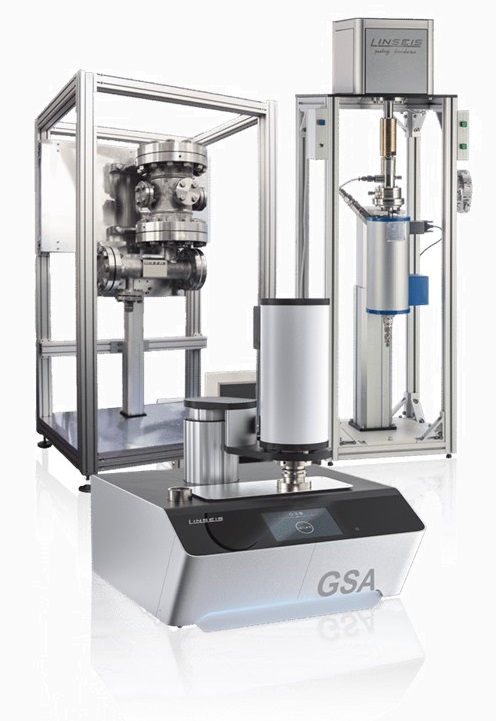
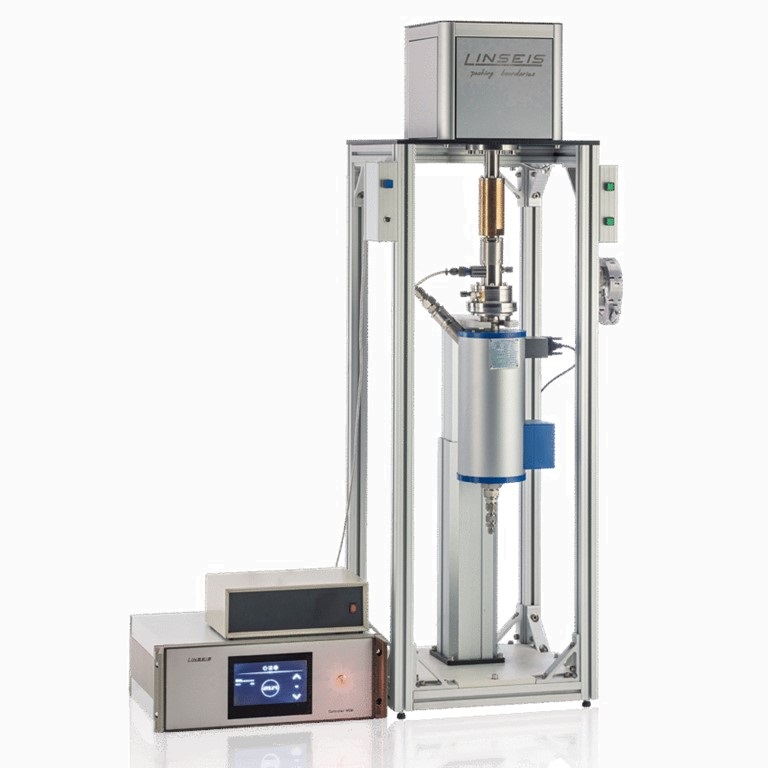
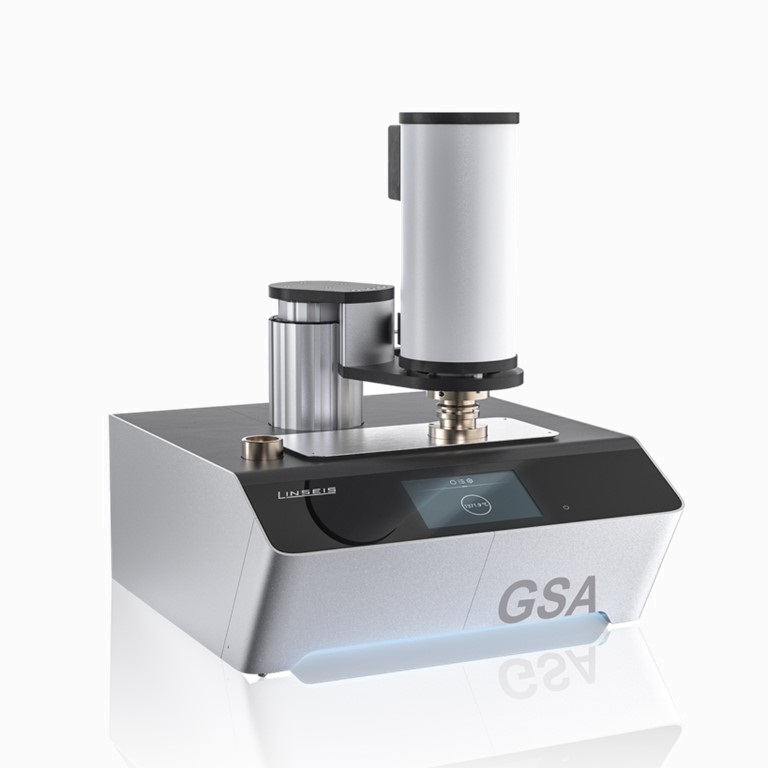
LINSEIS offers a comprehensive range of measuring devices for gravimetric sorption analysis (GSA).
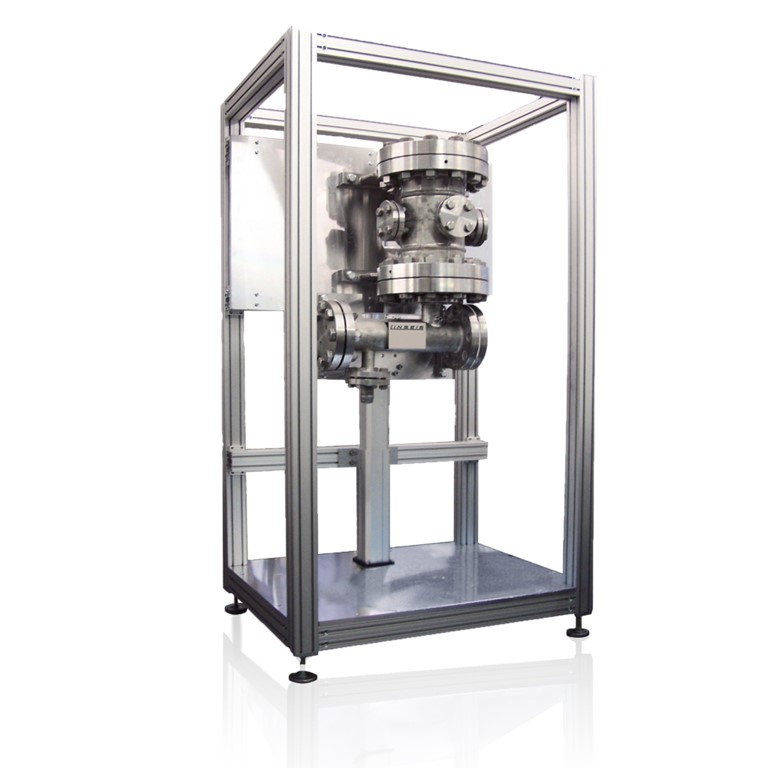
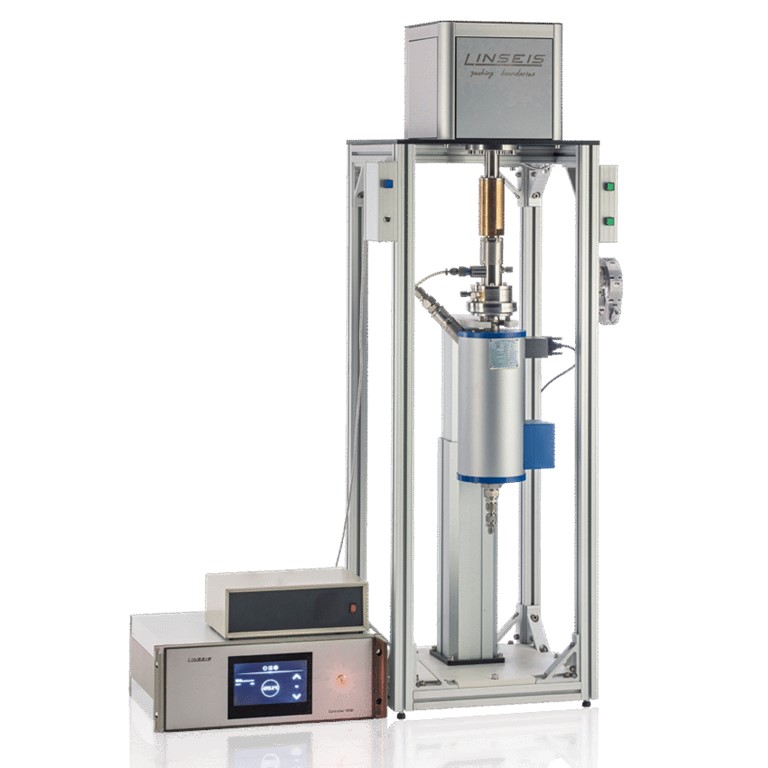
The integrated systems enable independent control of pressure, temperature, and gas dosing through the supplied software. Two load cell technologies are available: a mechanical microbalance and a magnetic levitation balance. The magnetic levitation balance features a hermetically sealed measuring cell, making it ideal for measurements with highly reactive gases.
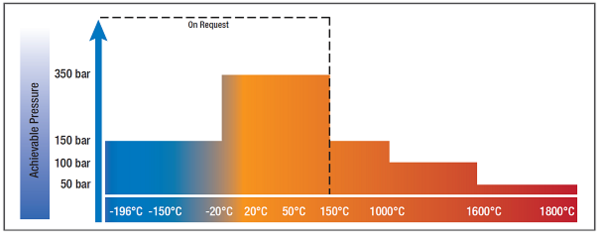
A wide selection of systems is available, covering a temperature range from –196 °C to 2400 °C and a pressure range from ultra-high vacuum up to 350 bar.
An optional TG-DSC (Thermogravimetry – Differential Scanning Calorimetry) measuring head enables the simultaneous determination of weight changes and caloric reactions in a single measurement.
LINSEIS offers one of the widest ranges of sorption analyzers for applications including:
➡️ Chemisorption and physisorption (UHV up to 350 bar)
➡️ Adsorption isotherm measurements
➡️ TPD, TPO, and TPR measurements (–196 °C to 1800 °C)
➡️ Sorption enthalpy determination using the simultaneous TG/DSC sensor
➡️ In-situ gas analysis with FTIR, Raman, and mass spectrometry (MS)
➡️ Measurements in corrosive atmospheres using a magnetic levitation balance
Linseis GSA-Series
Gravimetric sorption
The adsorption and desorption of various gases by materials such as catalysts and porous structures is a common application for thermobalances. In general, there are two methods for monitoring these processes: volumetric sorption, where a defined amount of gas is introduced into a sample chamber and the resulting pressure change is measured, and gravimetric sorption, where the change in sample mass is analyzed.
The LINSEIS thermobalance series uses the gravimetric sorption principle, made possible by high-resolution load cells capable of detecting extremely small mass changes over a wide pressure range. This enables the precise analysis of the adsorption and desorption behavior of a wide variety of materials in a temperature range from –196 °C to 2400 °C and a pressure range from 0.01 mbar to 350 bar.
Gravimetric sorption offers several advantages. When equipped with a DSC measuring system, the instrument can simultaneously determine the sorption enthalpy during the measurement, providing valuable additional information about the adsorption process.
Another important advantage is the flexibility of the measuring systems and sample volumes, which can range from a few milligrams to several grams using different sample holders.
Gravimetric sorption is a simple, fast, and flexible method for obtaining information about gas adsorption. Although it does not yet achieve the same accuracy as volumetric sorption, it offers significant advantages in terms of ease of use, measurement speed, and application versatility.
Areas of application:
🔵 Gas sorption analysis
🔵 Sorption enthalpy determination (simultaneous TG/DSC sensor)
🔵 Density determination
🔵 Gas storage characterization
🔵 Zeolite analysis
🔵 Catalyst characterization
🔵 In-situ gas analysis (FTIR, Raman, MS)
🔵 Kinetic analysis
🔵 Measurements in corrosive atmospheres using a magnetic suspension balance
🔵 Adsorption isotherm measurements (BET surface analysis)
🔵 TPD, TPO, and TPR measurements (–196 °C to 1800 °C)
FTIR Coupling for GSA
All LINSEIS gravimetric sorption systems can be coupled with additional analysis tools such as FTIR.
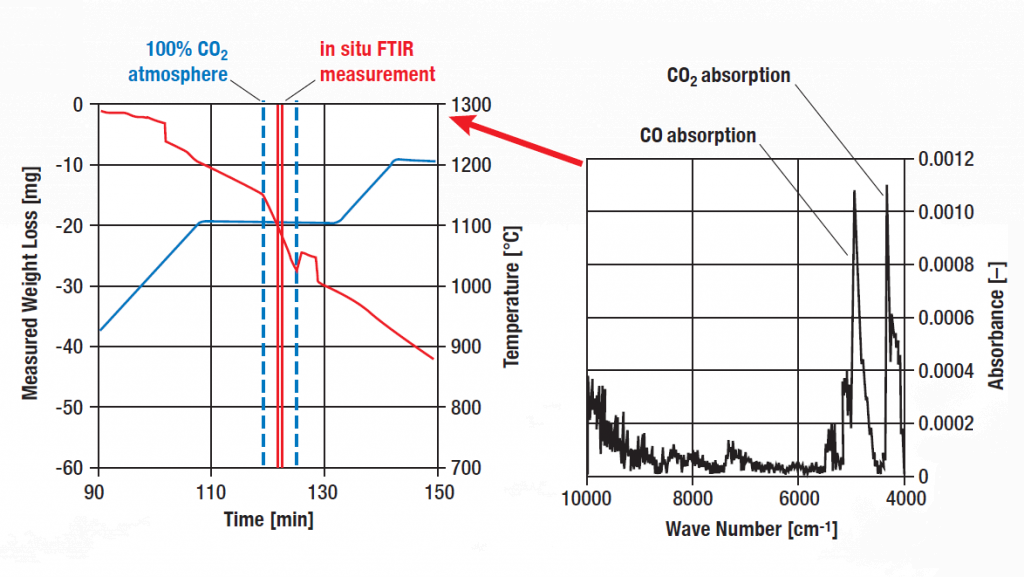
In the experiment, a charcoal sample was gasified in a CO₂ atmosphere. For this purpose, the charcoal sample was placed in the device and the temperature was increased at constant CO₂ pressure. During an isothermal segment at 1100°C, an enormous mass loss was observed, symbolizing the gasification of the bound carbon (according to the equation C + CO₂ → 2CO).
The graph shows the in-situ FTIR measurement during the gasification of coal in a TGA system. (Sample temperature: 1100°C, pure CO₂ atmosphere at a gas flow rate of 20 ml/min at 273 K, 0.013 bar.)
The FTIR measurement was performed during the main mass loss step for 30 s.
The CO and CO₂ signals are clearly visible in the IR spectrum, which proves the release of CO gas during mass loss.