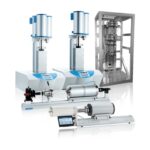
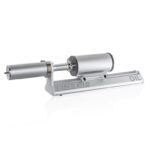
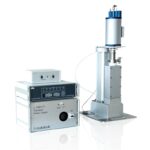
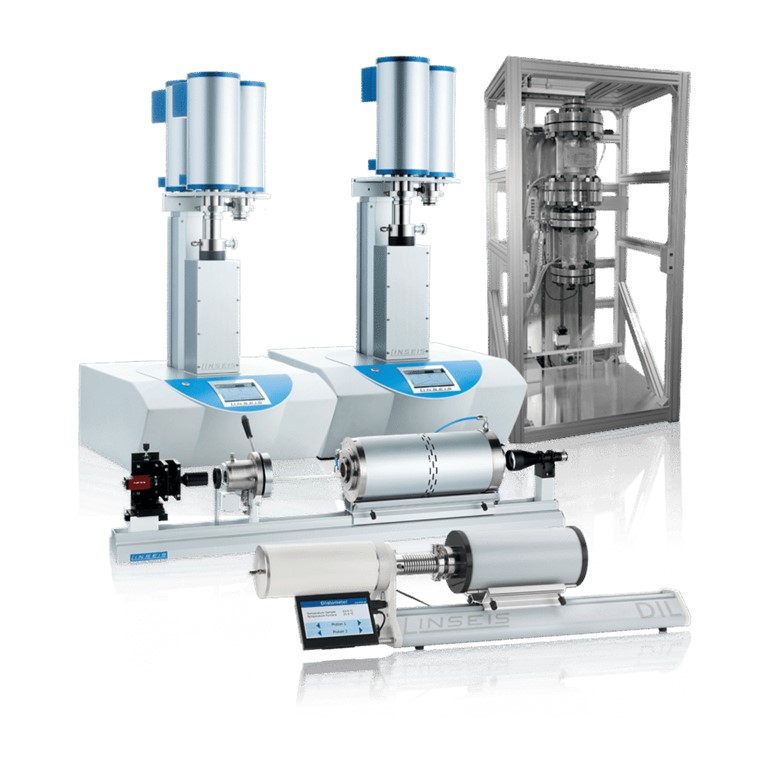
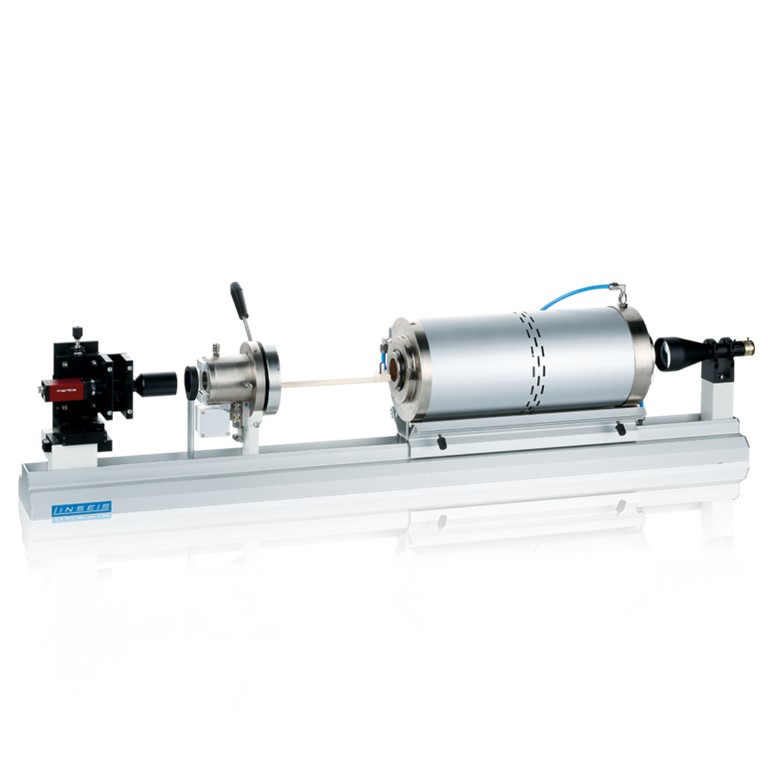
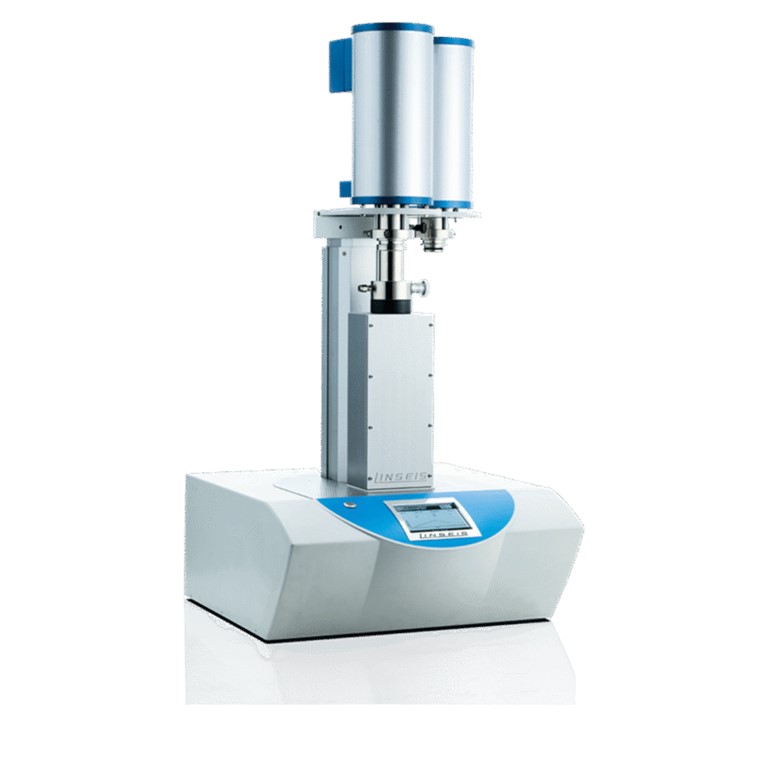
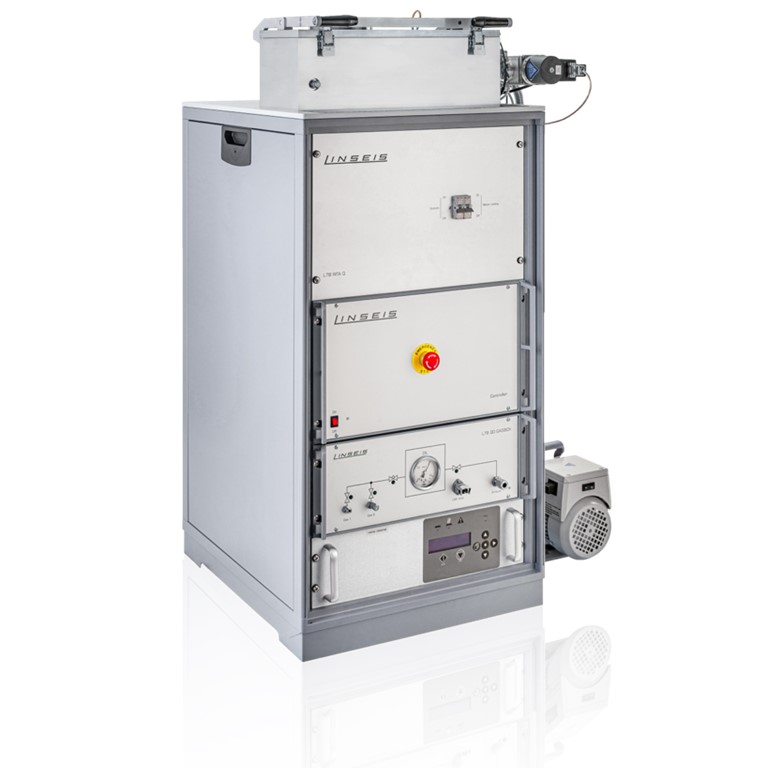
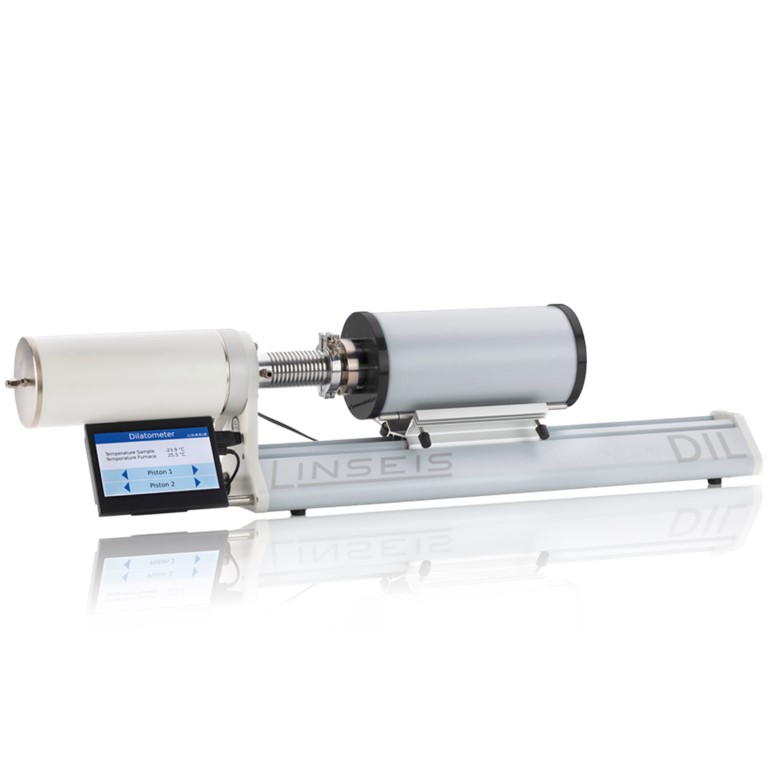
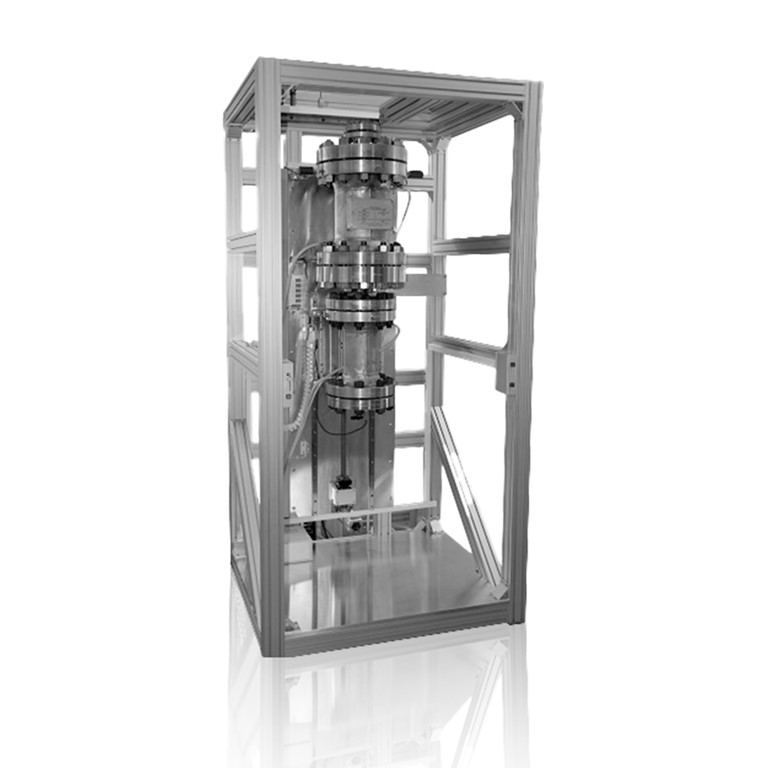
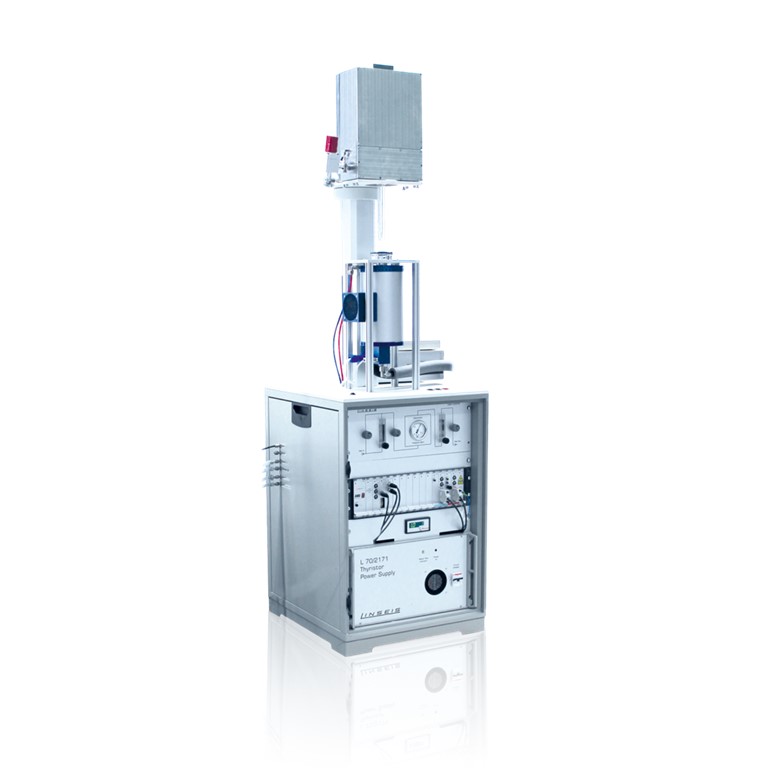
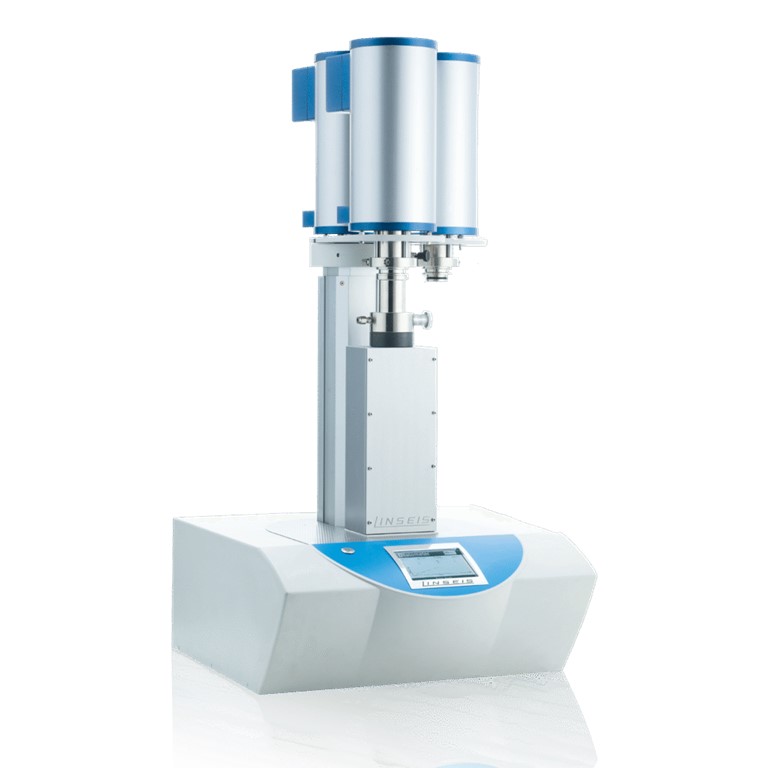
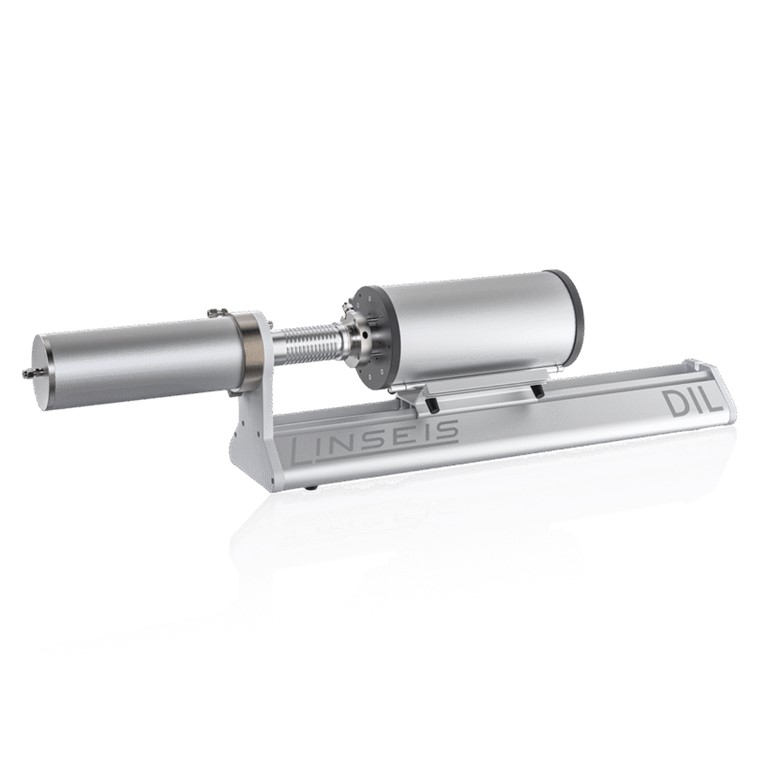
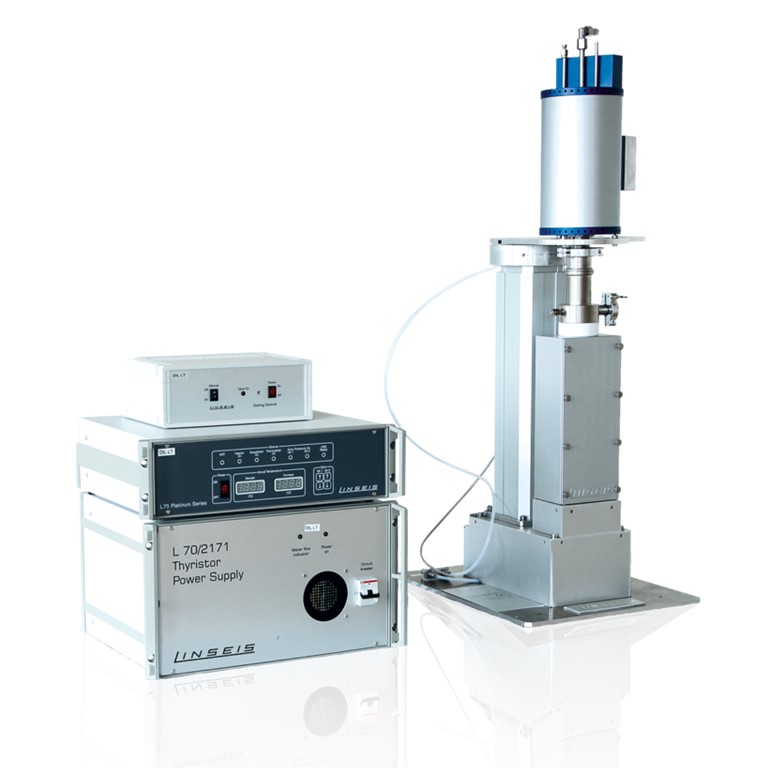
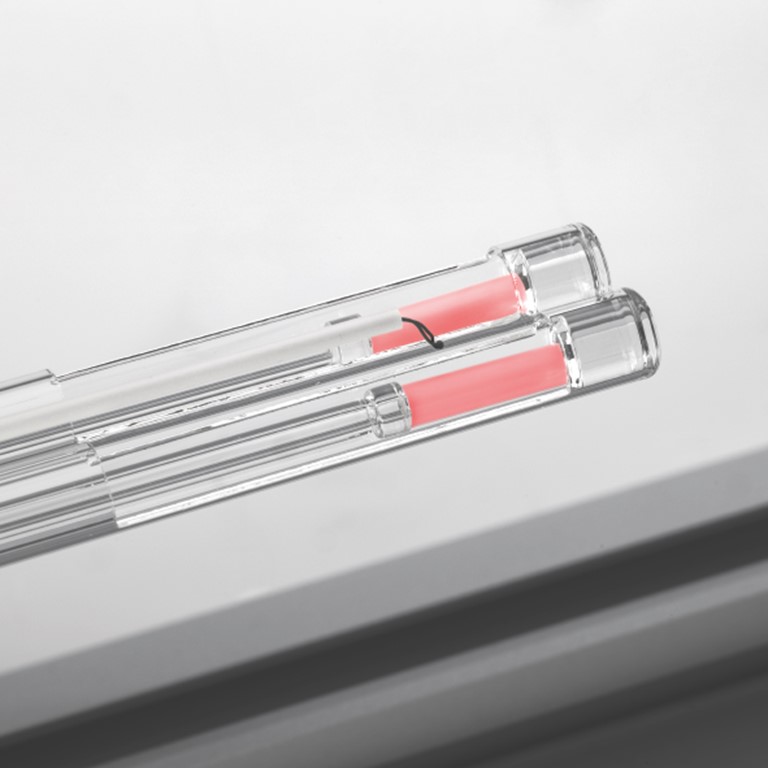
Τα διαστολόμετρα LINSEIS (DIL) είναι όργανα υψηλής ακρίβειας για τη μέτρηση της θερμικής διαστολής υλικών. Επιτρέπουν τον ακριβή προσδιορισμό μεταβολών διαστάσεων υπό ελεγχόμενες θερμοκρασιακές συνθήκες, υποστηρίζοντας εφαρμογές χαρακτηρισμού υλικών, ποιοτικούελέγχου και έρευνας.
Precise measurement of the thermal expansion of materials
LINSEISDilatometers (DIL) enable the precise determination of thermal linear expansion in solids, powders, and other materials under controlled temperature conditions. Through the accurate detection of dimensional changes, phase transitions, sintering processes, and other thermophysical properties can be reliably analyzed, making dilatometry an essential tool for research, quality control, and material development.
Developed for a wide range of applications, LINSEISdilatometers are available from compact laboratory instruments to high-temperature systems for advanced research and industrial environments. Suitable for metals, ceramics, glasses, polymers, and composite materials, these systems provide reproducible, standards-compliant, and high-precision results in accordance with international standards including ASTM, ISO, and DIN specifications.
Dilatometry is one of the most important methods for determining the thermal linear expansion of materials, providing essential information on phase transitions, sintering processes, glass transition temperatures, and structural changes under the influence of temperature. Since 1957, LINSEIShas developed one of the world’s most comprehensive dilatometer portfolios, enabling high-precision, automated length-change measurements of solids, powders, pastes, and liquids across an ultra-wide temperature range from –263 °C to 2800 °C
The Top Dilatometers for Maximum Precision
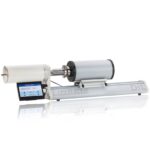
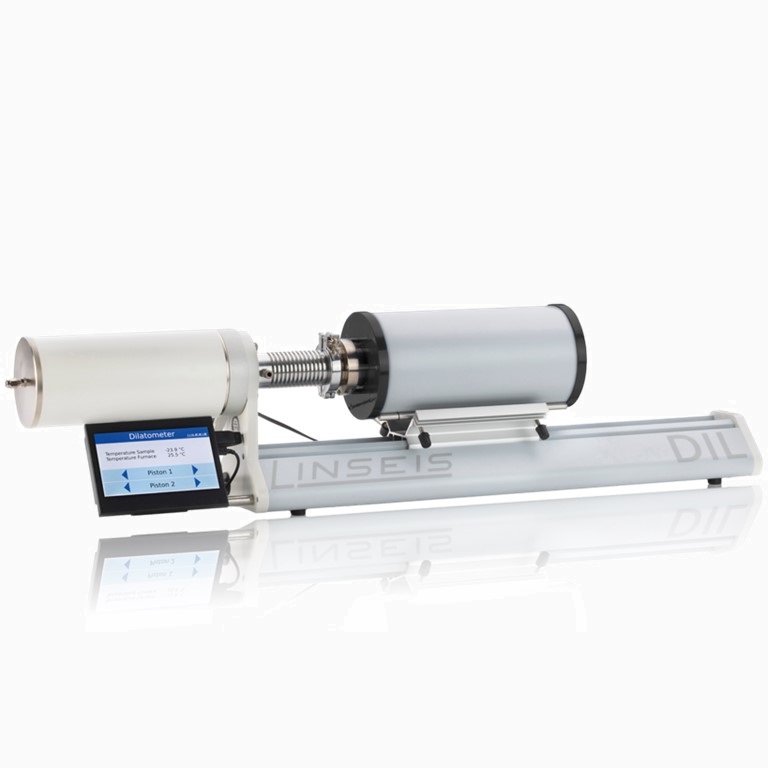
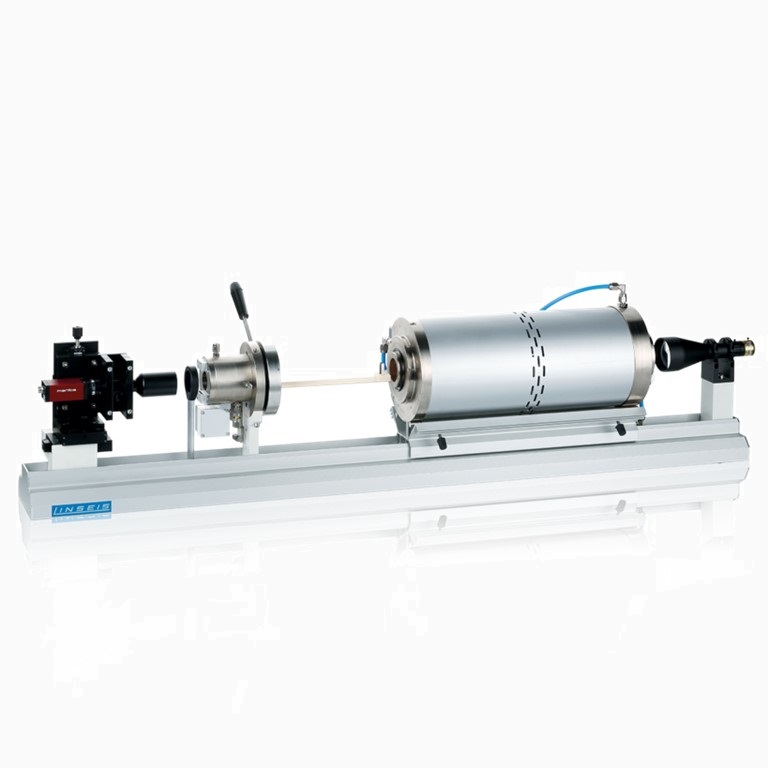
DIL L75 - Horizontal dilatometer for research applications
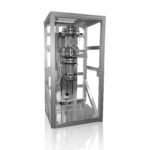
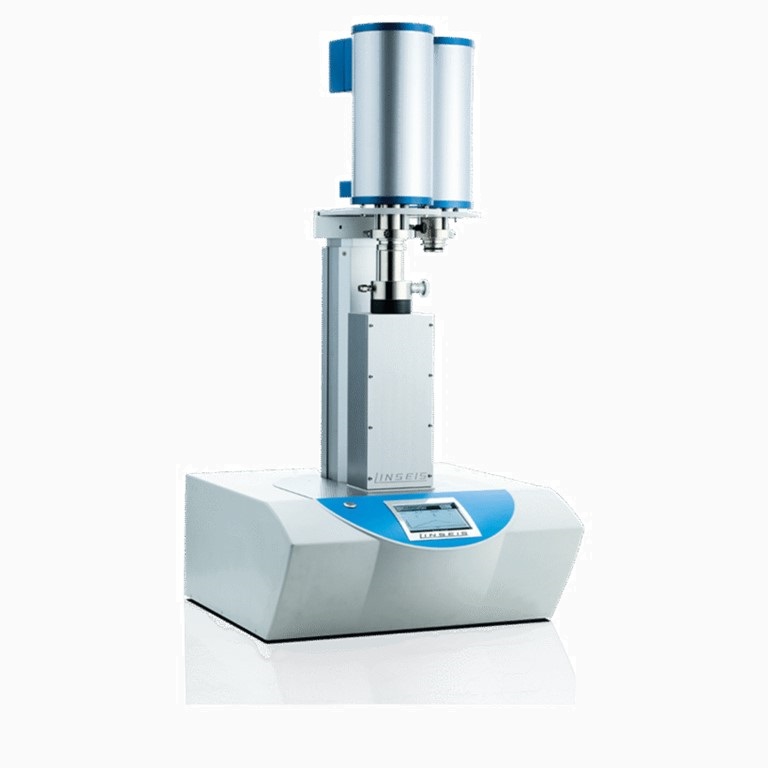
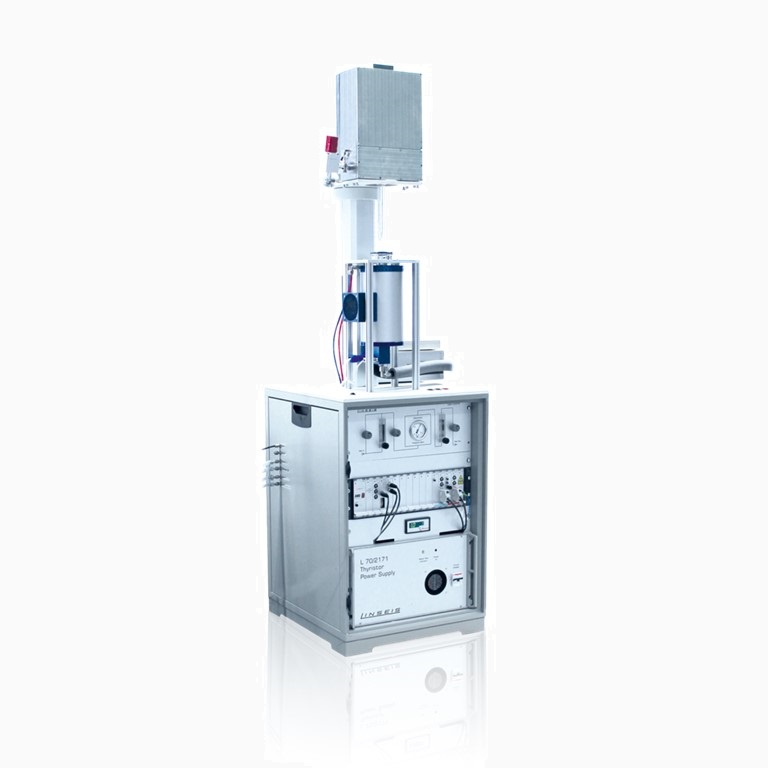
DIL L75 - Vertical dilatometer for research applications
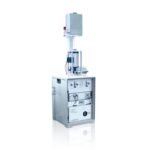
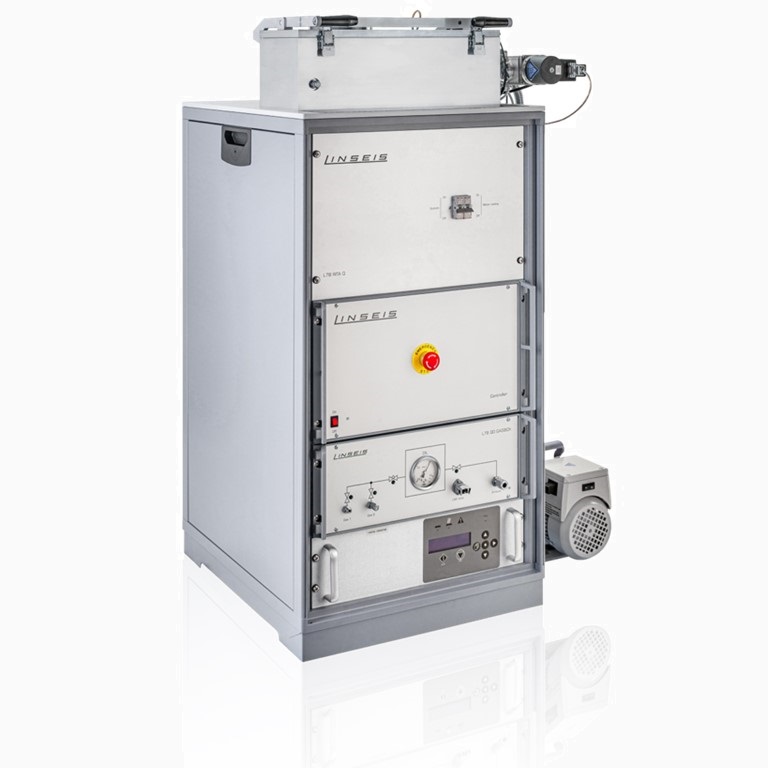
DIL L78 RITA - Quenching and deformation dilatometer / TTT- CCT- CHT diagrams
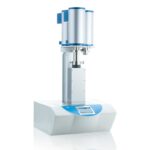
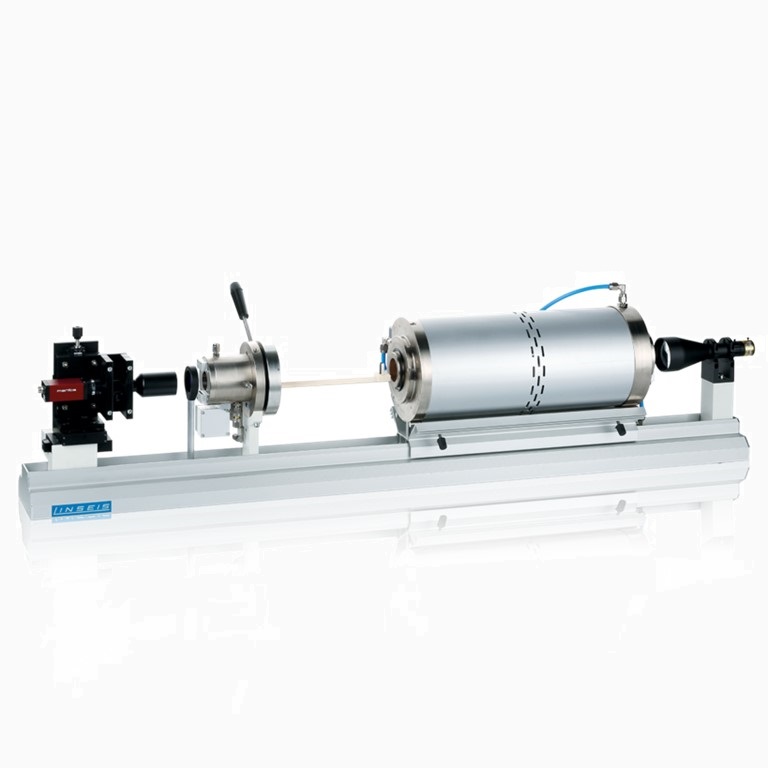
DIL L74 OD - Optical non-contact dilatometer – CTE expansion measurement
Dilatometer variants and design principles
☑️ Horizontal alignment
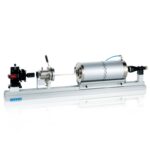
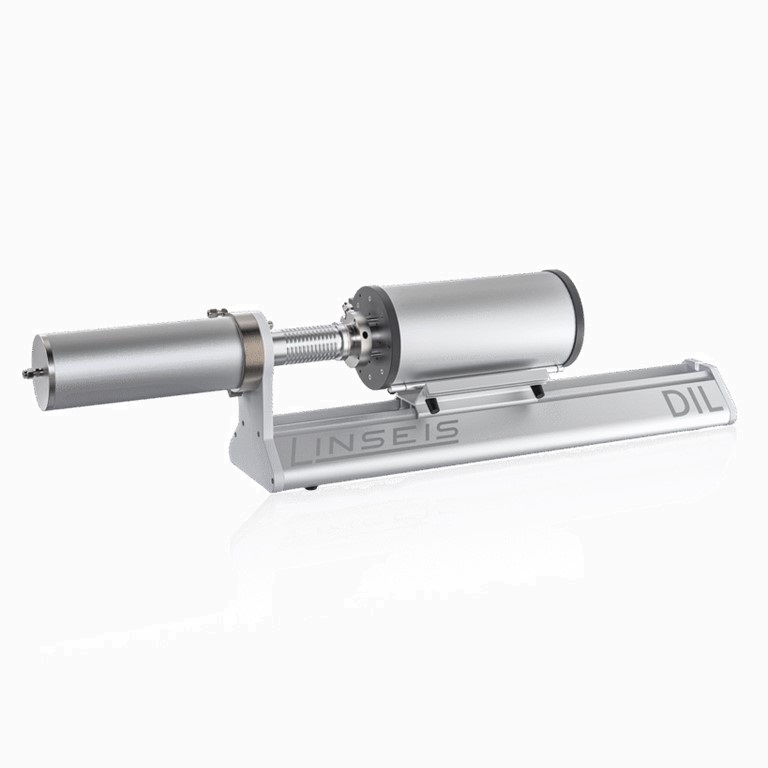
Horizontal dilatometers are characterized by a simple, robust design and an attractive price-performance ratio. They are the ideal choice for the medium temperature range and enable convenient sample handling and quick sample changes. In addition, tailor-made systems for larger samples can be implemented to cover special applications or unusual geometries.
Horizontal design
☑️ Vertical alignment
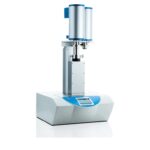
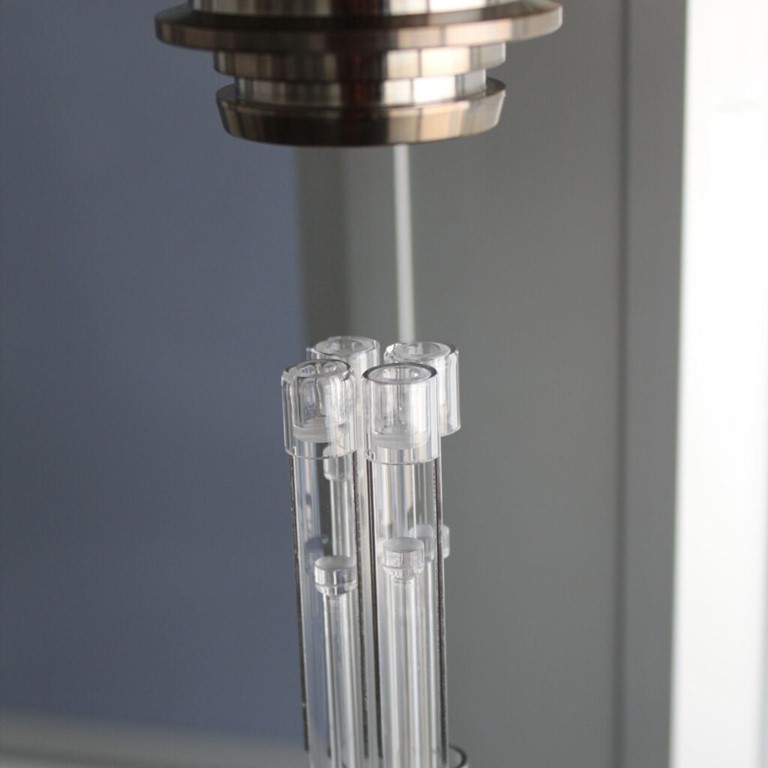
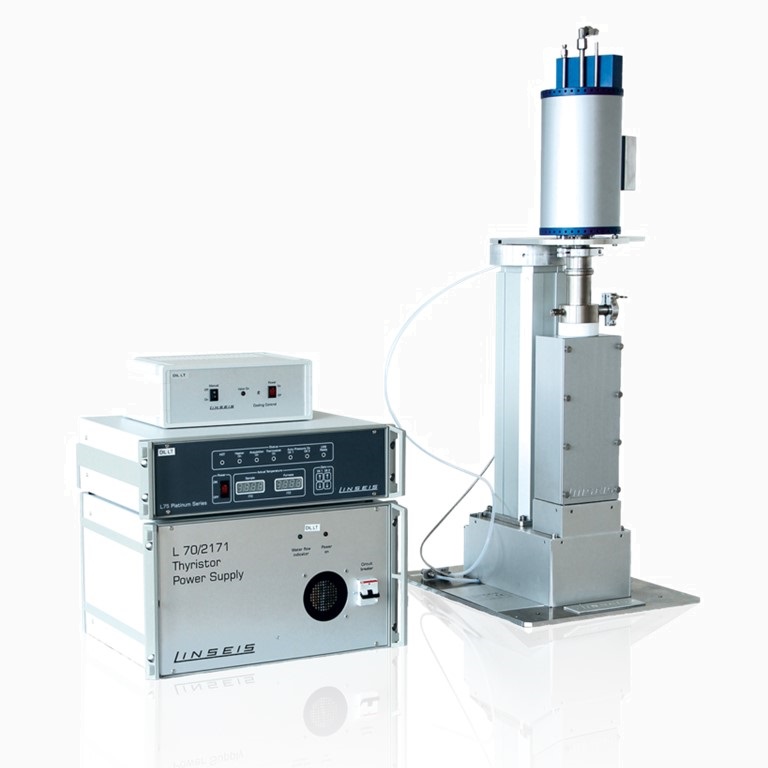
Vertically aligned dilatometers work according to the zero-friction principle, in which the sample is in contact only with the end stop and the push rod – for maximum measuring precision without mechanical friction losses. Depending on the configuration, up to three furnaces can be integrated to cover the entire temperature range from -180 °C to 2800 °C. This makes vertical systems suitable for both low and extremely high temperatures.
Another advantage is the increased sample throughput: A hot oven can be started up automatically while a cold oven is already ready for the next measurement – this significantly speeds up the changeover process.
Vertical design
The orientation of the oven can be adjusted depending on the application:
At low temperatures, the stove is located at the bottom (measuring compartment at the top) to ensure optimum gas access, as cold air falls downwards.
At high temperatures, the oven is positioned at the top (measuring chamber at the bottom) so that hot air flows upwards and the sensor area remains thermally relieved.
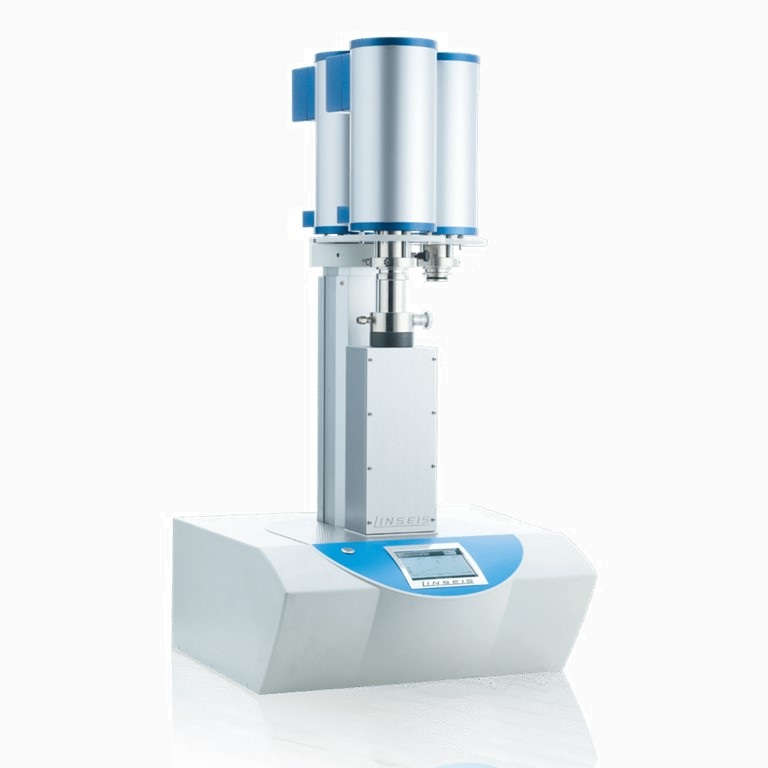
Vertical systems also offer a small footprint and minimal laboratory space requirements. They are available in different versions – as single, differential/double or quattro dilatometers to measure one, two or four samples simultaneously.
Why Linseis – The difference in dilatometry
LINSEIShas been setting standards in dilatometry for decades. The systems combine maximum precision, modular flexibility, and technical innovation to deliver reliable results for research, development, and quality assurance.
1. Zero-Friction Vertical Dilatometer The vertical design with frictionless sample mounting (zero-friction design) ensures maximum measuring accuracy, even at temperatures up to 2800 °C. The measuring system remains thermally stable, outgassing is efficiently dissipated, and results remain reproducible over the long term.
2. Multi-Furnace and Quattro System With up to three combinable furnaces and four simultaneously measurable samples, LINSEISdilatometers provide maximum flexibility and high productivity. This unique combination significantly increases throughput, making it ideal for series measurements, material comparisons, and process optimization.
3. Hybrid Measuring Systems and Michelson Interferometers Whether using classic push-rod dilatometry or high-resolution laser technology, LINSEIScovers all major measuring principles. The combination of LVDT and optical encoder technology enables absolute, low-maintenance measurements without reference materials, providing a unique advantage in the market.
☑️ Long-Term Investment with Added Value
The focus is not only on precision, but also on sustainable added value throughout the entire lifecycle. These systems offer some of the lowest operating costs in their class thanks to durable, low-maintenance components, a robust design, and intelligent software maintenance.
Fewer service calls, shorter downtimes, and continuous remote updates ensure maximum system availability and future-proof operation — for decades to come.
☑️ Customized Solutions – Flexibility as Standard
Every measuring task is unique – which is why systems are not limited to standard configurations, but can be precisely tailored to specific applications. Whether a special furnace, custom sensor technology, an extended temperature range, or customer-specific software integration, solutions can be adapted to match exact requirements.
With a modular product architecture, customization becomes standard – delivering fast, precise, and reliable solutions for even the most demanding applications.
☑️ Technological Pioneers and Innovation Since 1957
LINSEIShas been a technological pioneer in thermal analysis for more than six decades. With one of the highest in-house production rates in the industry and an excellent R&D department, systems are developed that continuously set new standards in precision, stability, and adaptability.
From the mechanical design and electronics to the software, every core system component is developed in-house, ensuring technologically advanced, high-performance, and uncompromisingly precise measurement technology Made in Germany 🇩🇪.
☑️ Software Expertise at the Highest Level
With the newLiEAP software suite, LINSEISis redefining the standard in thermal analysis. Modular in design, intuitive to use, and equipped with state-of-the-art evaluation and remote functions, it ensures maximum efficiency, transparency, and control at every step of the process.
Areas of application of dilatometry
Aerospace
Elastomers
Inorganic chemicals and products
Ceramics
Electronics and other electronic products
Metallic products
Composites
Glass products
Polymers
All dilatometers at a glance
DIL L76 Horizontal - Robust and affordable dilatometer for beginners
DIL L75 - Nuclear Vertical nuclear dilatometer for research applications
DIL L74 HM - Heating microscope – Contact angle measuring device (-100°C to 2000°C) with vacuum-tight sample chamber
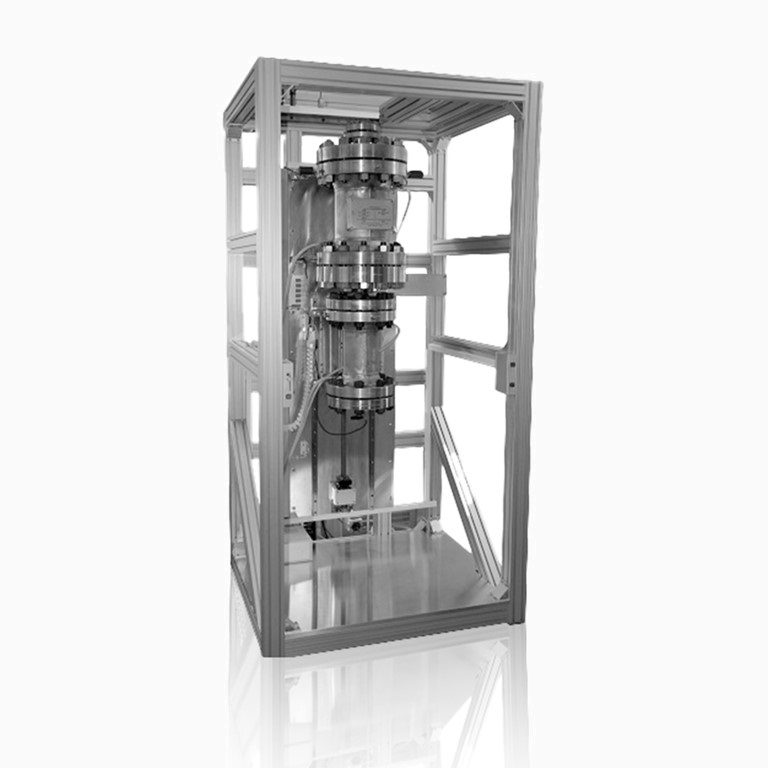
DIL L75 HP High pressure (DIL HP L70) - Length change under pressure
DIL L73 - Laser dilatometer for maximum precision
DIL L75 Quattro - Multiple-sample dilatometers – for high sample throughput