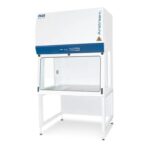
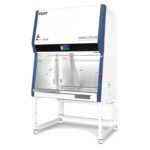
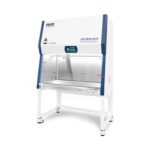
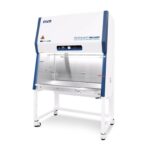




Θάλαμοι Βιολογικής Ασφάλειας
Θάλαμοι βιολογικής ασφάλειας για τον χειρισμό δυνητικά μολυσματικών βιολογικών δειγμάτων και εφαρμογές που απαιτούν προστατευμένο χώρο εργασίας.

Περιγραφή

Biological Safety Cabinets (BSC)

Reliable Protection for Safe Biological Sample Handling

Biological Safety Cabinets (BSCs) are designed for handling pathogenic biological samples and applications requiring a sterile work zone. 

Inflow and downflow air provide operator protection, while ULPA/HEPA-filtered downflow creates an ISO Class 3 work zone to protect samples from cross-contamination. Exhaust air is also ULPA/HEPA-filtered before release to protect the environment.

Esco BSCs offer a wide range of configurations, including work trays, side panel options, and accessories, with ergonomic and energy–saving features. To ensure optimum performance, they are tested and classified according to EN 12469:2000 and NSF 49.

EN 12469:2000, Biotechnology — Performance Criteria for Microbiological Safety Cabinets, is a European standard published by CEN (European Committee for Standardization). It classifies biological safety cabinets into Class I, Class II, and Class III.

The NSF International Biological Safety Cabinetry Program was initiated in the 1970s at the request of regulatory organizations, including the Centers for Disease Control (CDC), National Institutes of Health (NIH), and National Cancer Institute (NCI). NSF 49 further classifies Class II biological safety cabinets according to their air circulation systems: Type A1, Type A2, Type B1, and Type B2.

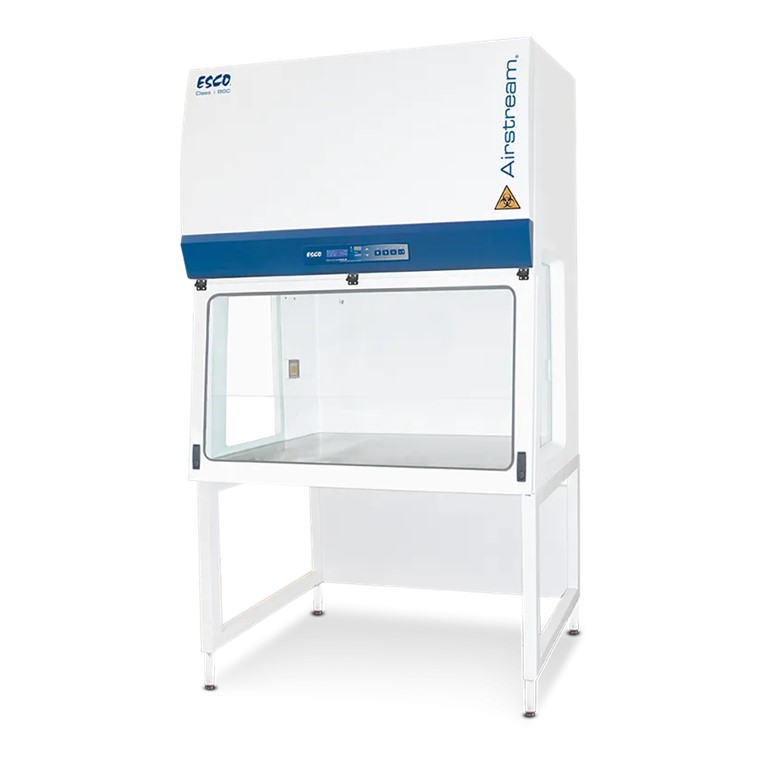
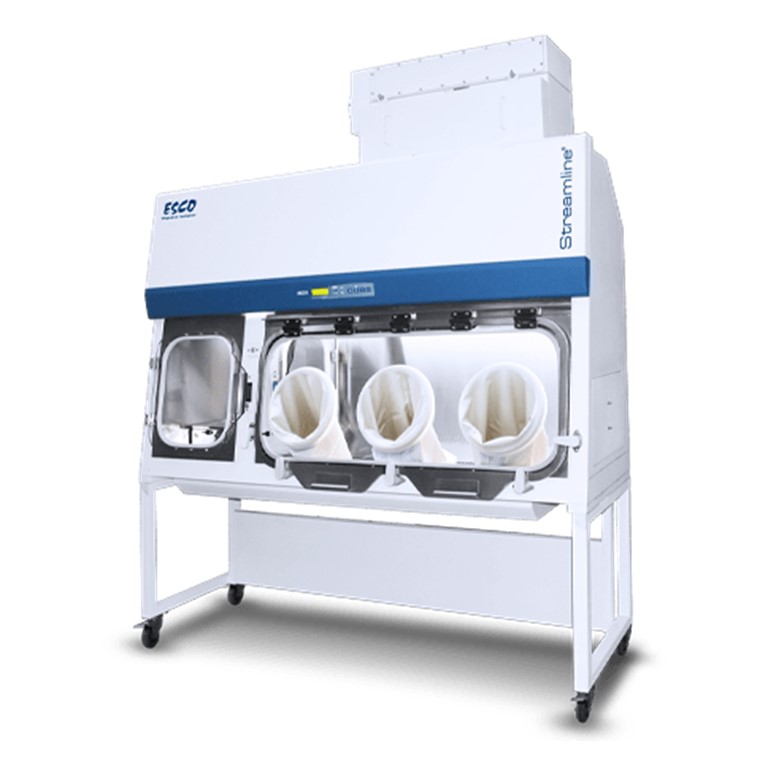
Class I Biological Safety Cabinet

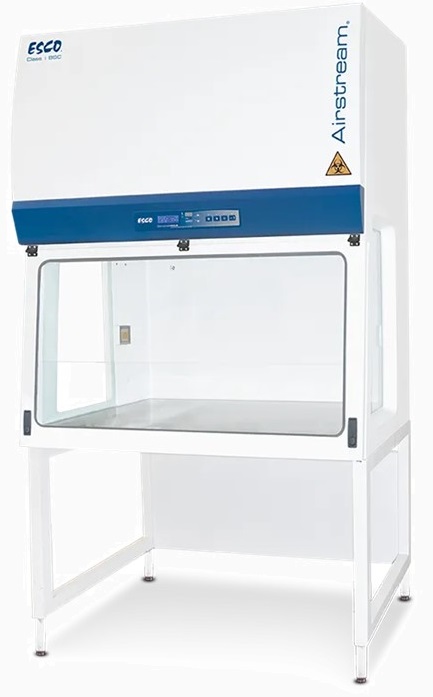
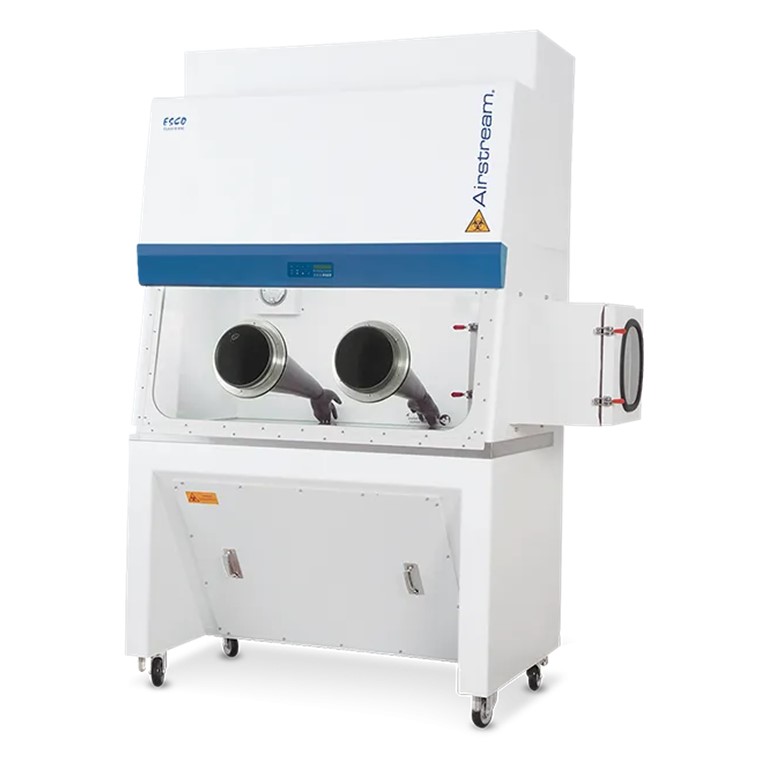
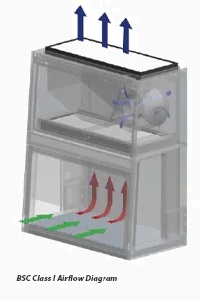
The Class I cabinet features the most basic design among biological safety cabinets. Inward airflow contains aerosols generated during microbiological procedures and directs them through a filtration system that captures airborne particles and contaminants. The decontaminated air is then exhausted from the cabinet. The filtration system typically consists of a pre-filter and a HEPA (High Efficiency Particulate Air) filter.

Although the Class I cabinet protects the operator and the environment from exposure to biohazards, it does not protect samples from airborne contaminants present in room air. This creates a risk of cross-contamination, potentially affecting experimental consistency. Consequently, Class I cabinets have limited applications.

Must-have features to consider:

✅ Compact design suitable for small laboratory spaces
✅ DC-ECM blower for 70% energy savings compared to AC motors
✅ Basic rocker switches for easy operation
✅ Compliance with EN 12469
✅ Wide range of accessories and options
✅ VHP port integration
✅ UV lamp for decontamination
✅ Isocide™ powder coating that inhibits microbial growth

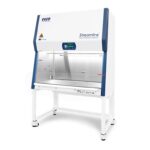
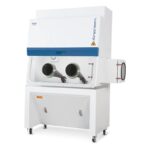
Airstream® Class I Biological Safety Cabinet

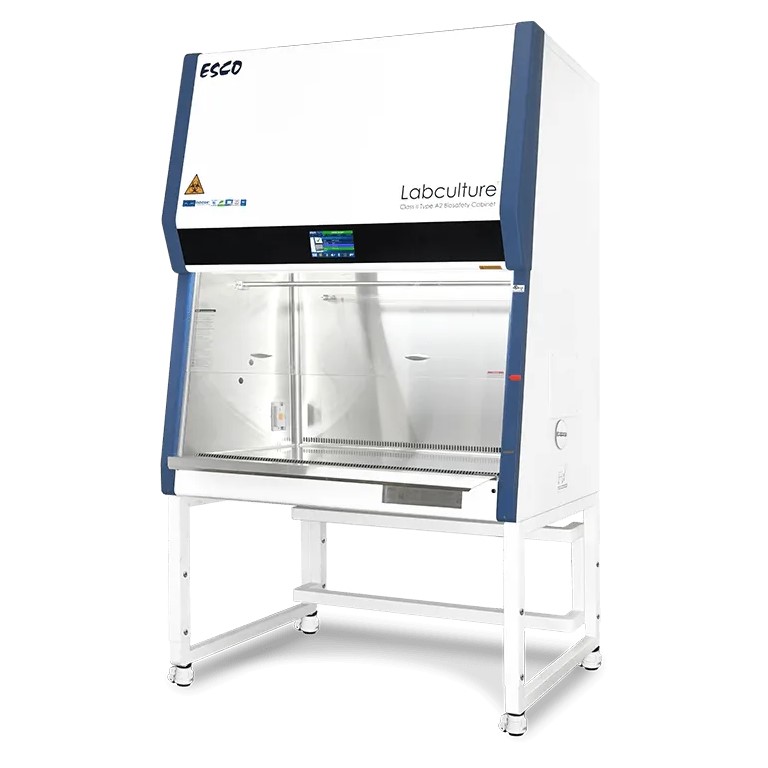
Class II Biological Safety Cabinet

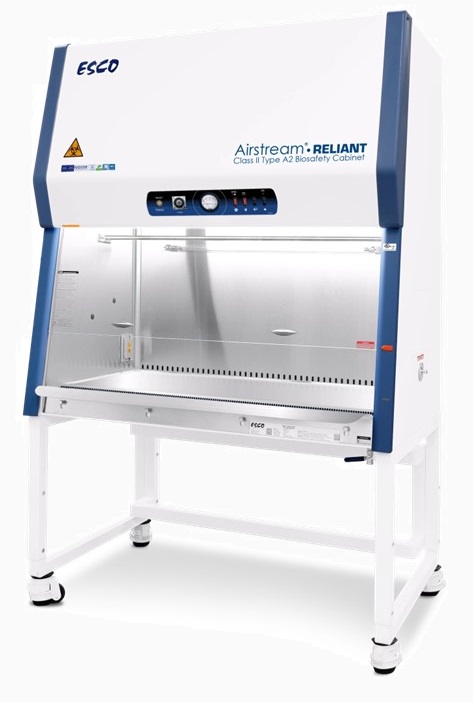
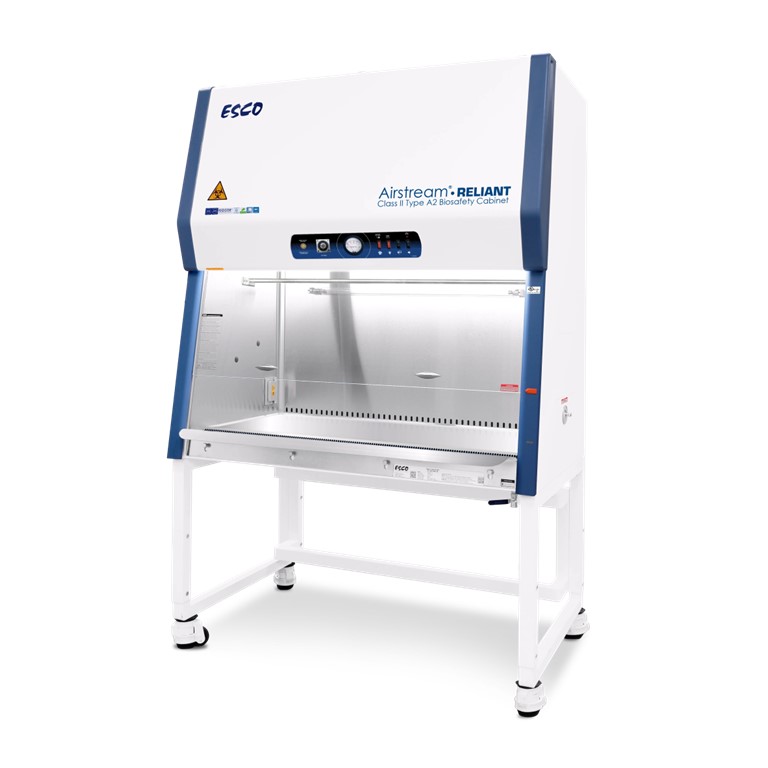
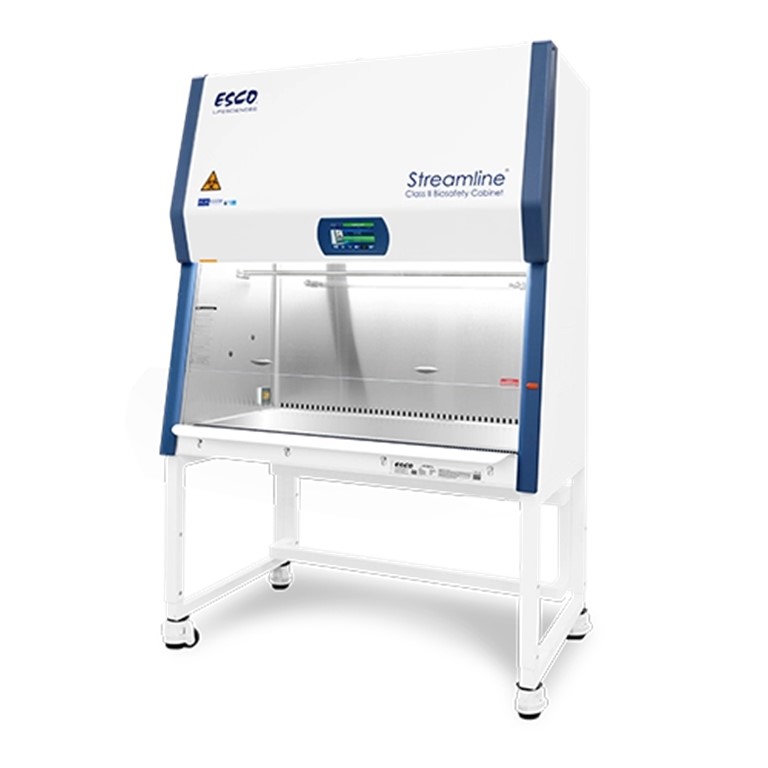
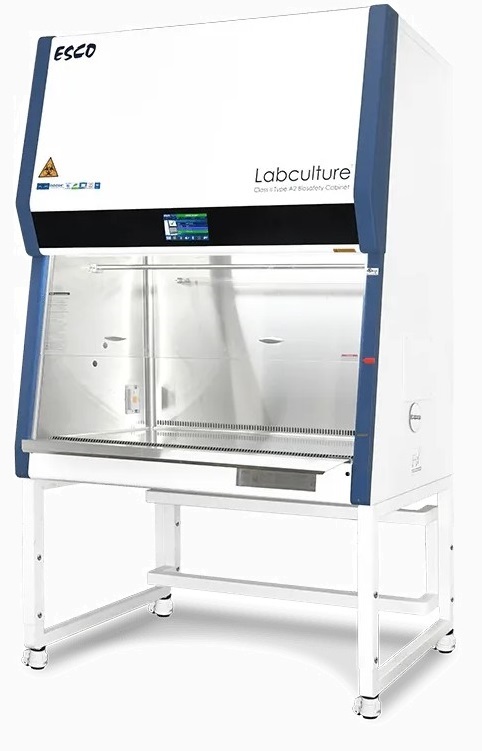
The Class II Biosafety Cabinet is mainly used for handling pathogenic biological samples or for applications that require a sterile work zone. A biological safety cabinet is designed to have: an inflow for protecting the operator, an ULPA/HEPA-filtered downflow which creates an ISO Class 3 work surface that prevents cross contamination for protecting the sample, and an ULPA/HEPA-filtered exhaust for protecting the environment.

Class II biological safety cabinets are divided into three types—A2, B1, and B2—based on their airflow and exhaust systems.

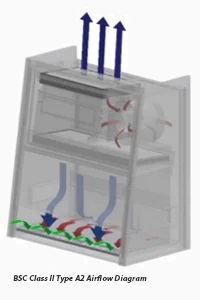
✅ Type A2: Recirculates 70% of the air as downflow and exhausts the remaining 30% through a HEPA filter. Positive-pressure contaminated plenums are surrounded by negative pressure to help prevent contaminated air from escaping in the event of leakage.

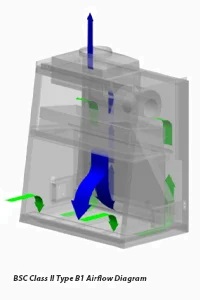
✅ Type B1: Exhausts 70% of the air and recirculates 30% as downflow. A dedicated exhaust system prevents recirculation in the rear work area. Toxic chemicals may be used only when their recirculation does not interfere with the work.

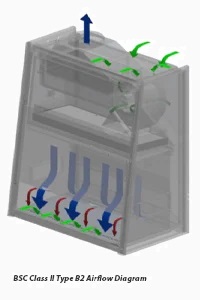
✅ Type B2: Exhausts 100% of the air without recirculation, making it suitable for microbiological procedures involving toxic chemicals. Total exhaust provides an additional safety measure in the event of downflow or exhaust HEPA filter failure. These cabinets require larger laboratory spaces and dedicated ductwork.

Must-have features to consider:

✅ Certified to NSF 49 and EN 12469
✅ Side panel construction options
✅ Choice of multipiece or single-piece worktrays
✅ DC-ECM blower for 70% energy savings compared to AC motors
✅ Broad range of sizes to suit different laboratory spaces
✅ Stable, self-compensating airflow despite building voltage fluctuations and filter loading
✅ UV lamp for decontamination
✅ Airflow sensor to alert users when airflow is insufficient
✅ Alarm for unsafe sash conditions
✅ Ergonomic raised armrest helps prevent grille blockage and promotes a comfortable working posture
✅ Isocide™ powder coating that inhibits microbial growth

Airstream® Reliant G4 Class II Type A2 Biological Safety Cabinet

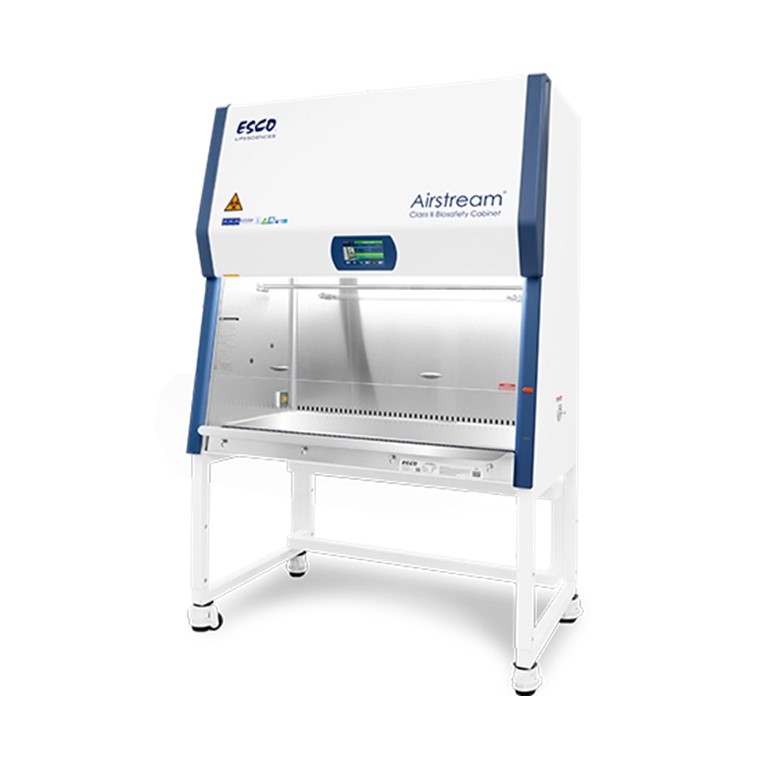
Class II Biological Safety Cabinet

The Class II Biosafety Cabinet is mainly used for handling pathogenic biological samples or for applications that require a sterile work zone. A biological safety cabinet is designed to have: an inflow for protecting the operator, an ULPA/HEPA-filtered downflow which creates an ISO Class 3 work surface that prevents cross contamination for protecting the sample, and an ULPA/HEPA-filtered exhaust for protecting the environment.

Must-have features to consider:

✅ Certified to NSF 49 and EN 12469
✅ Side panel construction options
✅ Choice of multipiece or single-piece worktrays
✅ DC-ECM blower for 70% energy savings compared to AC motors
✅ Broad range of sizes to suit different laboratory spaces
✅ Stable, self-compensating airflow despite building voltage fluctuations and filter loading
✅ UV lamp for decontamination
✅ Airflow sensor to alert users when airflow is insufficient
✅ Alarm for unsafe sash conditions
✅ Ergonomic raised armrest helps prevent grille blockage and promotes a comfortable working posture
✅ Isocide™ powder coating that inhibits microbial growth

Airstream® Reliant G4 Class II Type A2 Biological Safety Cabinet

ΠΑΡΟΜΟΙΑ ΠΡΟΪΟΝΤΑ

Καλάθι αγορών
Scroll to Top