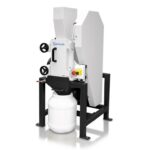
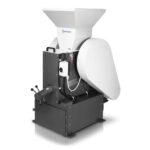
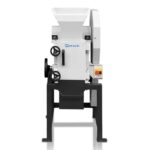
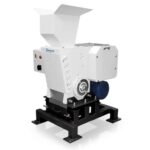


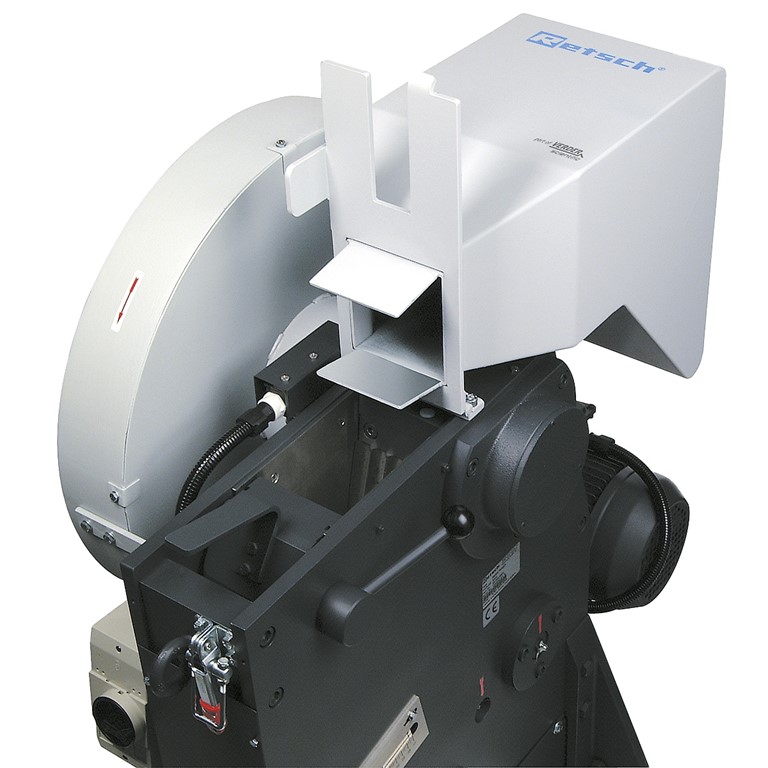
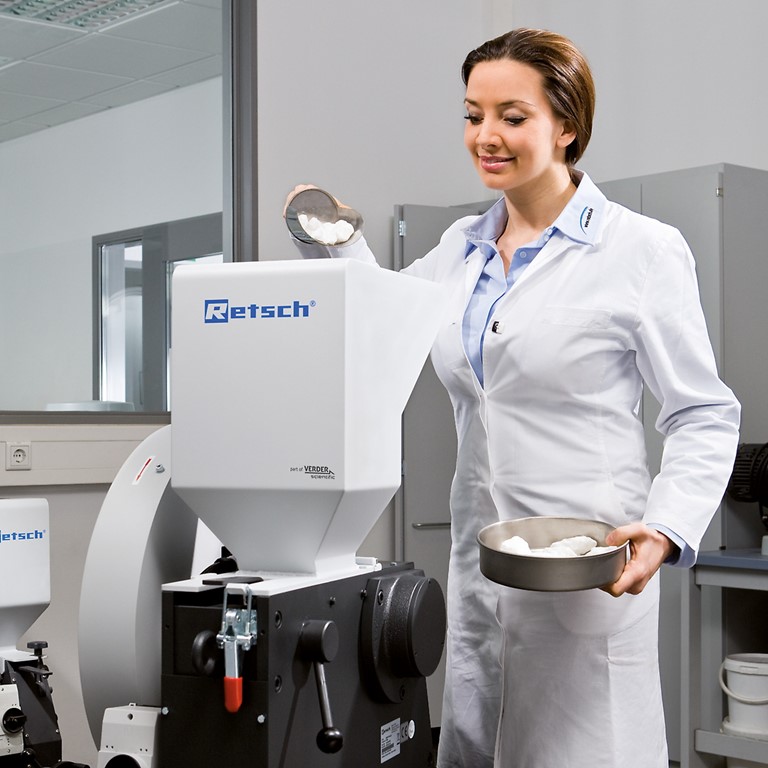
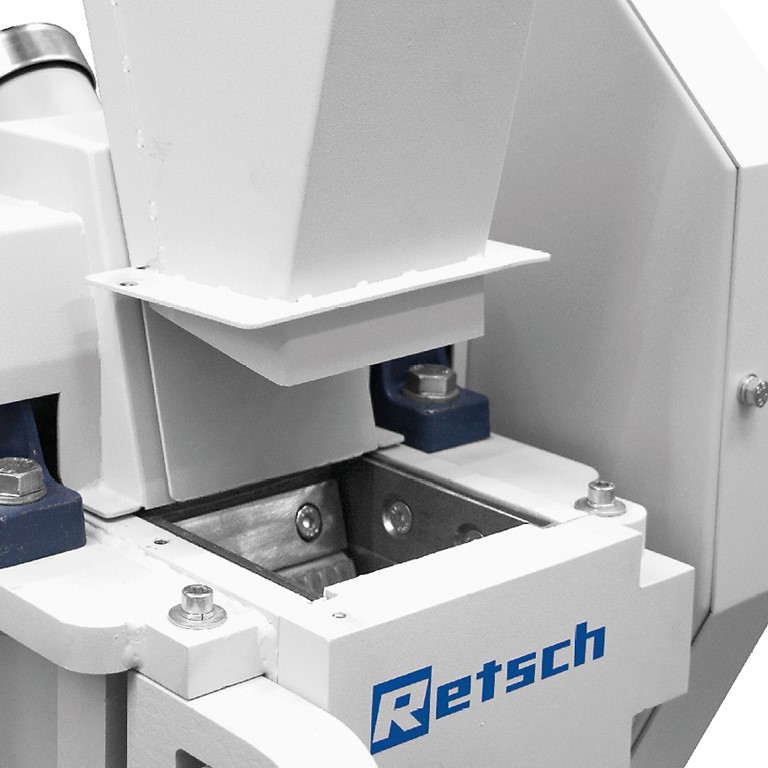
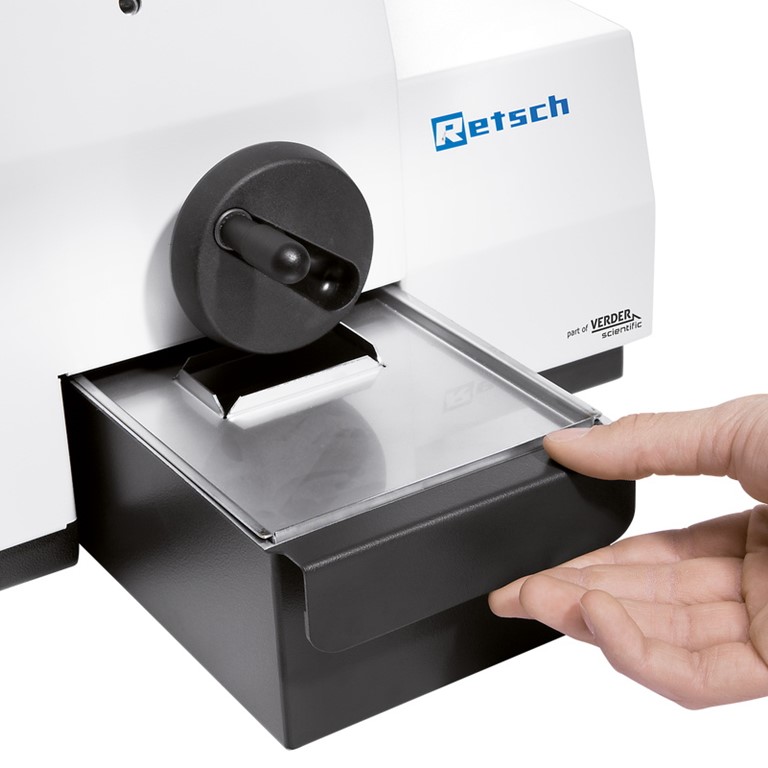

Selecting the appropriate breaking jaw material is essential for achieving efficient crushing while minimizing abrasion and contamination during sample preparation. Since mechanical size reduction can introduce trace elements (ppm/ppb) into the sample, choosing the right material is critical—especially for sensitive analyses such as heavy metal testing. Factors such as wear resistance, hardness, and chemical composition directly influence both performance and sample integrity, ensuring reliable and reproducible results.
Jaw Crushers
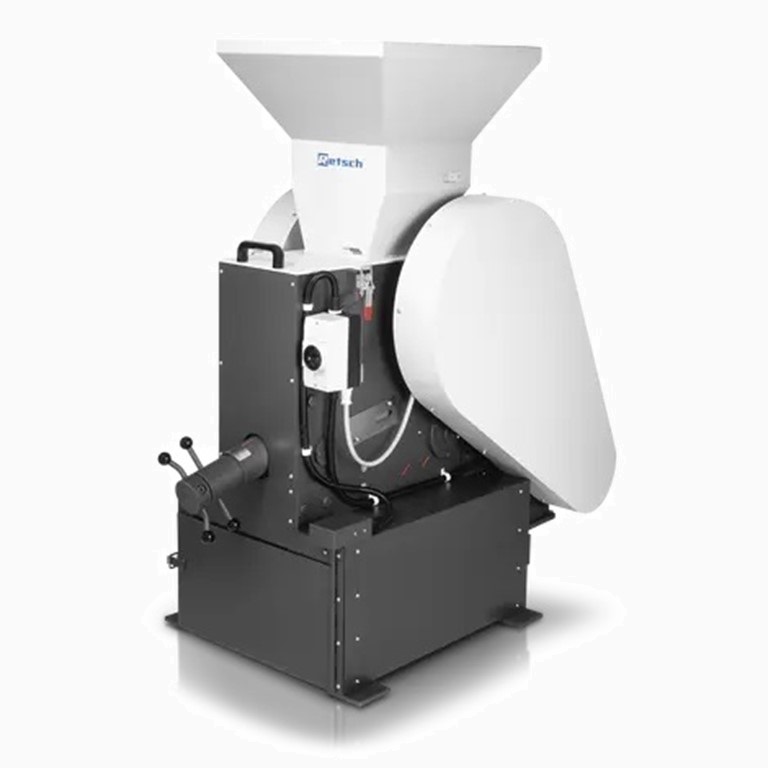
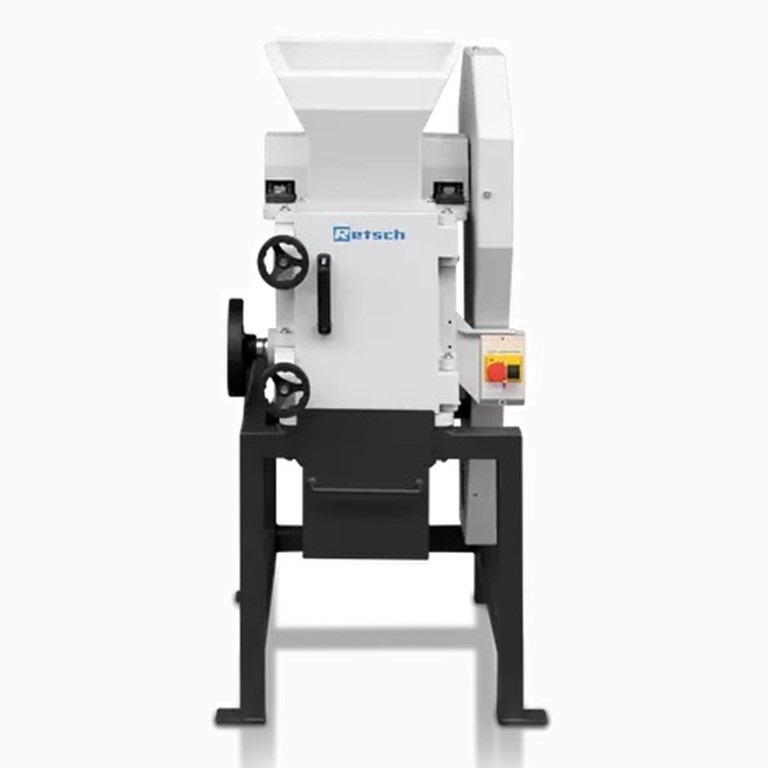
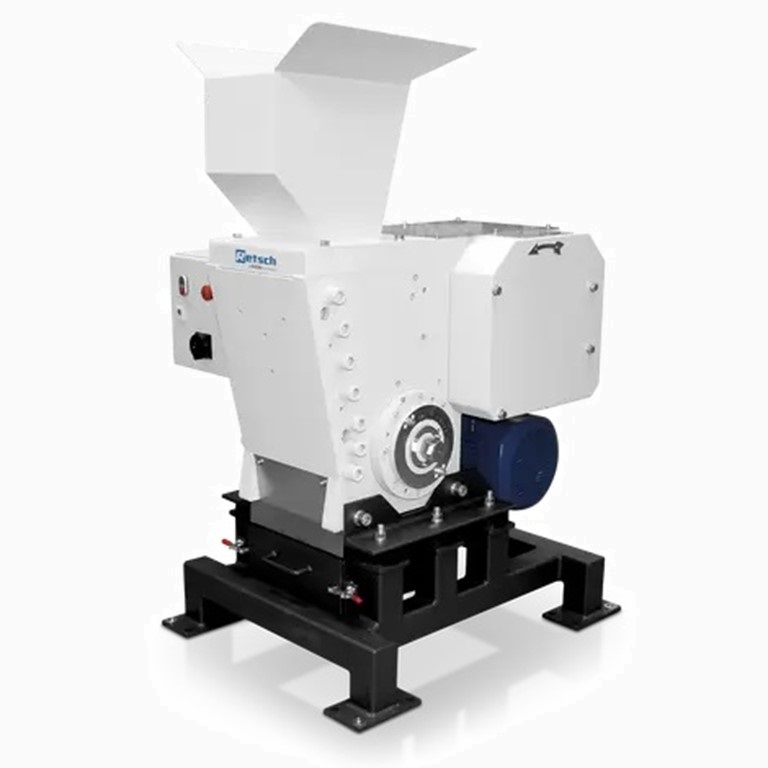
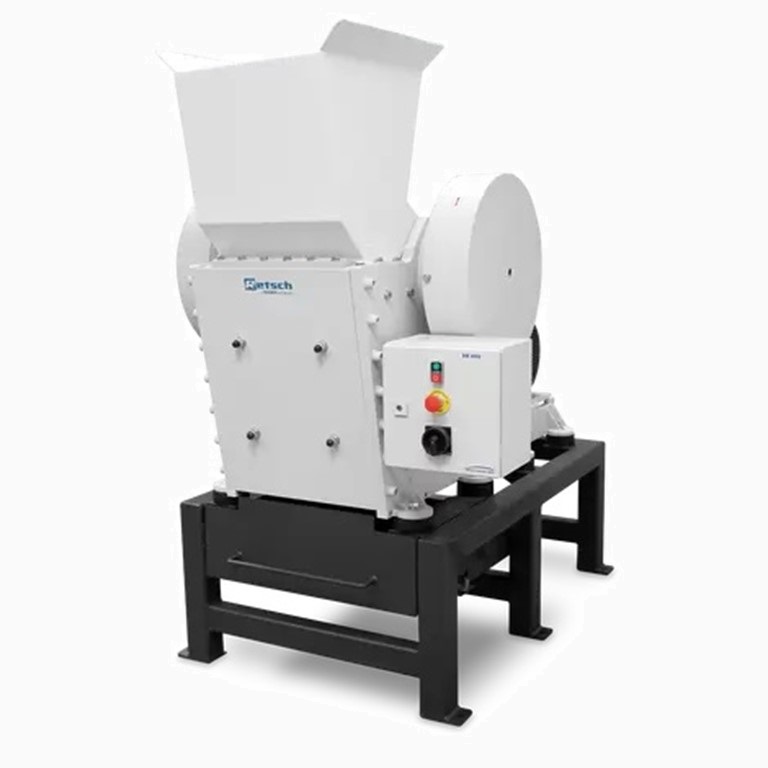
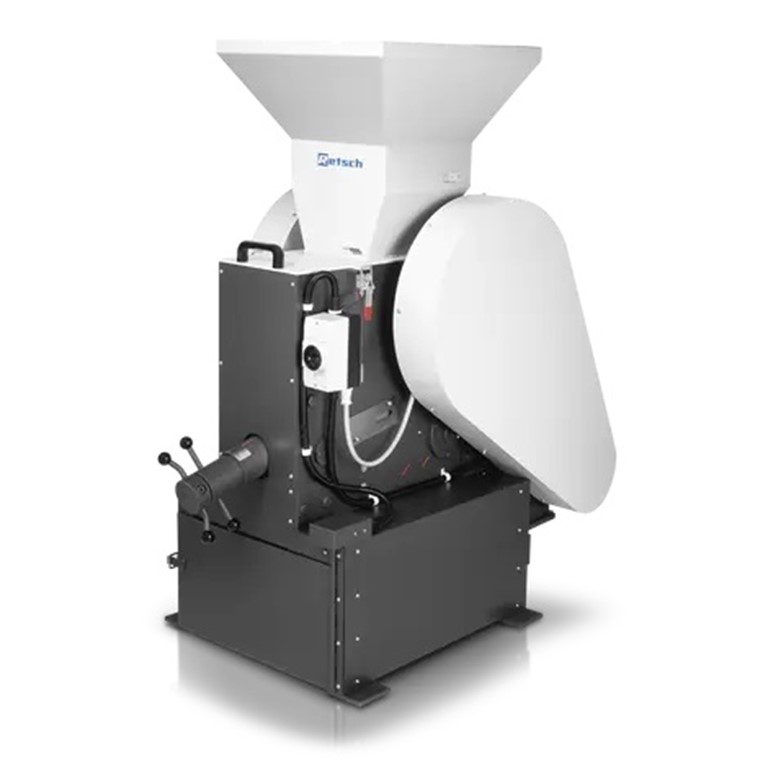
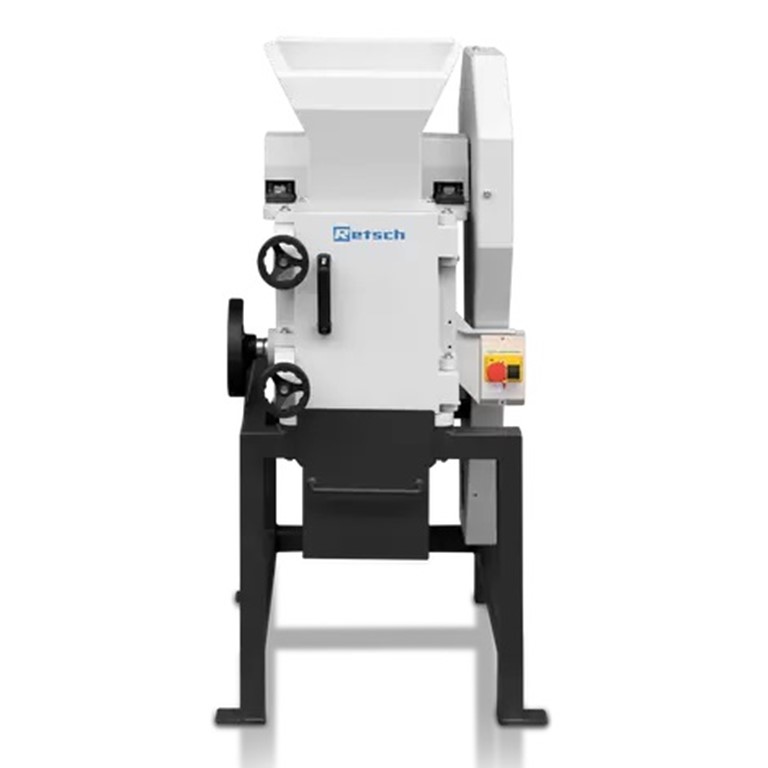
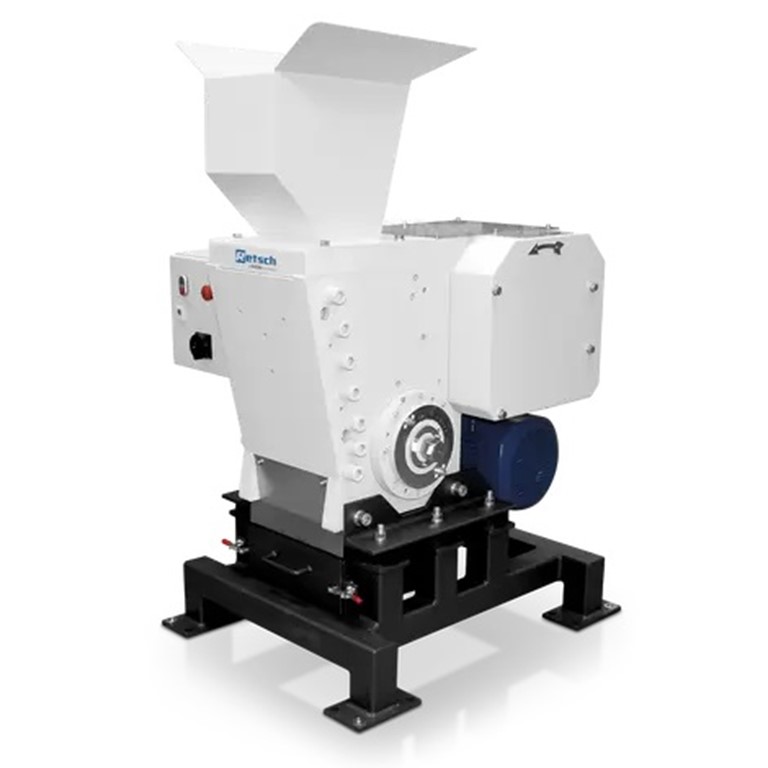
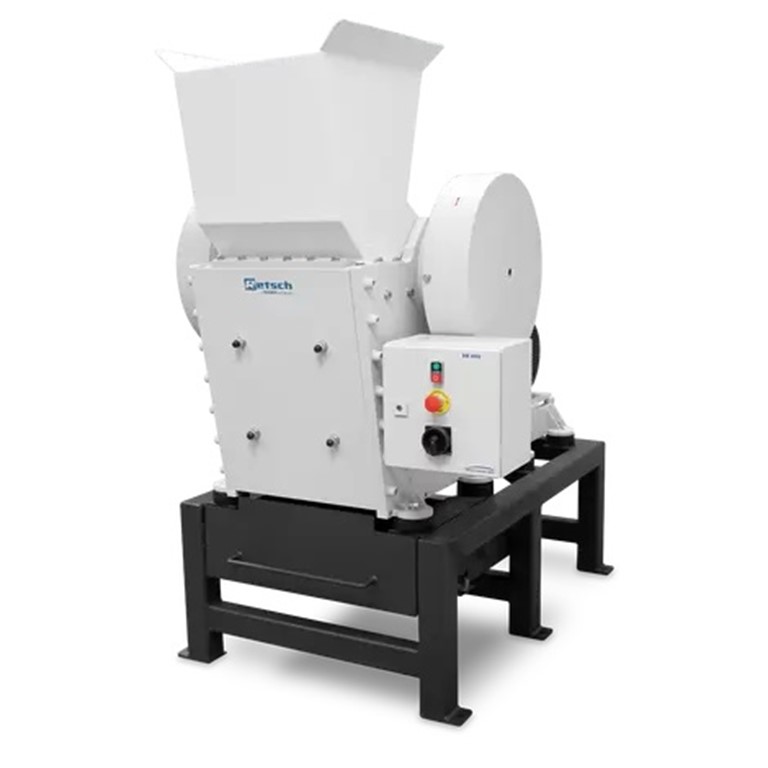
Jaw Crushers are designed for rapid and powerful crushing and pre-crushing of medium-hard, hard, brittle, and tough materials, offering efficient and safe sample preparation for laboratory and industrial use.
Category Mills, Grinders & Crushers
Brand: RETSCH
Description
Jaw Crushers
For efficient primary size reduction
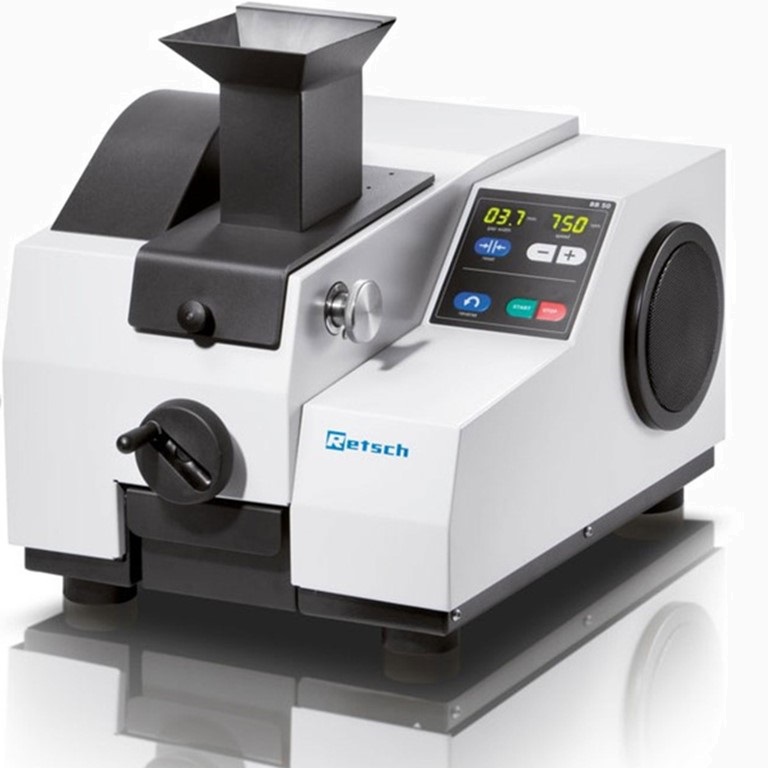
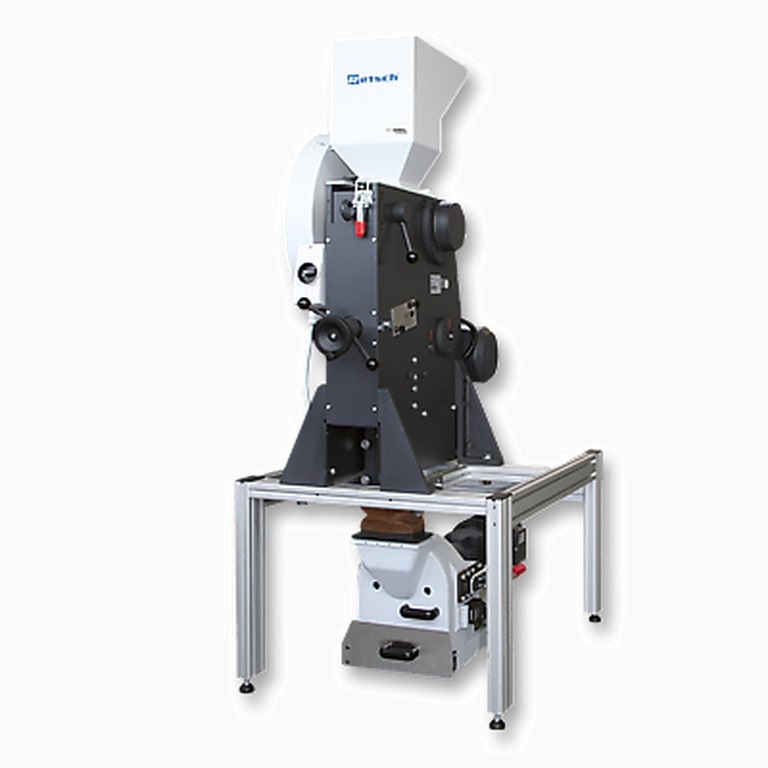
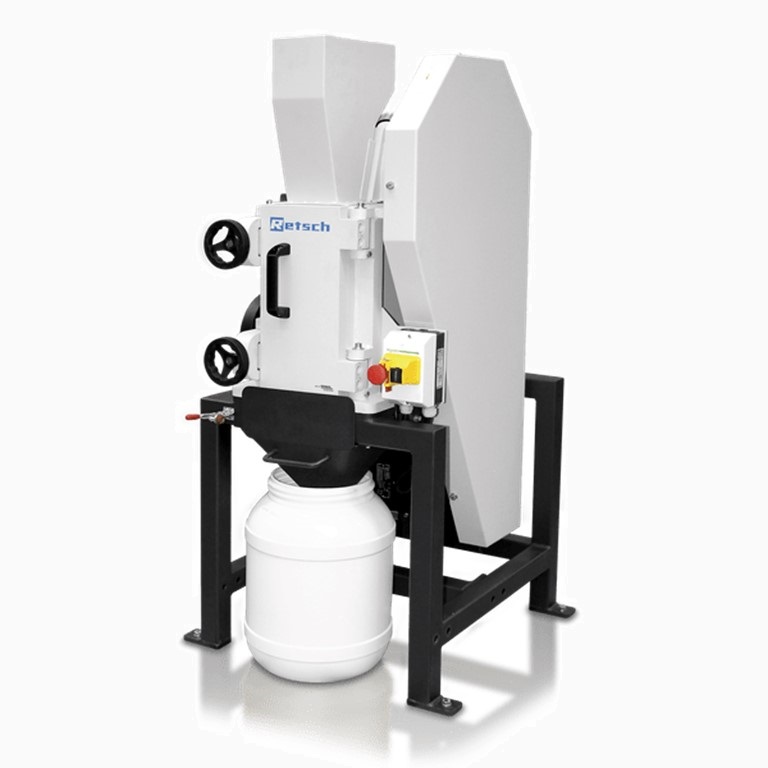
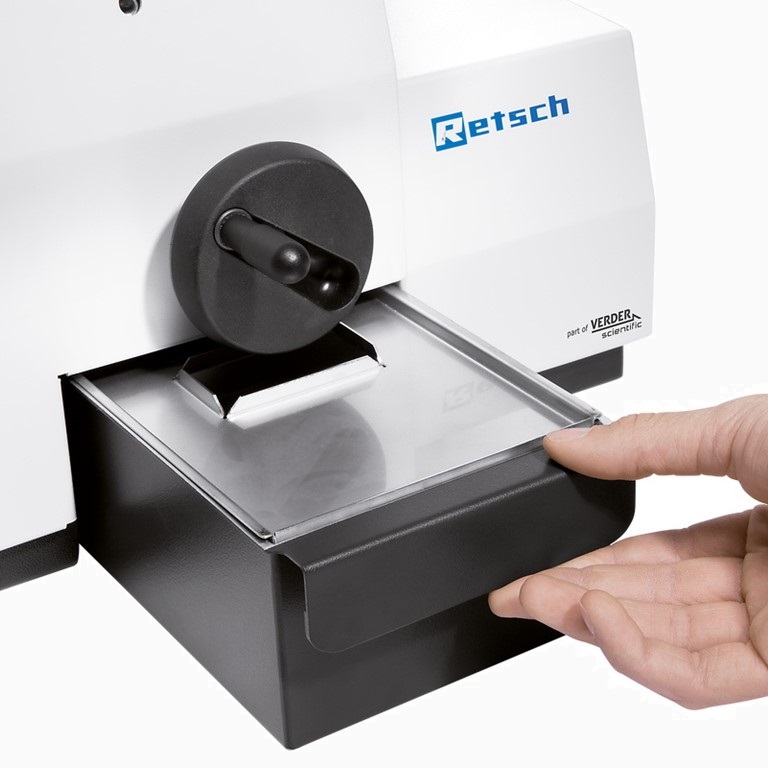
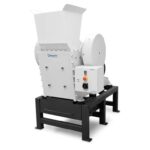
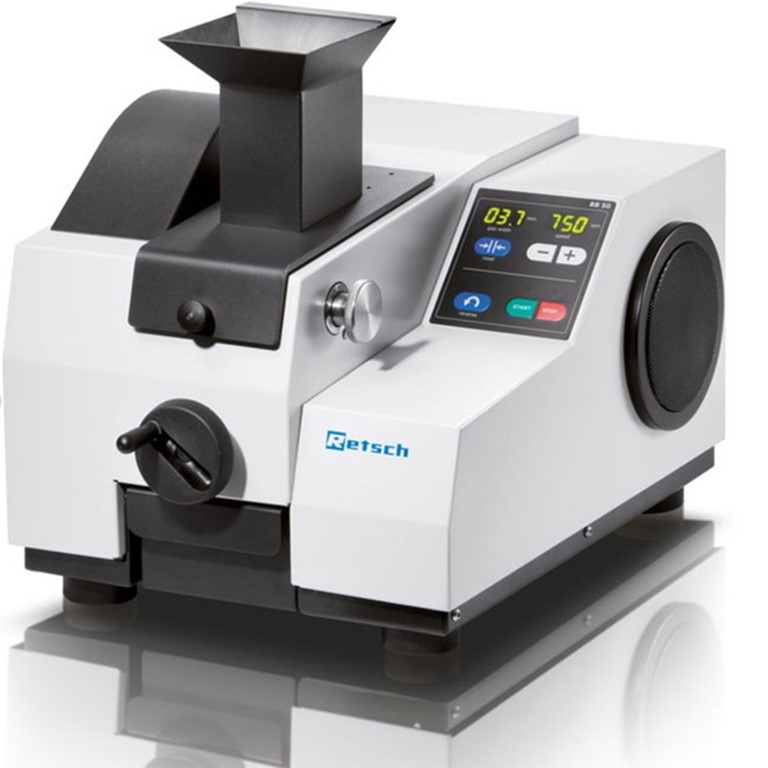
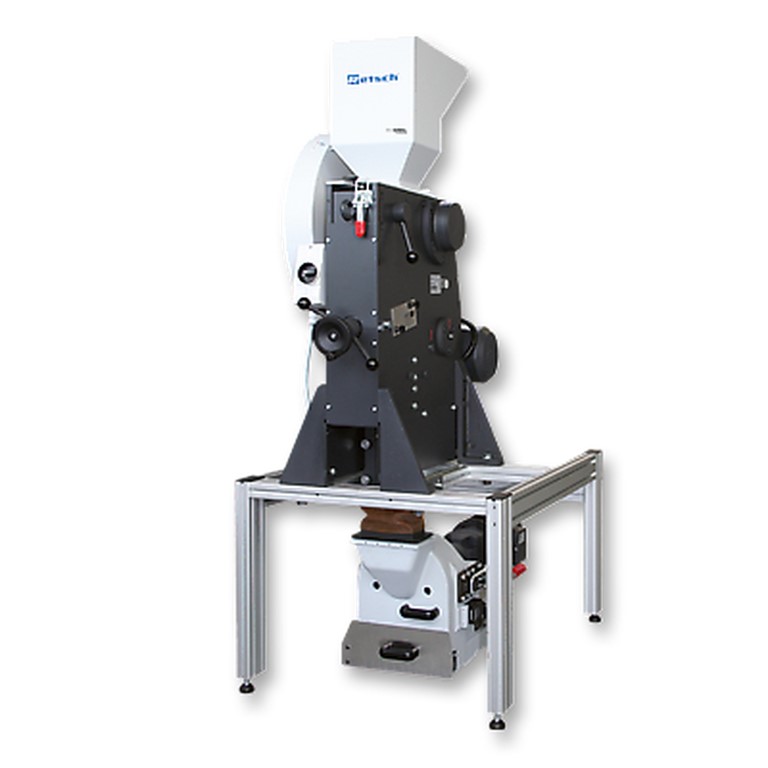
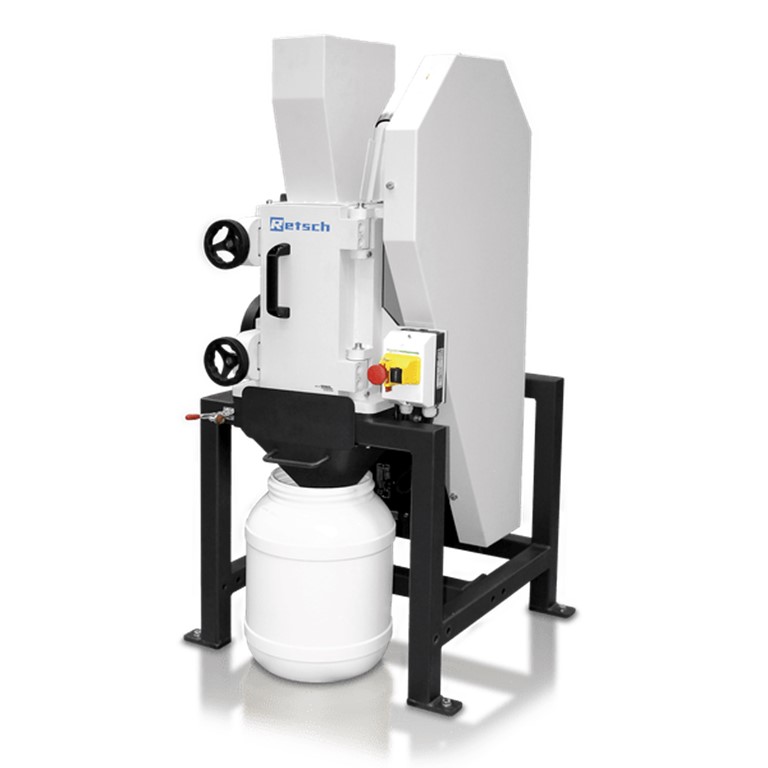
Jaw Crushers from RETSCH are designed for rapid and powerful crushing and pre-crushing of medium-hard, hard, brittle, and tough materials, making them an essential first step in the sample preparation process. Their robust construction, high efficiency, and operational safety make them ideal for use in laboratories, pilot plants, and industrial environments, even under demanding conditions.
Positioned at the front of the sample preparation chain, jaw crushers are widely used across industries such as building materials, mineralogy and metallurgy, ceramics and glass, materials science, and environmental analysis. They efficiently process materials like ores, slag, oxide ceramics, coal, and cement clinker, ensuring reliable pre-crushing before further analysis. Available in multiple sizes, these systems support both laboratory-scale applications and integration into continuous production lines for online quality control.
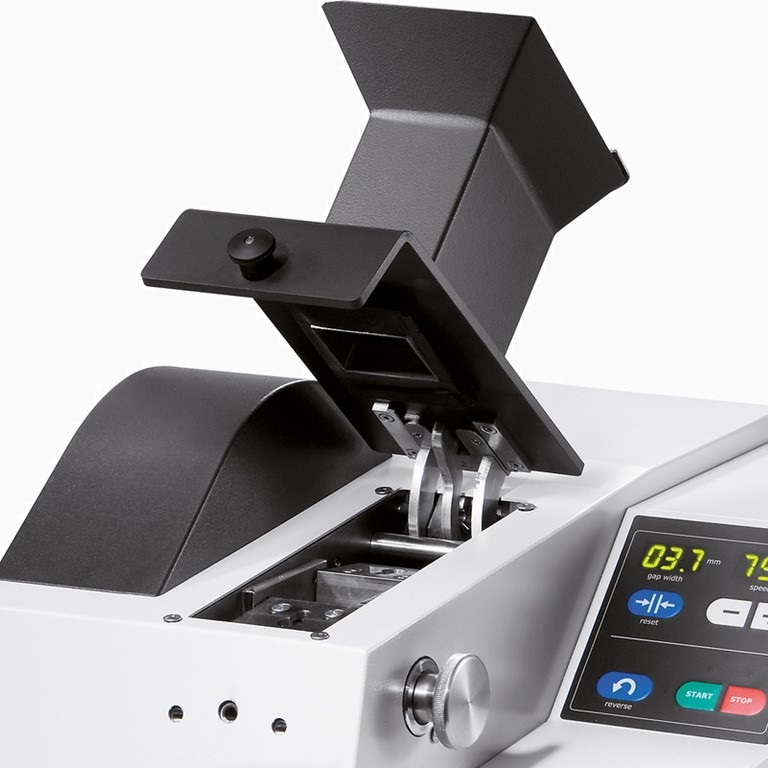
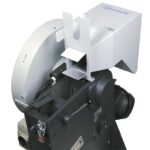
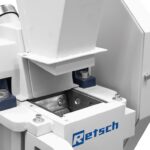
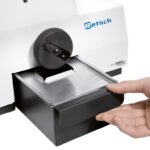
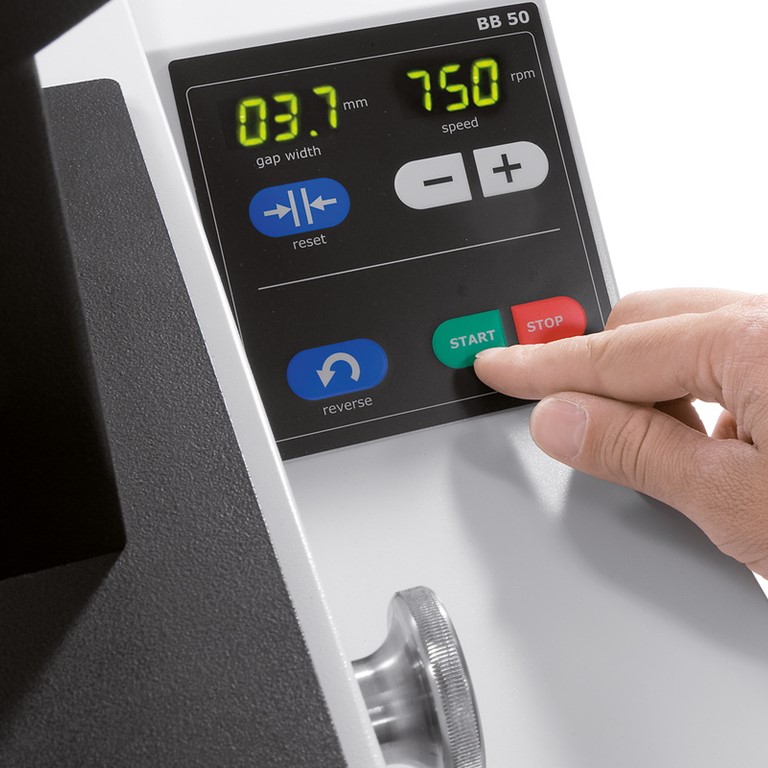
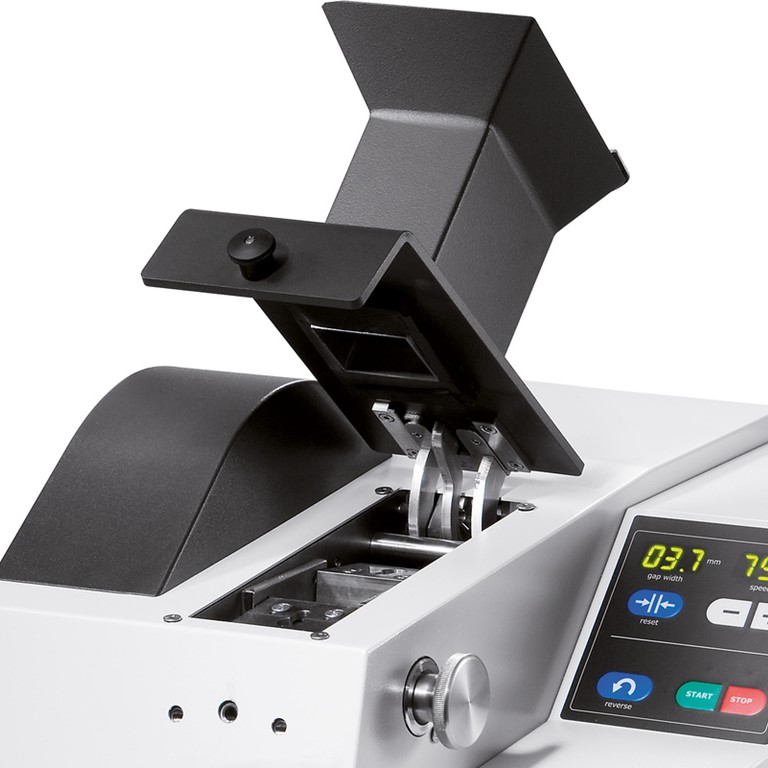
The working principle is based on a forced-feed mechanism, where the sample enters a wedge-shaped crushing chamber between a fixed and a moving crushing arm. Driven by an eccentric shaft, the moving arm generates an elliptical motion, applying pressure to crush the material. Once the particles are smaller than the adjustable discharge gap, they fall into a collector. The continuous gap width adjustment with scale allows for precise control of the final particle size, ensuring consistent and reproducible results.
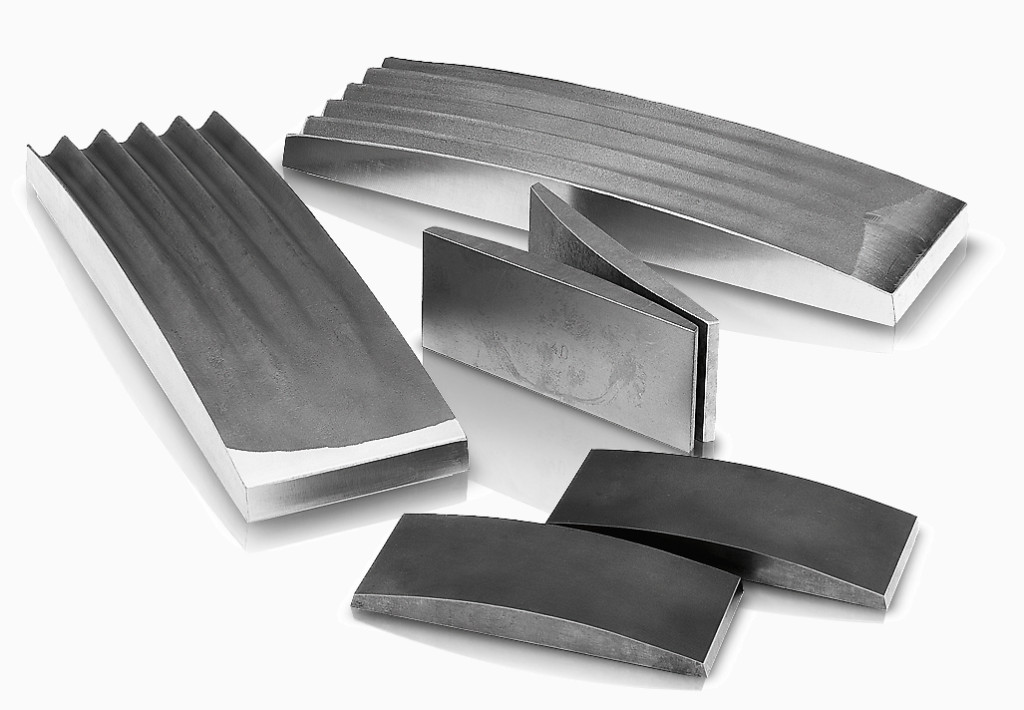
Breaking Jaw Materials
Available Breaking Jaw Materials
🟦 Manganese steel – High hardness (>600 HV) and excellent impact resistance
🟦 Stainless steel – Corrosion-resistant with protective oxide layer
🟦 Stainless steel 316L – High chromium content with superior corrosion and acid resistance
🟦 Heavy-metal free steel (1.1750 / 1.0038) – Ideal for heavy metal analysis with no chromium or nickel
🟦 NiHard4 cast iron – Extremely wear-resistant with high impact strength
🟦 Tungsten carbide – Very high hardness and minimal abrasion, suitable for demanding applications
🟦 Zirconium oxide – Chemically inert ceramic with excellent thermal and mechanical stability
Choosing the correct jaw material ensures that the sample composition remains unchanged during crushing, while also optimizing tool lifetime and performance. Careful material selection is therefore crucial for accurate analytical results and long-term operational reliability.
Available Models