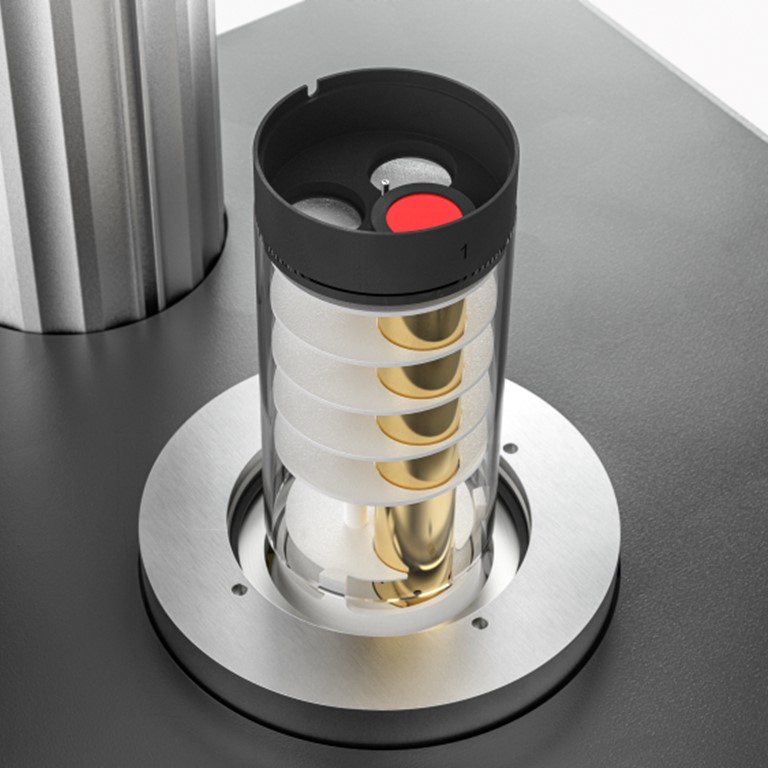
Precise measurement of the thermal conductivity and temperature capability of thin layers
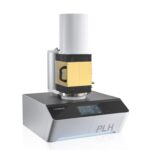
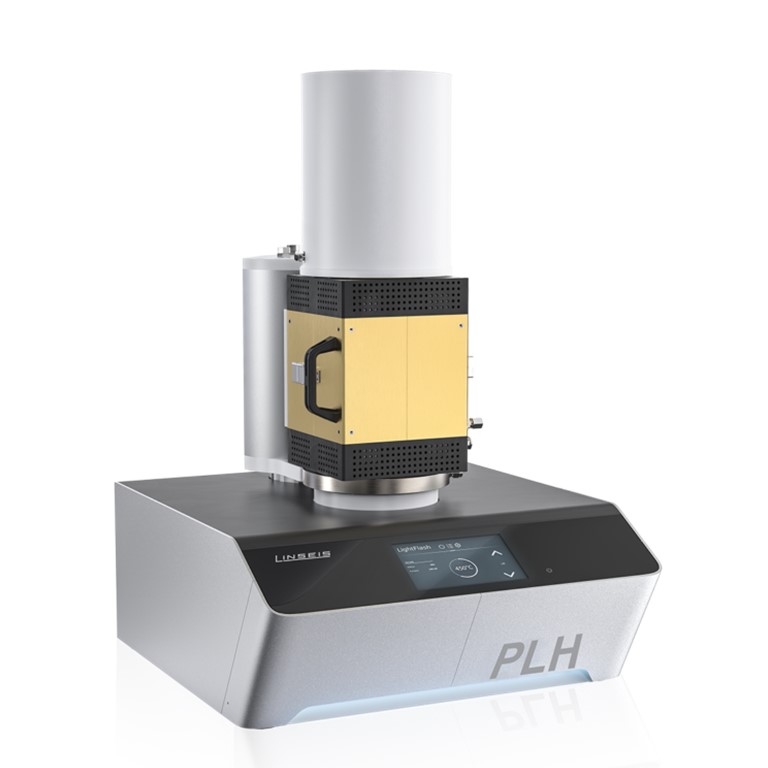
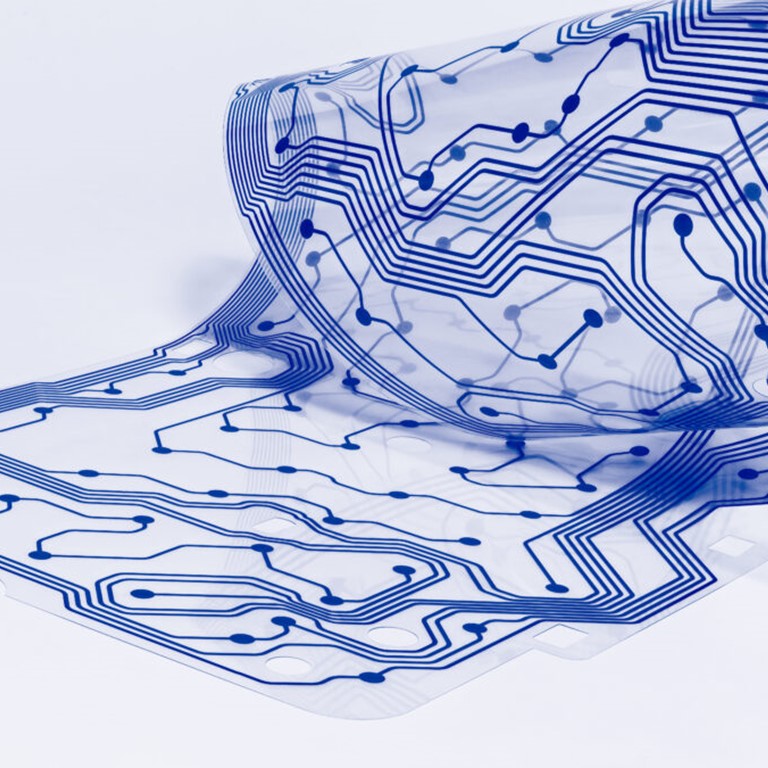
The LINSEIS PLH L53 is a high-precision, laser-based measurement system for determining the thermal conductivity of thin films, foils, and membranes in the micrometer range using the Periodic Laser Heating (PLH) method. This non-contact technique enables reliable, accurate thermal characterization of delicate and free-standing samples without mechanical contact or complex sample preparation.
Designed for research and advanced material development, the PLH L53 allows precise analysis of homogeneous and inhomogeneous thin materials, including metallic foils, polymer films, and membrane structures. With its optical measurement principle, high-sensitivity, and robust evaluation models, the system delivers reproducible, application-relevant, and accurate thermal conductivity data for modern thin-material technologies.
Unique Features
The measuring electronics of the PLH L53 are specifically developed for optical, frequency-based Periodic Laser Heating measurements, ensuring enhanced signal stability and high-precision data acquisition. This advanced electronic architecture delivers reliable and reproducible measurement performance even under demanding experimental conditions.
The advantages of the optimized electronic architecture include:
☑️ Highsignal stability – ensures reliable phase and amplitude detection during periodic laser excitation, even over extended measurement times
☑️ Low-noiseelectronics – minimizes electronic interference and improves signal-to-noise ratio for precise thermal conductivity determination of thin materials
☑️ Accurate frequency control – enables stable and reproducible laser modulation essential for frequency-domain evaluation
☑️ Excellentreproducibility – guarantees consistent results for repeated analyses of films, foils, and membranes
New hardware features
☑️ Contactless laser-based measurement concept – fully non-contact optical Periodic Laser Heating setup eliminates mechanical interaction with the sample, enabling reliable, accurate thermal conductivity measurements of delicate, thin and flexible materials without affecting intrinsic properties
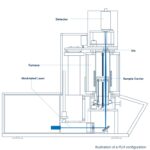
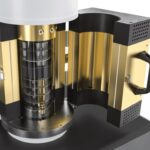
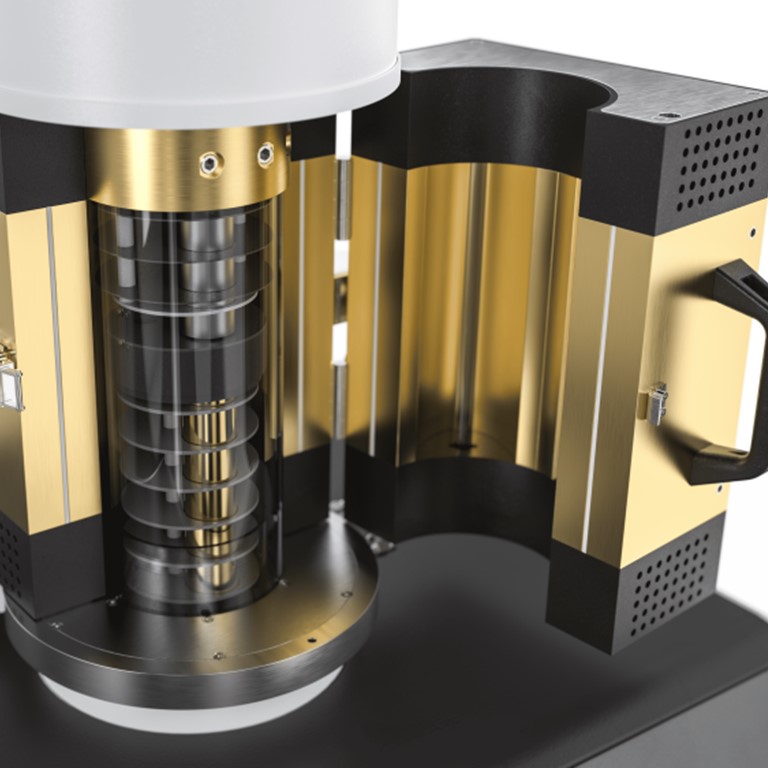
☑️ Optimized optical system for µm-scale samples – precisely aligned laser heating and detection optics ensure homogeneous excitation and accurate temperature response measurement with high-sensitivity and stable signal acquisition for thin films, foils, and membranes
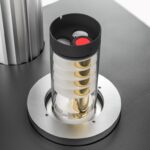
☑️ Flexible sample handling and stable alignment – supports free-standing and substrate-based samples with minimal preparation, while a robust optical layout ensures long-term alignment stability and excellent reproducibility during repeated and extended measurements
Key Features
☑️ Contactless laser-based measurement Non-contact Periodic Laser Heating eliminates mechanical influence on the sample and enables reliable thermal conductivity measurements of delicate thin materials.
☑️ Optimized for µm-scale films, foils and membranes Specifically designed for thin materials in the micrometer range, including free-standing foils and membranes as well as substrate-based structures.
☑️ High sensitivity for low-mass samples The optical measurement principle allows accurate thermal characterization even for samples with very low mass and thickness.
☑️ Integrated LINSEIS platform The integrated LINSEISsoftware offers a comprehensive solution that combines hardware and software for maximum process reliability and precision. The standardized platform enables seamless integration of components and devices from external partners – for a particularly robust and reliable overall system.
Discover our high-performance PLH – developed for precise optical thermal characterization of thin films, foils and membranes:
☑️Temperature range: Room temperature up to 300 °C ☑️Heating rates: 0.01 to 20 °C/min ☑️Sample thickness: 10 to 500 µm ☑️Laser source: CW diode laser up to 5 W, wavelength 450 nm ☑️Thermal diffusivity range: 0.01 to 2000 mm²/s (thickness dependent)
Method
The Periodic Laser Heating (PLH)method is an optical, non-contact technique for determining the thermal conductivity of thin films, foils, and membranes in the micrometer range. It is particularly suited for delicate, low-mass, and free-standing materials where conventional contact-based methods reach their limits.
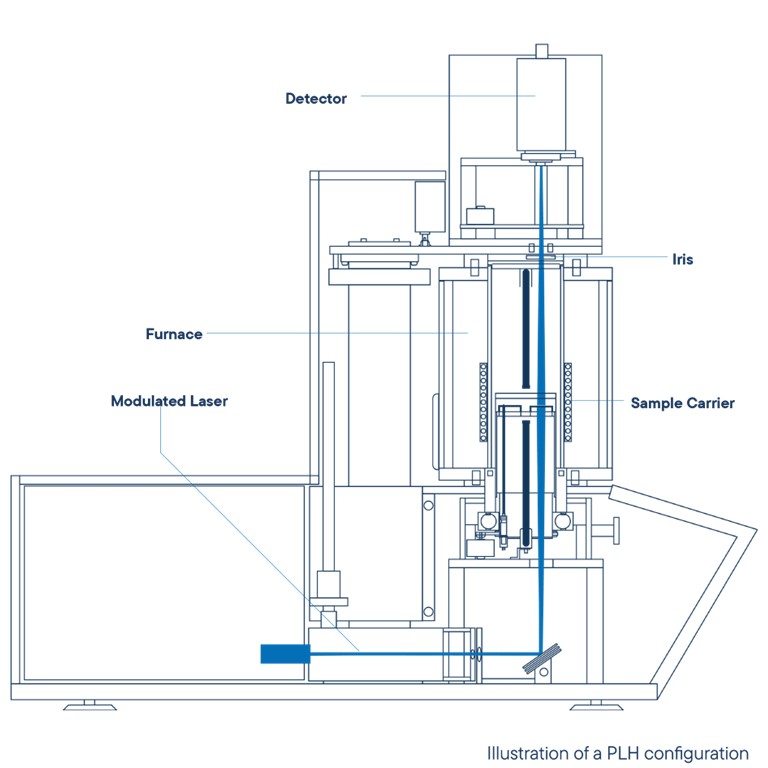
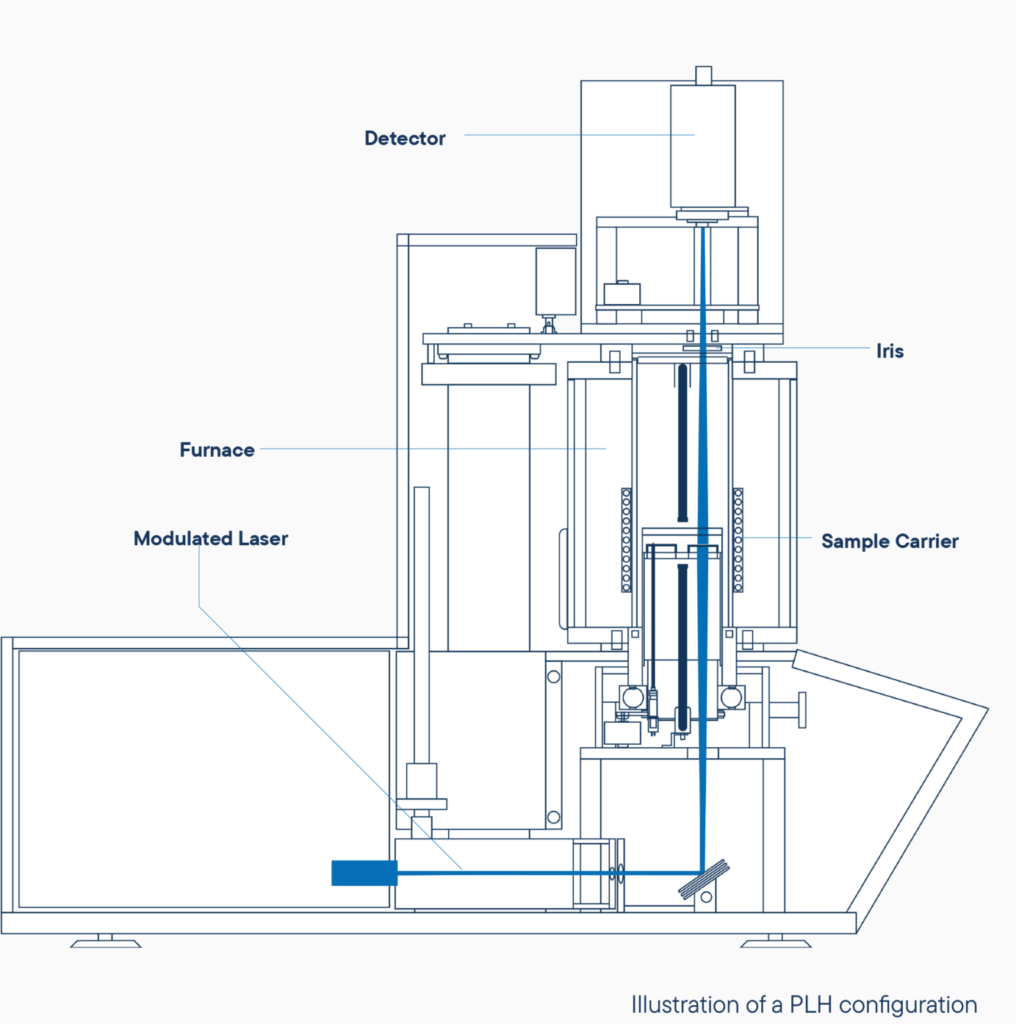
During the measurement, the sample surface is periodically heated by a modulated laser source. This controlled, harmonic heating induces a periodic temperature response within the material. The resulting temperature oscillation is detected optically and evaluated in the frequency domain.
By analyzing the phase shift and amplitude of the temperature response relative to the applied laser modulation, the thermal conductivity of the sample is calculated. Because the method is fully optical, no sensors, electrical contacts, or mechanical loading are required, ensuring that the intrinsic thermal properties of the material remain unaffected.
The PLHmethod enables reliable and reproducible thermal characterization of homogeneous and inhomogeneous thin materials, making it ideal for research, material development, and high-quality control applications.
Measurement Principle
In the Periodic Laser Heating (PLH) method, the sample surface is subjected to a periodicallymodulated laser heating. This harmonic thermal excitation generates a temperature wave that propagates through the thin material depending on its thermal transport behavior.
The resulting temperature response is detected optically and evaluated in the frequency domain. The relationship between excitation frequency, phase shift, and amplitude of the temperature signal forms the basis for precise and quantitative analysis.