Evolved Gas Analysis (EGA) identifies and analyzes the gases released during thermal processes, providing valuable insight into material composition, reactions, and thermal stability.
By coupling the thermal analyzer (for example a thermobalance (TGA) or Simultaneous Thermal Analyzer (STA – TGA+DSC)) with the fast quadrupole mass spectrometer (QMS) or FTIR spectrometer (Fourier Transform Infrared), it is possible to detect gas evolution and identify the separated gas components in exact temporal correlation with the other thermal analysis signals.
With the unique pulse analysis, even quantitative gas analysis – with both QMS and FTIR – can be achieved.
Thanks to these couplings, Linseisoffers extremely high-performance solutions for thermal analysis, including residual gas analysis.
EGA devices
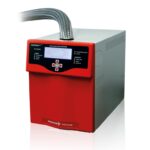
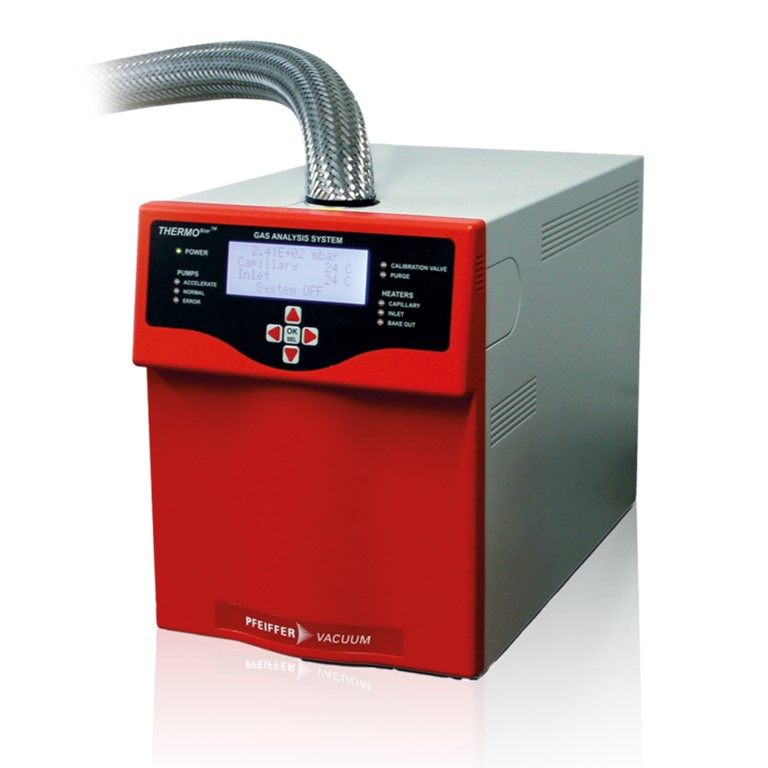
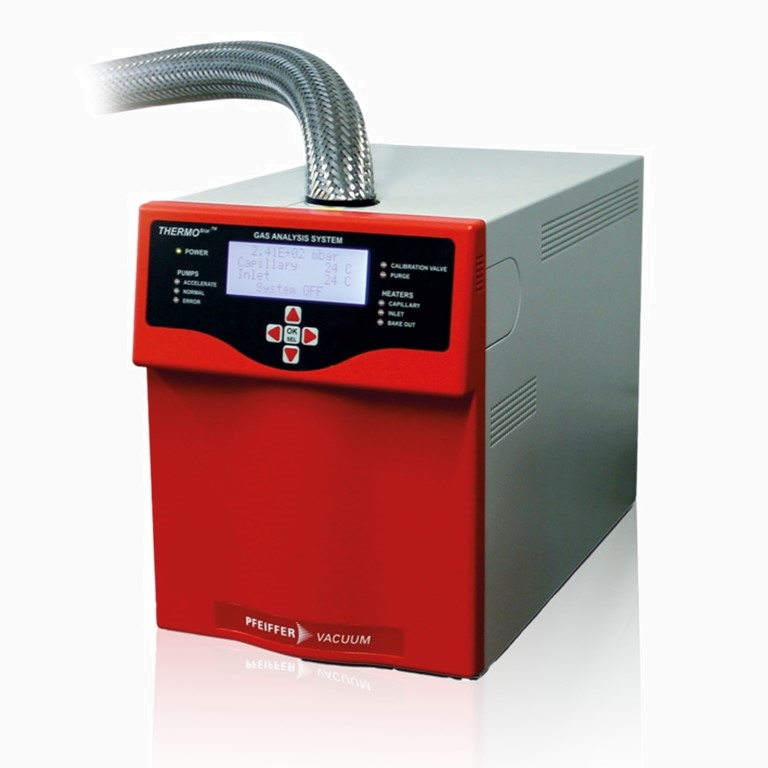
L40 EGA QMS – Quadrupole mass spectrometer – Gas analysis
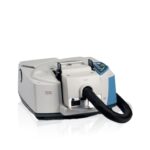
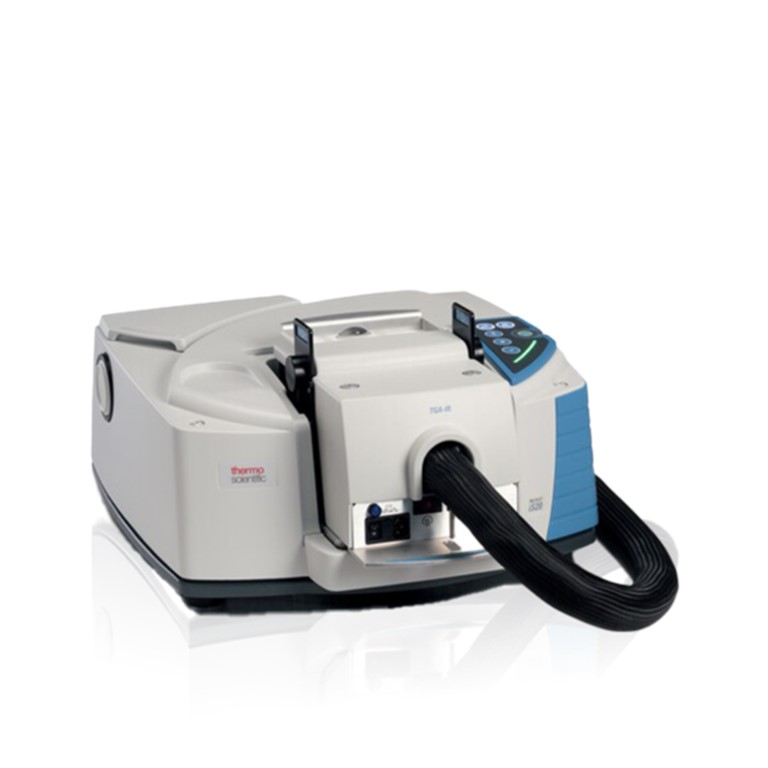
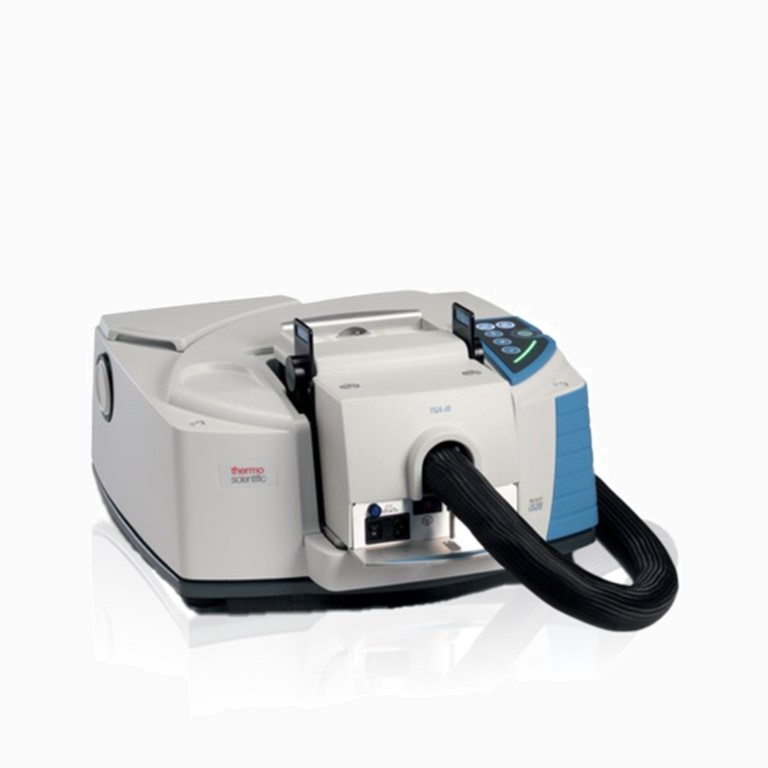
L40 EGA FTIR - Evolved Gas Analysis
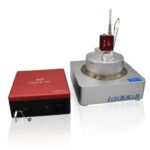
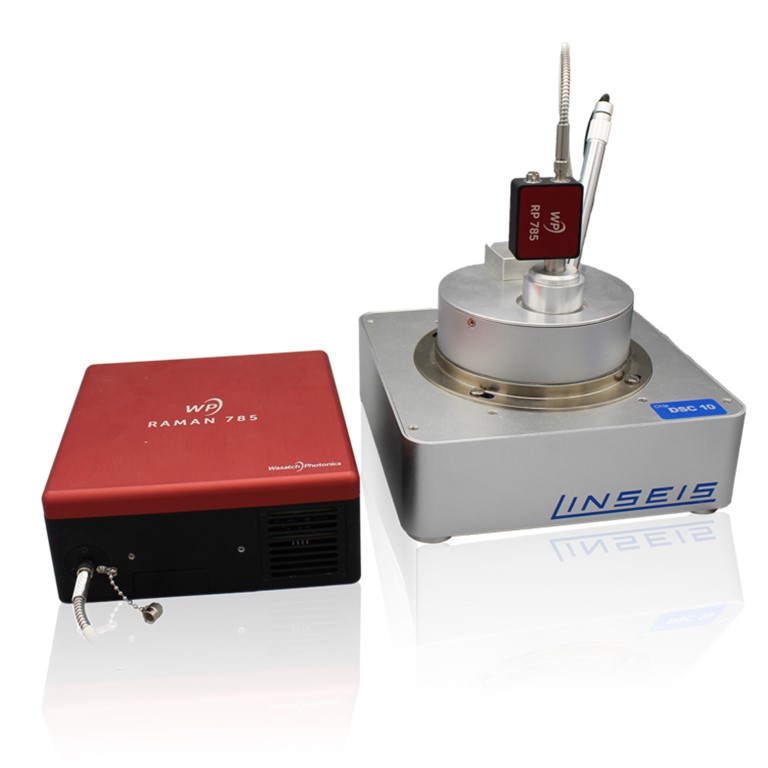
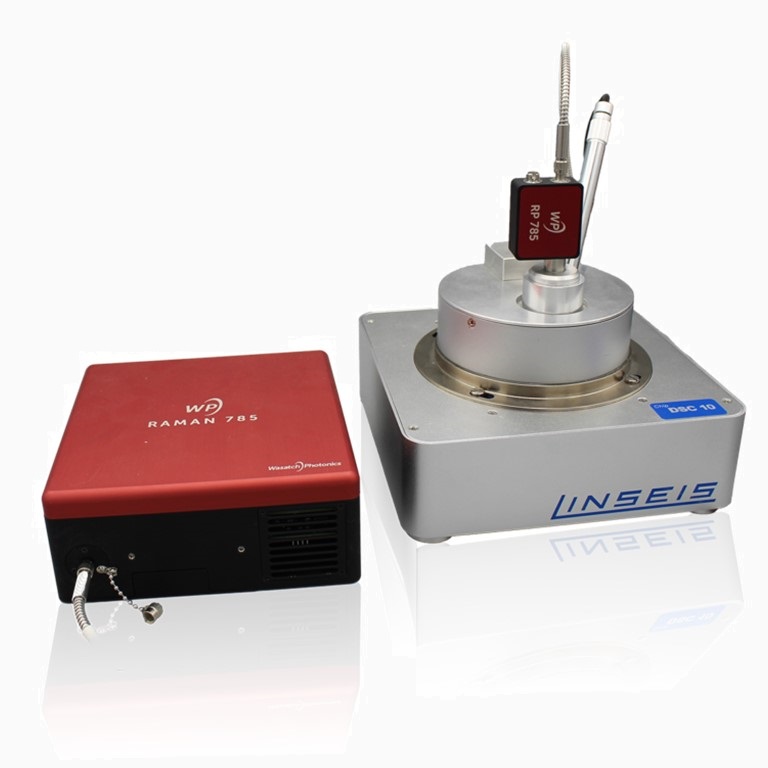
L40 EGA In-Situ – Coupling
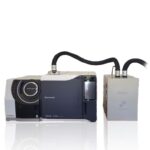
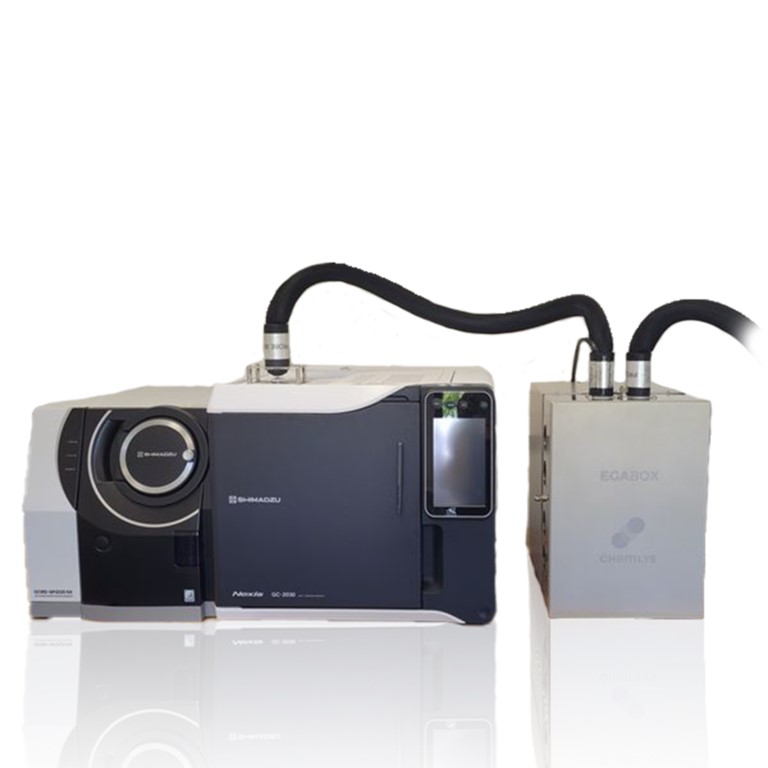
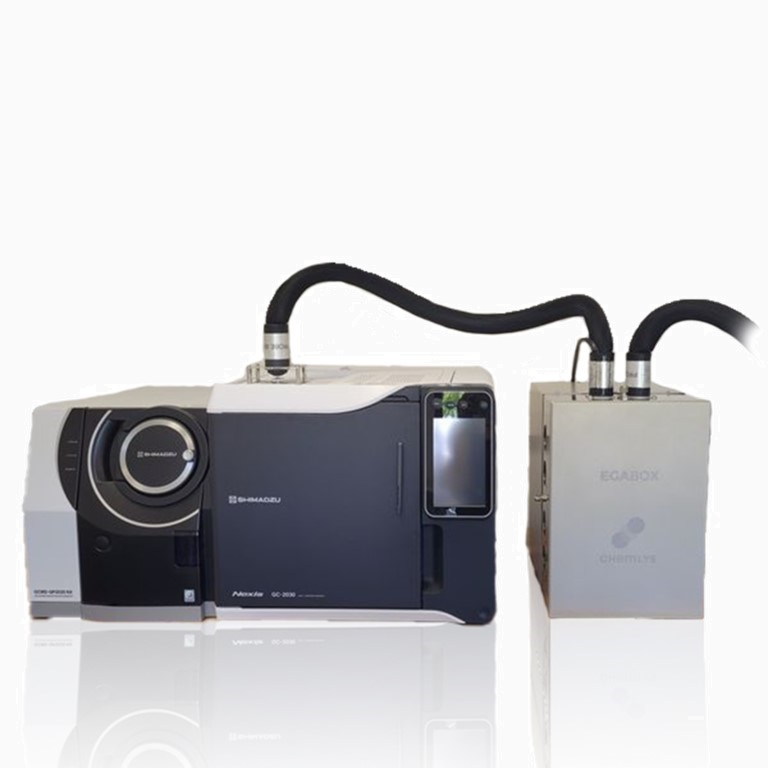
L40 EGA GCMS - Efficient analysis of released gases using GC-MS
➡️ Typical couplings in simultaneous analysis:
🔵 TG-DSC-MS (Thermogravimetry, Differential Scanning Calorimetry, Mass Spectrometer) 🔵 TGA-MS (Thermobalance coupled with Mass Spectrometer) 🔵 TG-DSC-GC/MS (Thermogravimetry, Differential Scanning Calorimetry, Gas Chromatography / Mass Spectrometer)
➡️ The thermal analyzer can be coupled to the spectrometer/chromatograph in various ways: