Isothermal Battery Calorimeters (IBC) precisely measure the heat generation of batteries during charging and discharging, supporting battery research, development, and quality control.
Battery calorimeters measure heat development in batteries.
LINSEISoffers modular IBCs for research and quality control.
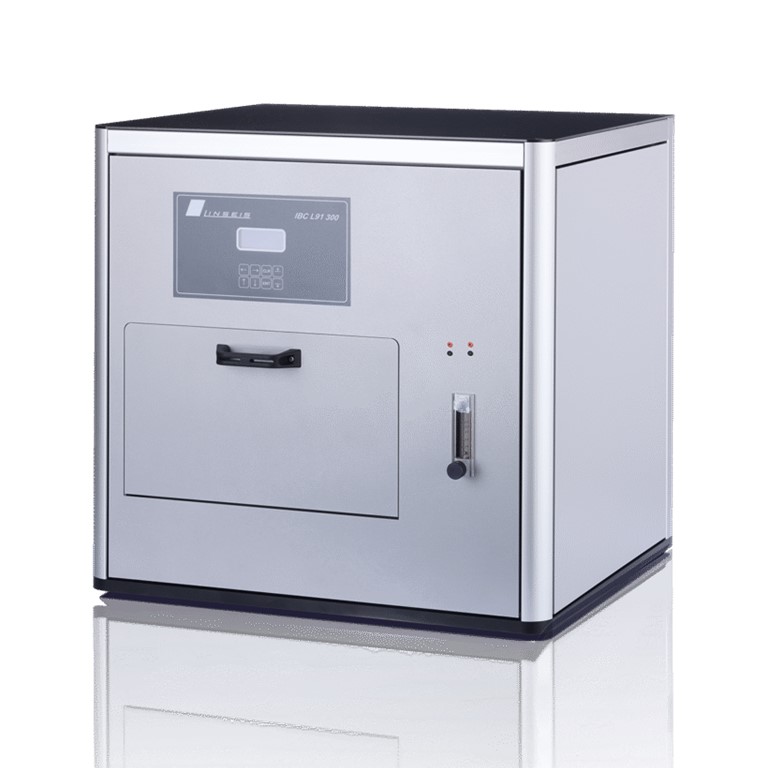
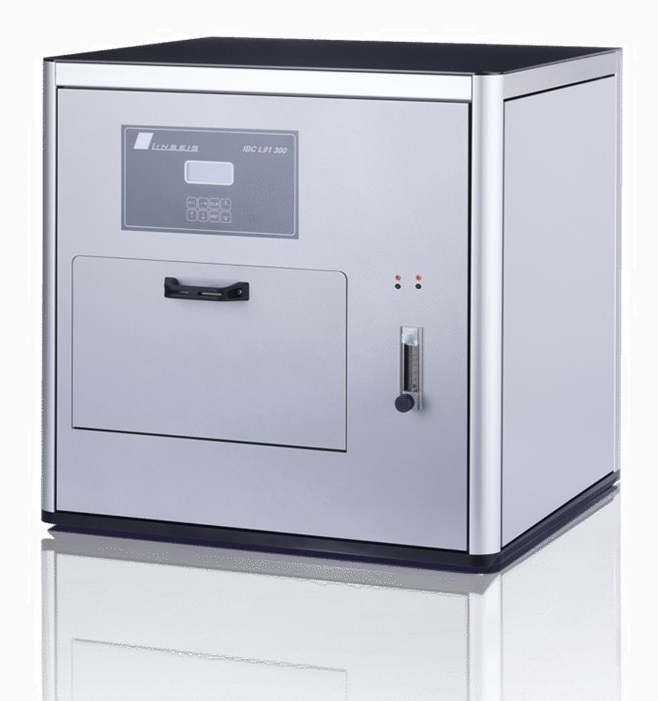
The LINSEIS IBC L91 – Isothermal Battery Calorimeter is a device for measuring the heat generated by a battery during charging and discharging.
This released heat is an important indicator of the performance and current operating state of a cell or battery pack. Depending on the chemical composition, cell design and size, as well as the state of charge and ambient conditions, the amount of heat generation can vary
The LINSEIS IBC L91 – Isothermal Battery Calorimeter
Why battery calorimetry matters
Battery calorimeters precisely measure the heat generated during electrochemical reactions, a key parameter for evaluating thermal behavior, safety, and efficiency of battery cells and modules.
🔵 Targeted applications These systems are essential for the development and qualification of advanced battery technologies such as lithium-ion, solid-state, and next-generation chemistries. They are also widely used in quality assurance, abuse testing, and safety validation for commercial and automotive batteries.
🔵 Thermal analysis for safety By analyzing heat generation under defined charge/discharge conditions or extreme scenarios, battery calorimeters enable detection of early-stage thermal risks, including thermal runaway, cell venting, and reaction onset temperatures, all critical for regulatory compliance and user safety.
🔵Optimizing battery performance Accurate thermal data provides deep insight into internal cell chemistry and design parameters, enabling optimization of energy density, fast-charging behavior, cycle life, and overall system stability.
🔵Enabling innovation in R&D Battery calorimeters are indispensable tools in research and development, from evaluating new materials and binders to testing full-cell assemblies under realistic thermal profiles. The insights gained drive innovation across the energy storage industry.
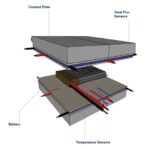
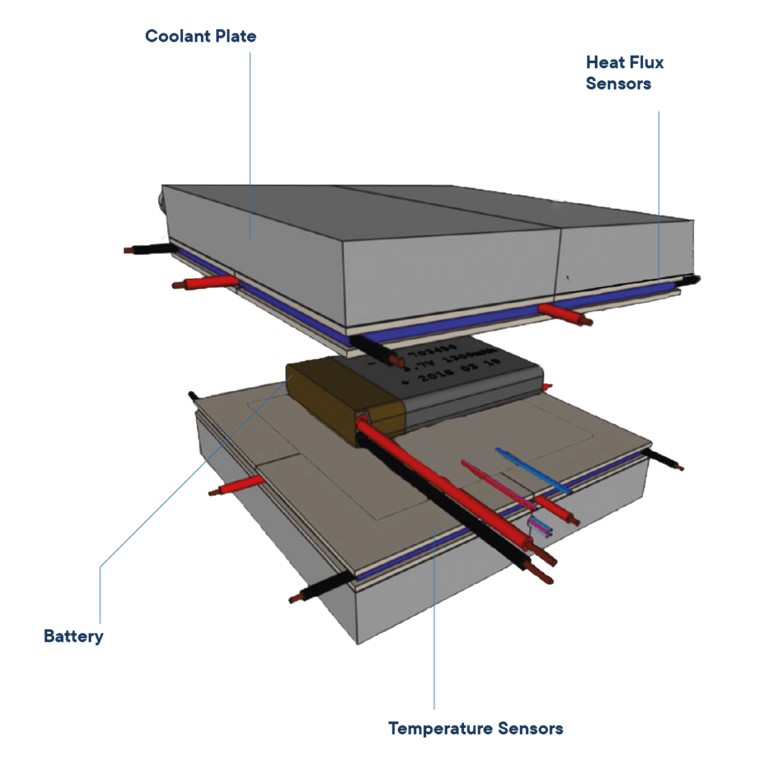
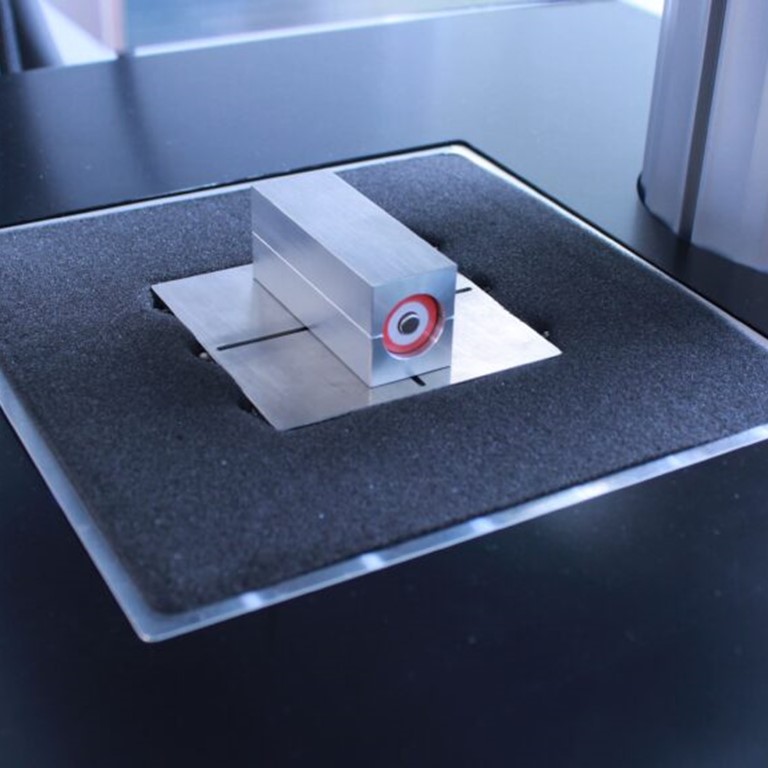
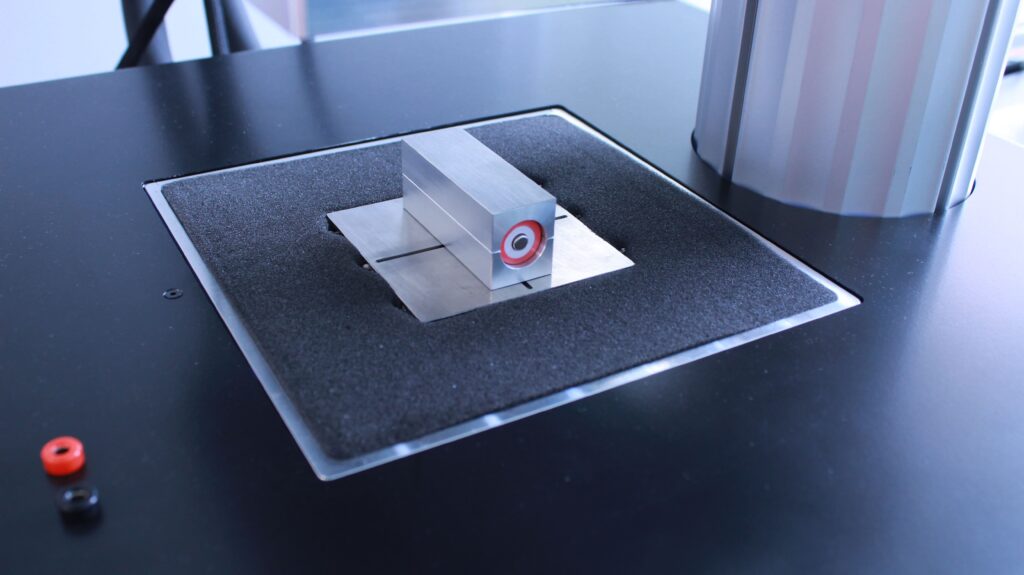
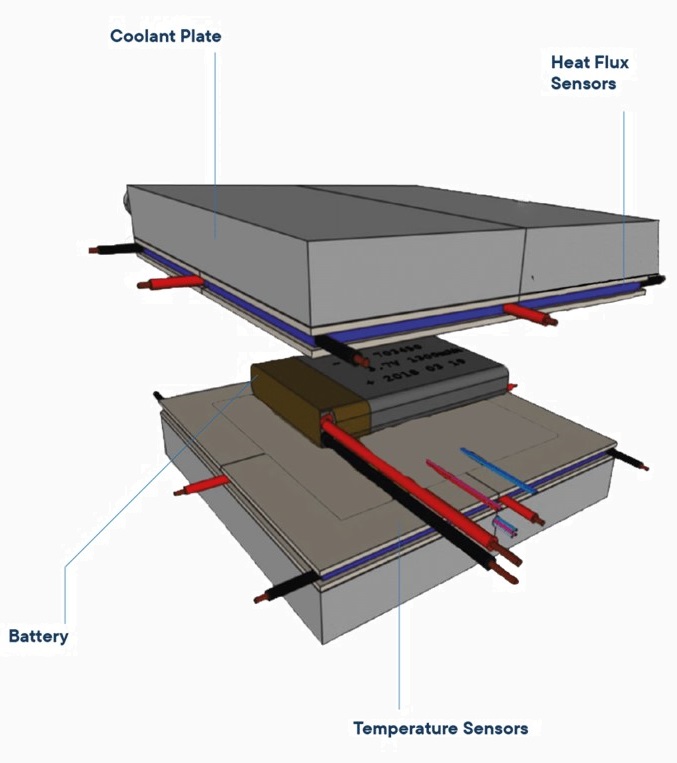
Measuring cell of the IBC Battery Calorimeter
Making values visible and comparable
The IBC L91 operates with two precision-calibrated measurement plates, featuring eight heat flux sensors and ten temperature sensors in its compact base configuration (80 mm × 80 mm).
This layout ensures stable ambient conditions and minimal thermal losses for all sample types. The measurement cell is available in multiple sizes – 80 mm × 80 mm, 300 mm × 300 mm, and 600 mm × 600 mm – and can also be custom-designed to meet specific customer requirements.
The system’s open-access architecture allows seamless integration with virtually any charger, electronic load, or power supply. All measurement data and protocols can be imported into the Linseis Platinum Software, enabling synchronized evaluation of both thermal and electrical battery behavior.
In addition to the flat-plate setup, the IBC L91 supports dedicated adapters for cylindrical cells (e.g., 18650, 14500) as well as coin cells, ensuring full flexibility for a wide range of battery formats.
Applications
The Linseis IBC L91 enables in-depth investigation of batteries under real-world and controlled conditions. It offers precise thermal insight across a wide range of test scenarios, including:
☑️ Variable temperature environments ☑️ Aging and long-term degradation behavior ☑️ Evaluation of thermal efficiency in cells and electronics ☑️ Compatibility with various battery chemistries ☑️ Support for multiple cell formats (pouch, coin, cylindrical, pismatic) ☑️ Detection of phase transitions during operation
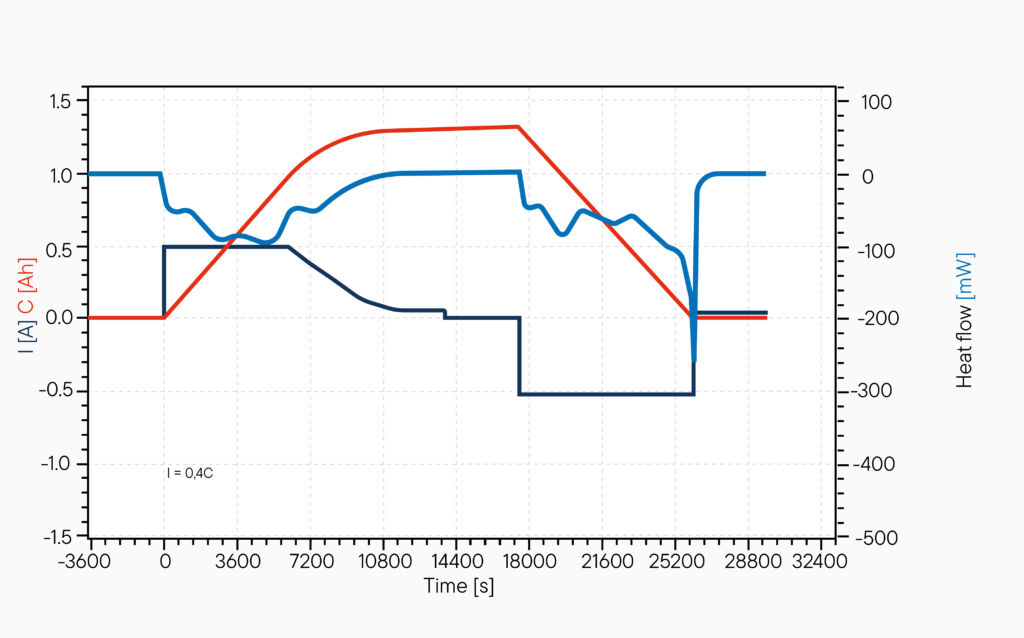
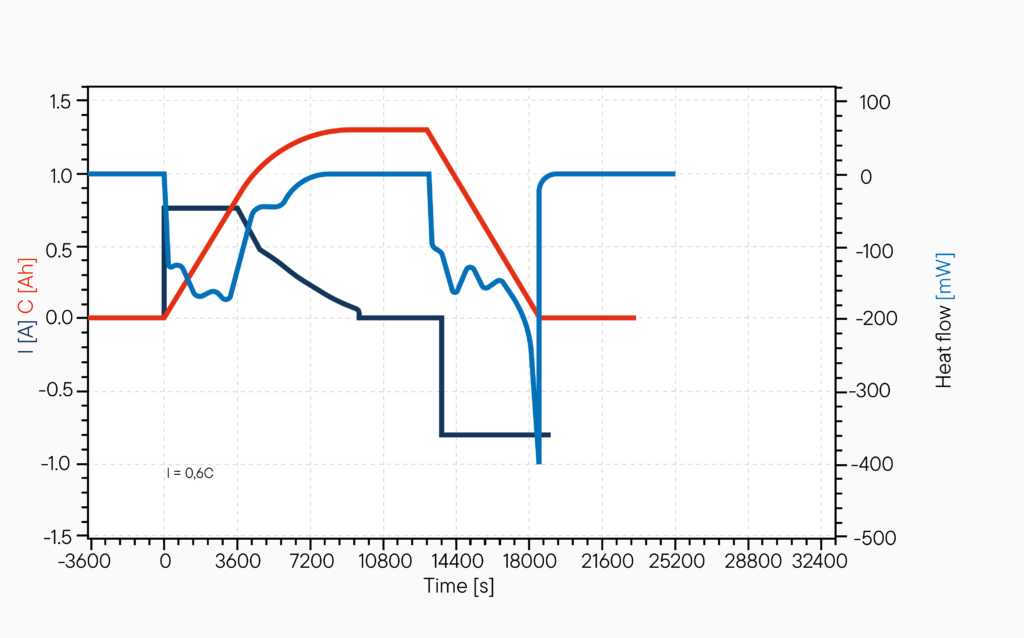
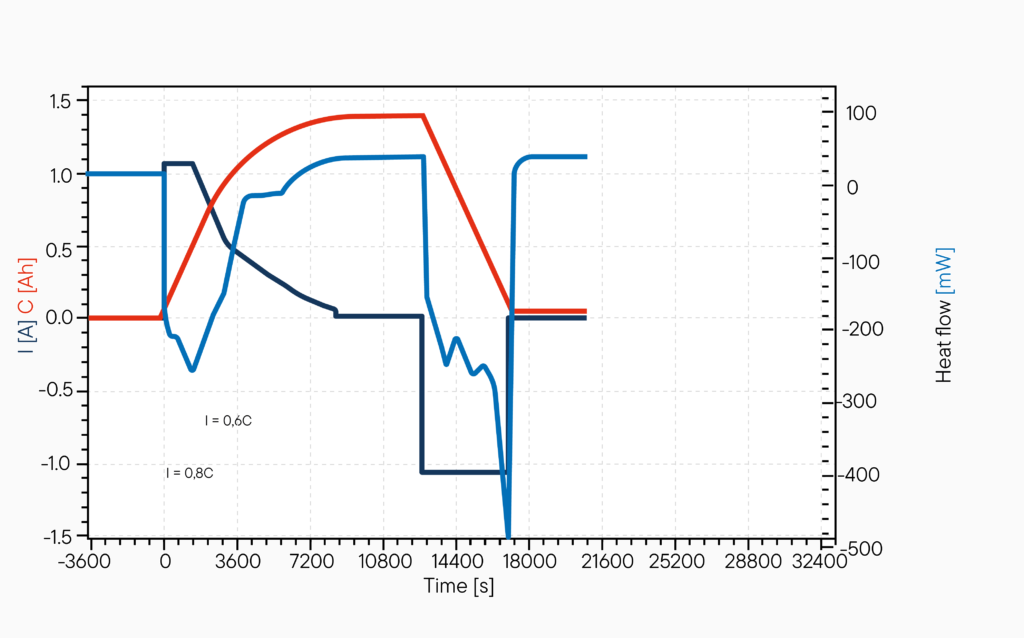
➡️ Application example: Heat flow analysis during battery cycling
This example illustrates the heat flow behavior of a single-cell lithium-ion battery under varying charge and discharge currents. The measurement provides valuable insights into the thermal stress the cell experiences during cycling.
Key parameters such as cell voltage, charge/discharge current, and the resulting heat flow are continuously recorded and visualized. Additionally, calculated metrics such as charging/discharging power and the real-time cell temperature are tracked, enabling comprehensive analysis and documentation of the battery’s thermal and electrical behavior.
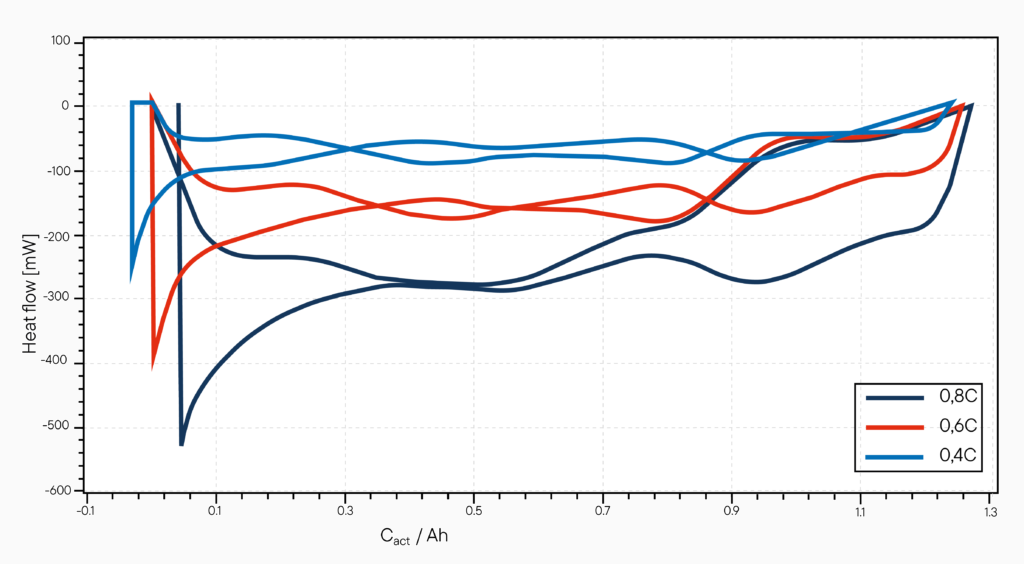
➡️ Application example: Heat flow analysis vs. battery capacity
This application showcases the heat flow behavior of a single-cell lithium-ion battery under varying charge and discharge currents. The data highlights efficiency differences between charging strategies, depending on the battery’s state of charge and capacity.
A key observation is the variation in residual capacity under different discharge conditions. Additionally, a notable increase in heat generation is observed at higher charge and discharge currents, indicating greater thermal stress and potential impact on long-term battery performance.