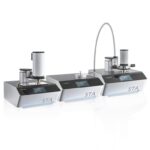
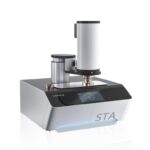
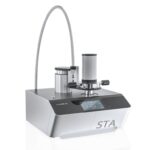
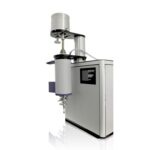
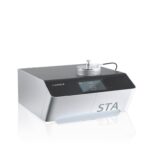
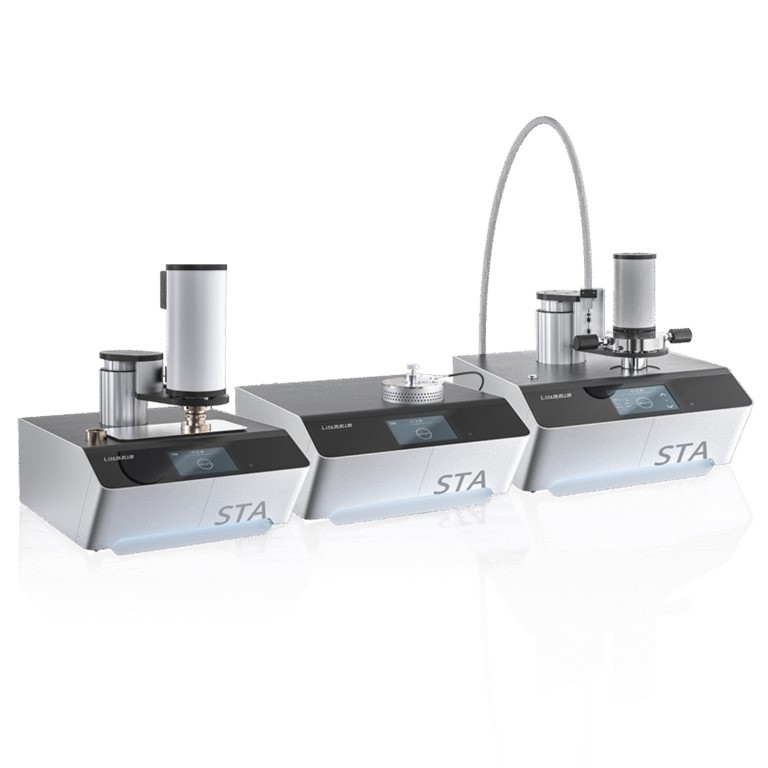
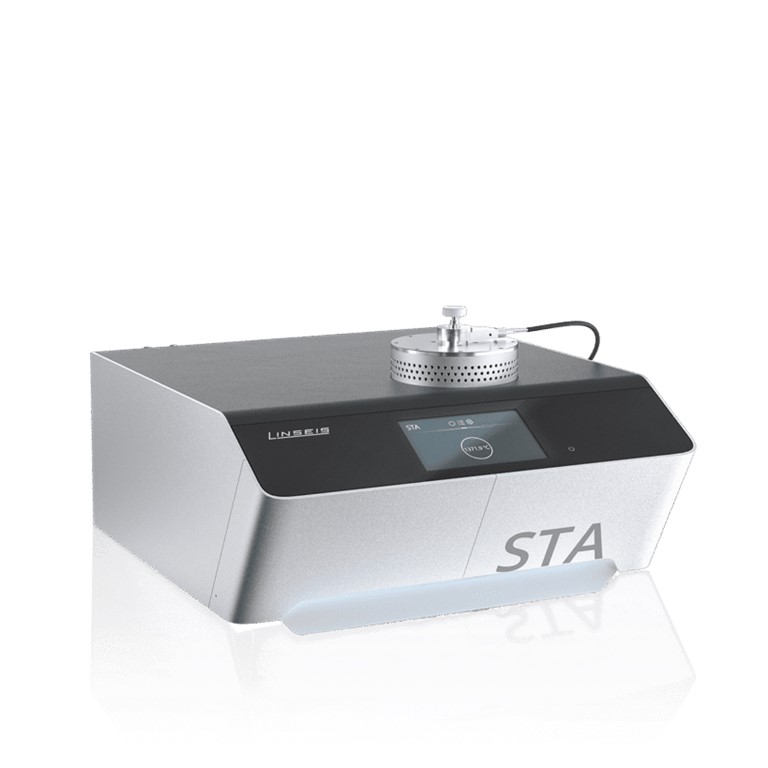
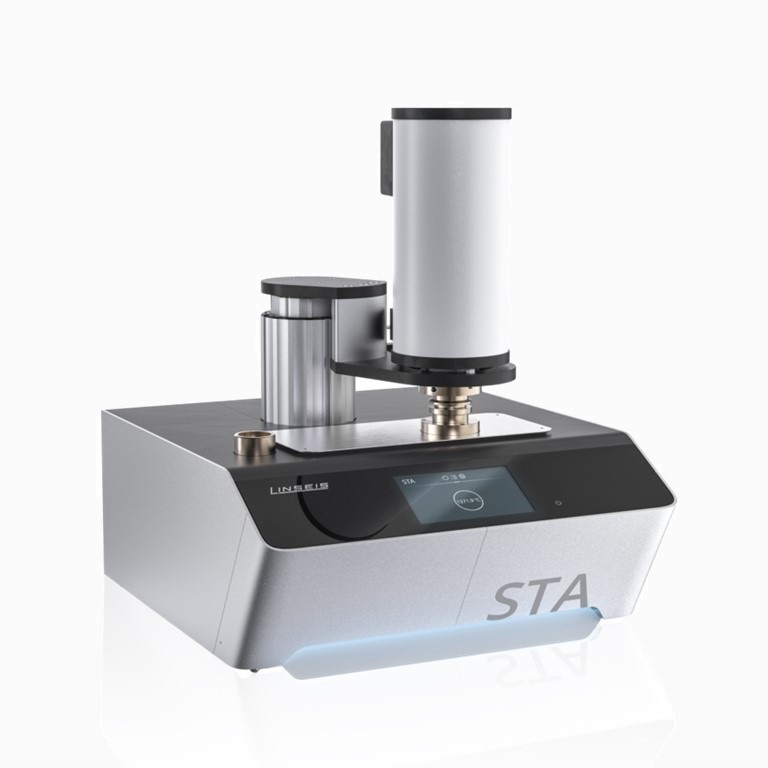
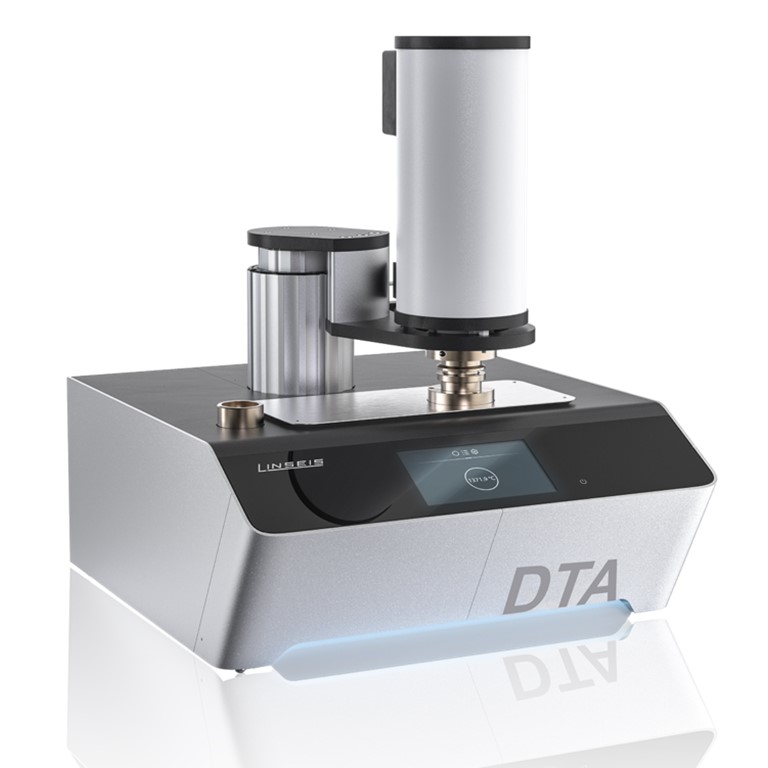
Simultaneous Thermal Analysis (STA) combines thermogravimetry (TG) and differential scanning calorimetry (DSC) for simultaneous measurement of mass change and heat flow, enabling comprehensive material characterization.
Thermogravimetry and differential scanning calorimetry for comprehensive material characterization
The simultaneous measurement of mass change (thermogravimetry / TG) and energy conversion (Differential Scanning Calorimetry / DSC) on a single sample (Simultaneous Thermal Analysis – STA) offers a considerable information advantage over separate measurements in different devices.
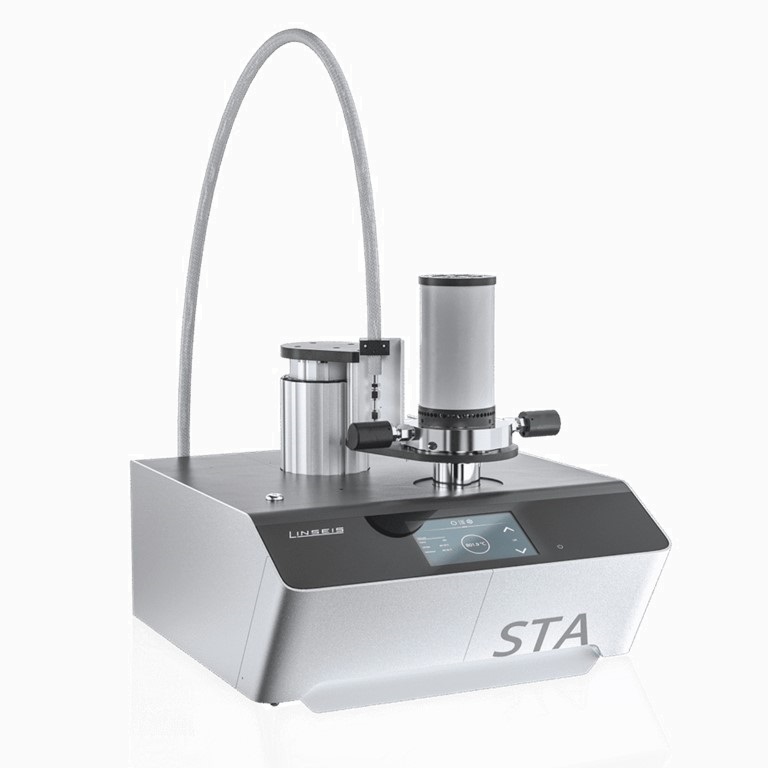
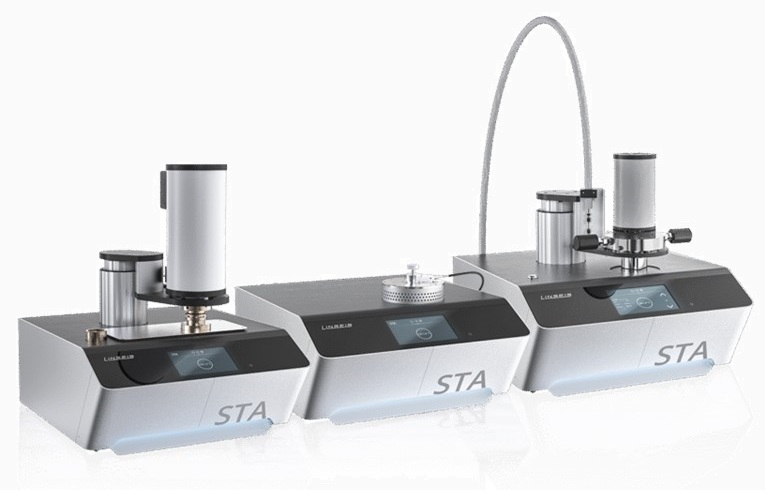
The Linseis STA series was developed to simultaneously measure mass changes (TG) and caloric reactions (DSC) of a sample in the temperature range from -150 °C to +2400 °C. The systems combine the highest precision, maximum resolution, and excellent long-term drift stability – even under the most demanding conditions.
The modular system design includes various furnace types as well as a wide range of sample holders and crucibles, complemented by extensive accessories such as gas mixing systems, gas analyzers, gas safety systems, and the powerful LiEAP software.
All STA systems at a glance
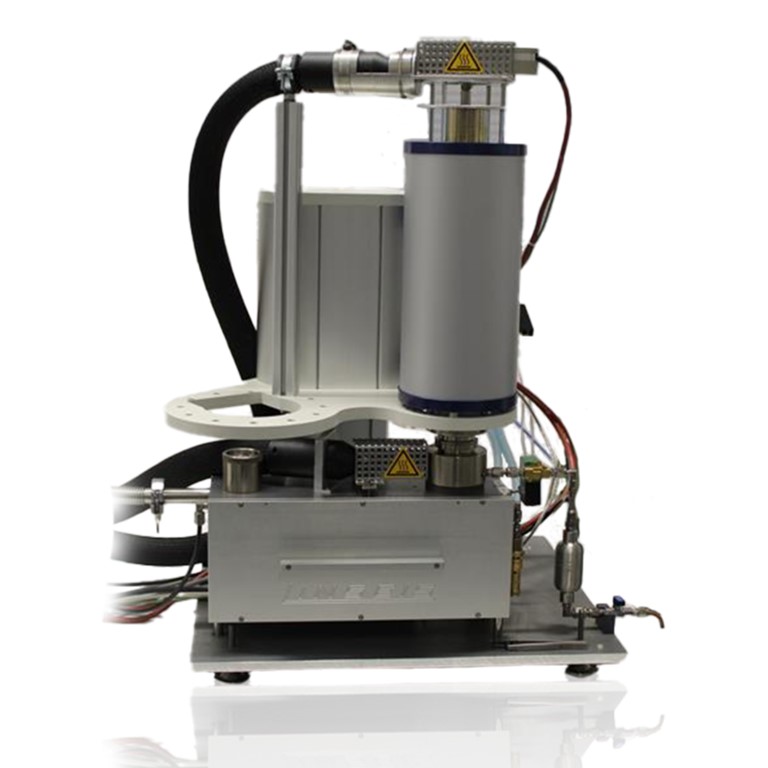
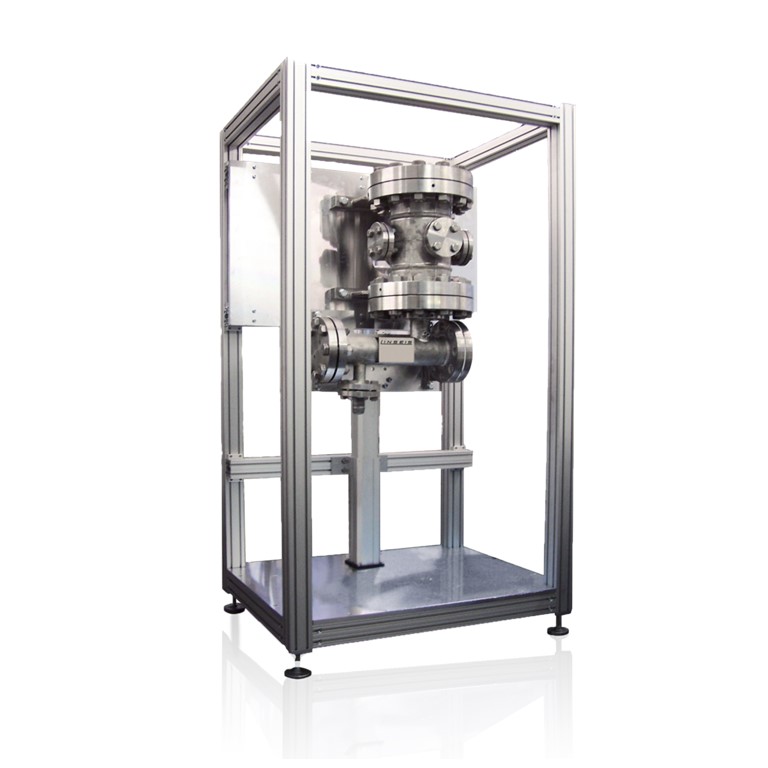
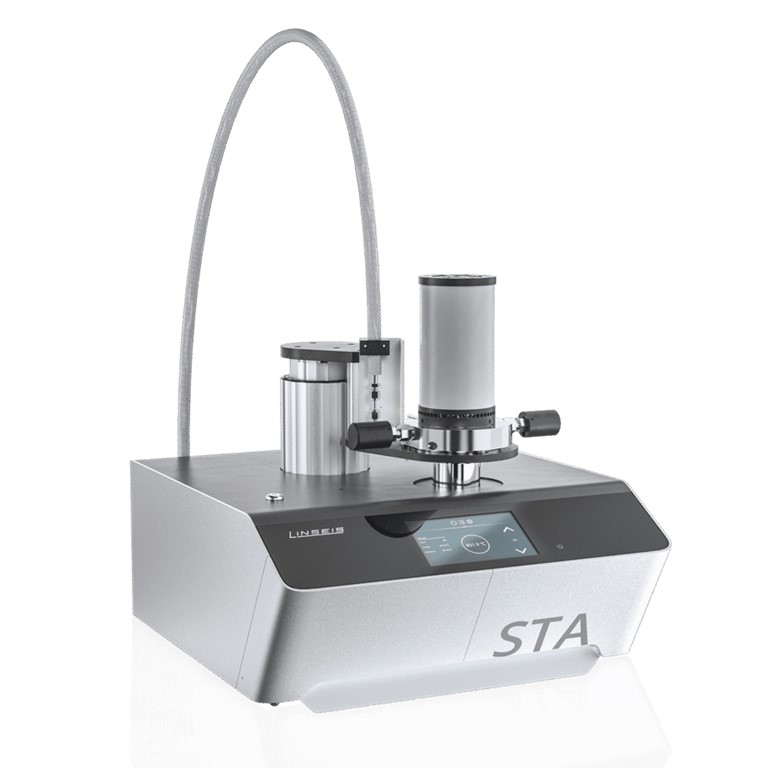
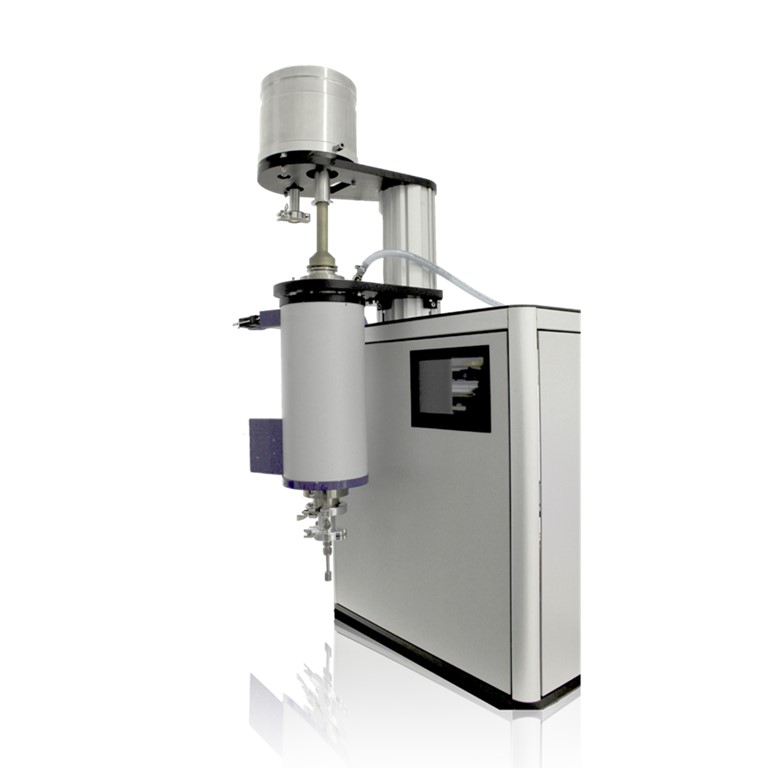
STA L81: TG + DSC – High temperature STA with furnace configuration up to 2400°C
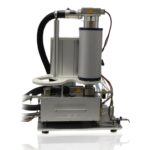
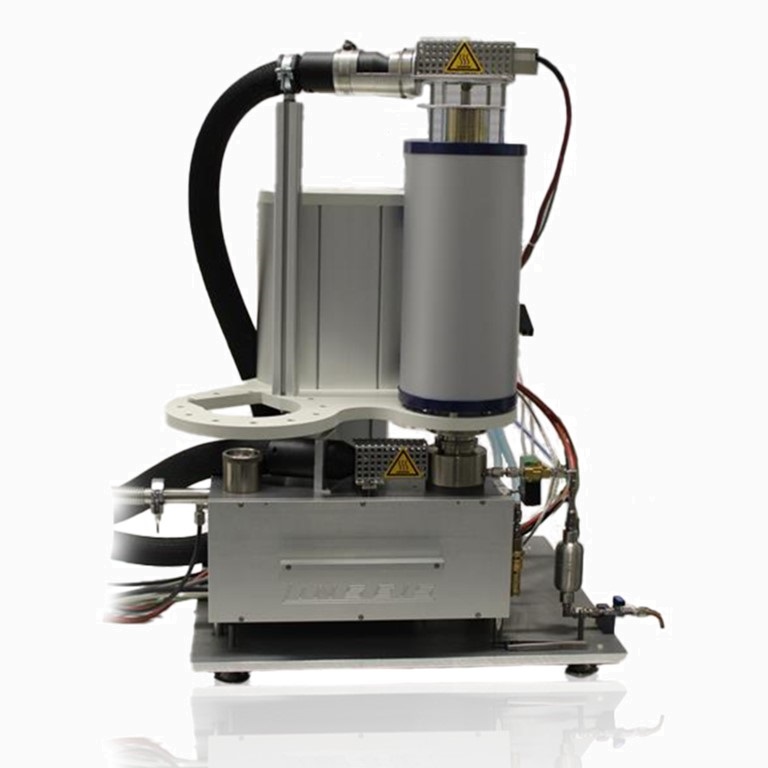
STA L81 Nuclear: STA for radioactive samples
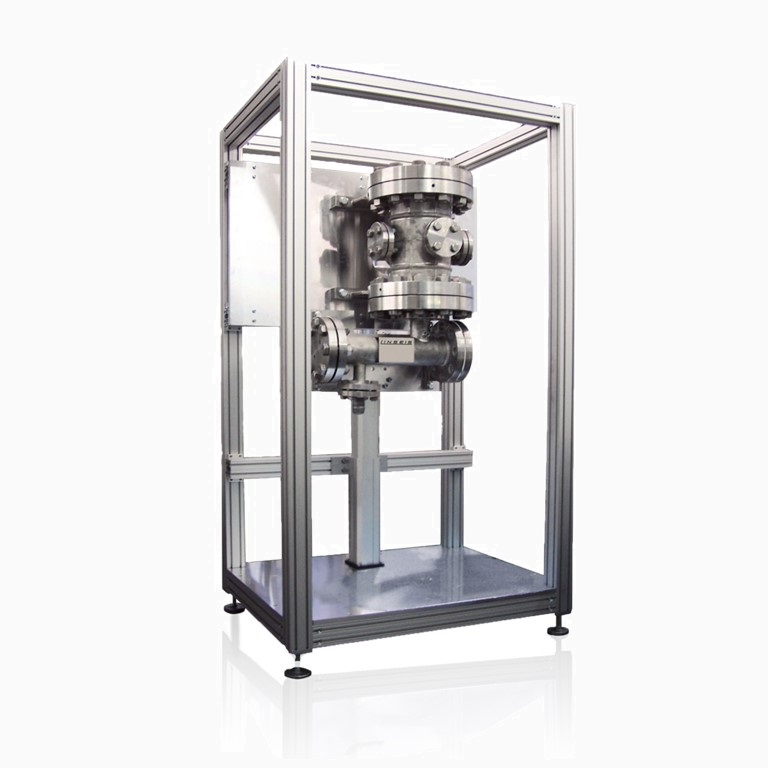
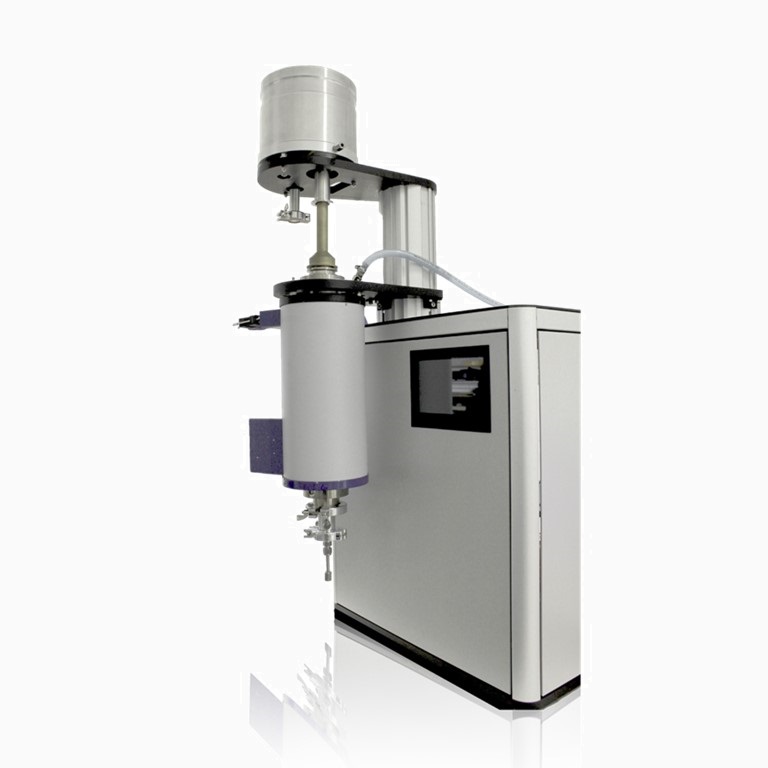
STA HP L84: High-pressure thermobalance up to 150 bar
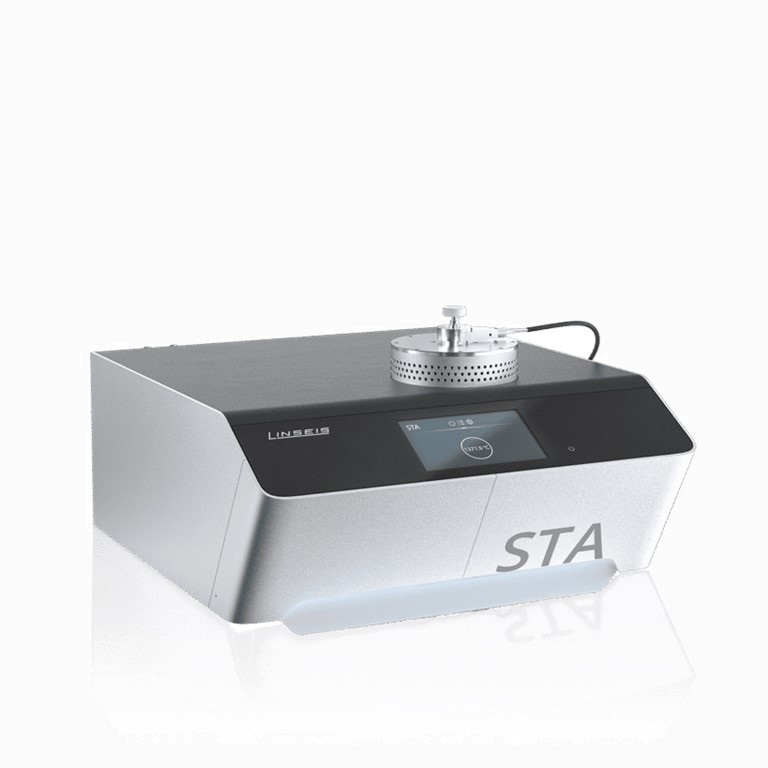
STA HP L85: High-pressure thermobalance / High-pressure STA in the table version
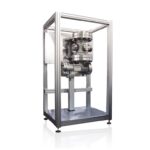
STA/TGA L86: Hanging scale for high precision measurements
STA L82: Flexibility in Simultaneous Thermal Analysis
Comprehensive Material Characterization with STA
Simultaneous Thermal Analysis (STA) combines thermogravimetry (TGA) and dynamic Differential Scanning Calorimetry (DSC) in one measuring system, enabling the simultaneous recording of mass changes and heat flows on the same sample under identical conditions. This method provides precise and comprehensive information on thermal stability, phase transitions, oxidation and reduction reactions, and decomposition processes.
Since 1957, Linseishas developed and produced high-precision systems for thermal analysis. The STA systems combine maximum sensitivity and stability with a wide temperature range from -150 °C to 2400 °C, providing research laboratories and quality control facilities with a reliable platform for the comprehensive characterization of a wide range of materials—from polymers and metals to ceramics and composites.
Measured variables and applications:
🔵 Determination of thermal stability 🔵 Phase transitions and melting points 🔵 Oxidation and reduction reactions 🔵 Determination of the glass transition (Tg) 🔵 Decomposition and combustion 🔵 Quantitative composition analysis 🔵 Reaction kinetics 🔵 Safety and stability analyses 🔵 Evaluation of additives and fillers
Simultaneous thermal analysis (STA) combines thermogravimetry (TGA) and differential scanning calorimetry (DSC) in a single measuring system. In this process, mass changes and heat flows are recorded simultaneously on the same sample to comprehensively characterize thermal processes.
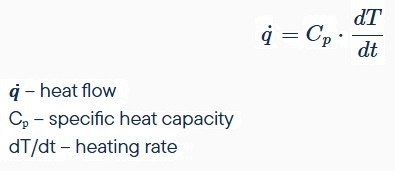
The DSC equation describes the relationship between heat flow, specific heat capacity, and heating rate. It can be used to precisely quantify endothermic and exothermic processes such as melting, crystallization, and glass transitions.
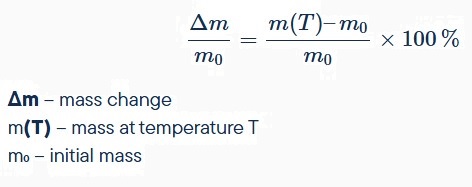
The TGA equation shows the relative mass change of a sample as a function of temperature or time. It is used to investigate decomposition, oxidation, evaporation, and reduction processes, providing valuable information about the thermal stability and composition of materials.
System configurations and measurement environments
The STA series from Linseisfeatures a modular design and can be flexibly adapted to a wide range of applications. Depending on the measuring task, different furnace types can be used – from low-temperature furnaces to high-temperature systems with measuring ranges from -150 °C to 2400 °C. This flexibility enables precise analysis of both organic and inorganic materials.
In addition, various atmosphere options are available. Measurements can be performed under inert, oxidizing, reducing, or vacuum conditions. Precise gas control guarantees reproducible measurement conditions and a stable baseline over the entire temperature range.
Optionally available high-resolution sensors and differential weighing technology ensure particularly sensitive detection of even the smallest mass changes. In combination with the excellent temperature stability of Linseis furnace technology, this ensures maximum measurement accuracy and repeatability.
Unique features of Linseis STA systems
Linseishas been one of the technological pioneers in thermal analysis for decades. STA systems combine maximum precision, modular flexibility, and superior sensor and furnace technology for reliable, reproducible results in research, development, and quality assurance.
1. User-changeable sensor technology The modular sensor system allows the interchangeable use of TG, DSC, and DTA sensors directly by the user, without the need for servicing. This allows measurement tasks to be flexibly adapted, maintenance times to be minimized, and operating costs to be reduced—a clear advantage over permanently installed sensor systems.
2. Widest temperature range in its class With several furnace types covering -150 °C to +2400 °C, Linseisoffers one of the widest temperature ranges on the market. Combinable low-temperature, high-temperature, and special furnaces enable precise analysis of a wide variety of materials, from polymers and ceramics to metals.
3. Superior measurement accuracy through protected sensor architecture The patented Tri-Couple and Calvet sensor technology deliver exceptional signal stability and temperature homogeneity across the entire measurement range. This enables higher DSC sensitivity and lower drift, particularly during long-term and high-temperature measurements.
4. Vacuum and high-pressure options up to 150 bar STA systems can be operated under controlled vacuum (up to 10⁻⁵ mbar) or under overpressure conditions up to 150 bar. This enables advanced sorption measurements, reaction kinetics, and process simulations under realistic operating conditions.
Why Linseis – The difference in simultaneous thermal analysis
☑️ Long-Term Investment with Added Value
The focus is not only on precision, but also on sustainable added value throughout the entire lifecycle. These systems offer some of the lowest operating costs in their class thanks to durable, low-maintenance components, a robust design, and intelligent software maintenance.
Fewer service calls, shorter downtimes, and continuous remote updates ensure maximum system availability and future-proof operation — for decades to come.
☑️ Customized Solutions – Flexibility as Standard
Every measuring task is unique – which is why systems are not limited to standard configurations, but can be precisely tailored to specific applications. Whether a special furnace, custom sensor technology, an extended temperature range, or customer-specific software integration, solutions can be adapted to match exact requirements.
With a modular product architecture, customization becomes standard – delivering fast, precise, and reliable solutions for even the most demanding applications.
☑️ Technological Pioneers and Innovation Since 1957
LINSEIShas been a technological pioneer in thermal analysis for more than six decades. With one of the highest in-house production rates in the industry and an excellent R&D department, systems are developed that continuously set new standards in precision, stability, and adaptability.
From the mechanical design and electronics to the software, every core system component is developed in-house, ensuring technologically advanced, high-performance, and uncompromisingly precise measurement technology Made in Germany 🇩🇪.
☑️ Software Expertise at the Highest Level
With the newLiEAP software suite, LINSEISis redefining the standard in thermal analysis. Modular in design, intuitive to use, and equipped with state-of-the-art evaluation and remote functions, it ensures maximum efficiency, transparency, and control at every step of the process.
Areas of application for simultaneous thermal analysis