Thermomechanical Analysis (TMA) measures dimensional changes of a sample under controlled temperature and mechanical load, enabling precise evaluation of thermomechanical properties.
Change in sample geometry over temperature with additional sample load
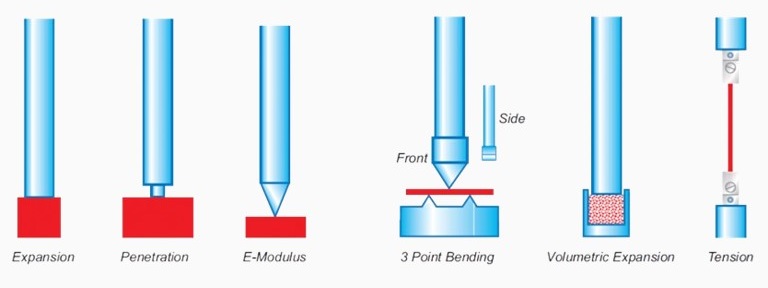
With Thermomechanical Analysis (TMA), the change in sample geometry is measured under controlled temperature with additional mechanical loading. Static tests include expansion, penetration, tensile, compression, and 3-point bending tests.
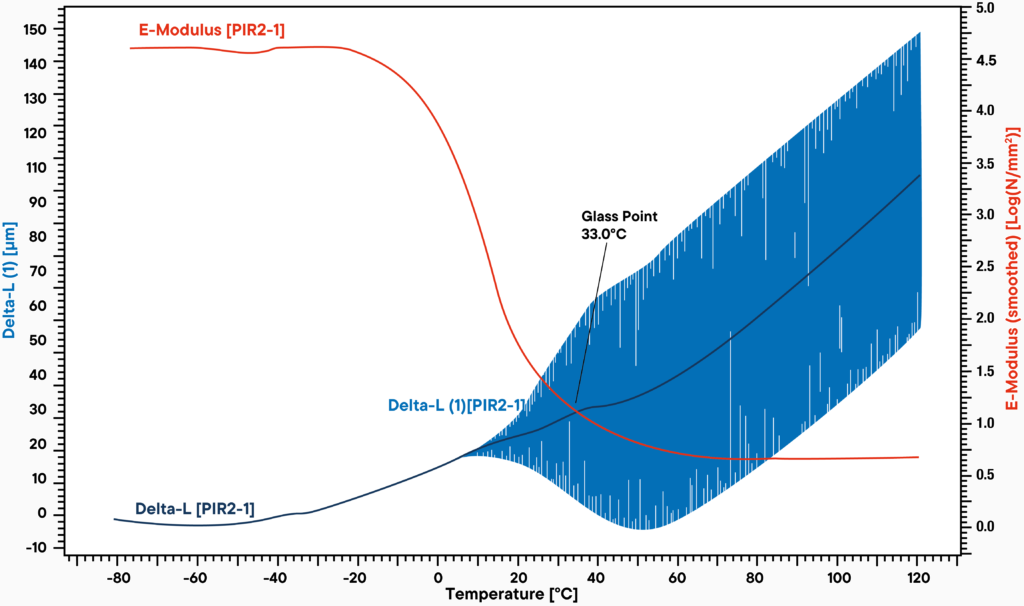
By applying an oscillating force to the sample, dynamic thermomechanical analysis (dynamic TMA) records its frequency and temperature dependence, as well as its viscoelastic properties, enabling the determination of the modulus of elasticity and damping values.
All TMA systems operate in accordance with the following national and international standards: DIN 51005, ASTM D3386, ASTM E831, ASTM D696, and ISO 11359 (Parts 1–3).
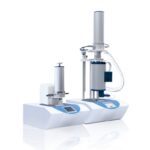
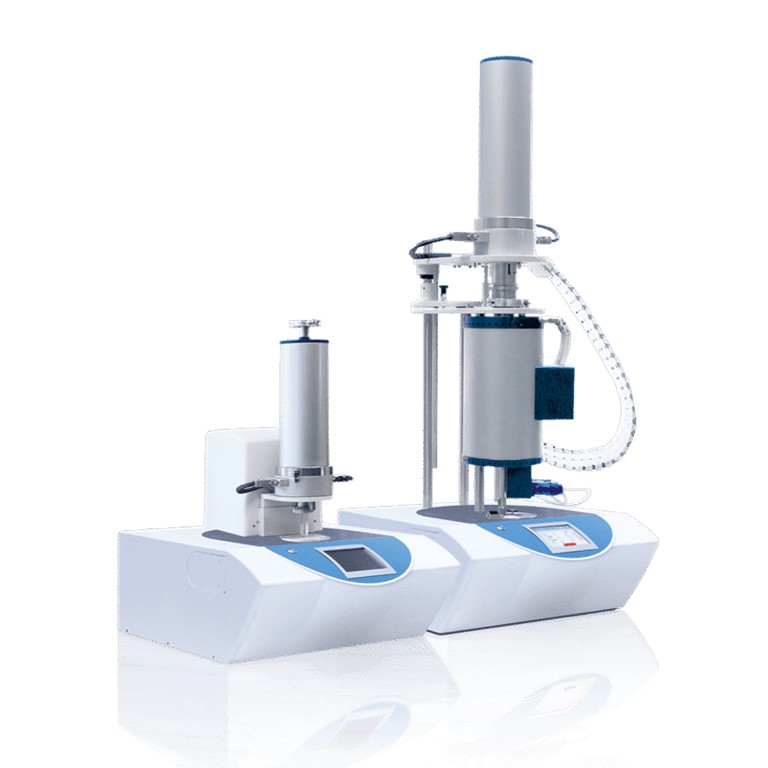
TMA measuring devices
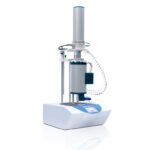
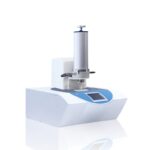
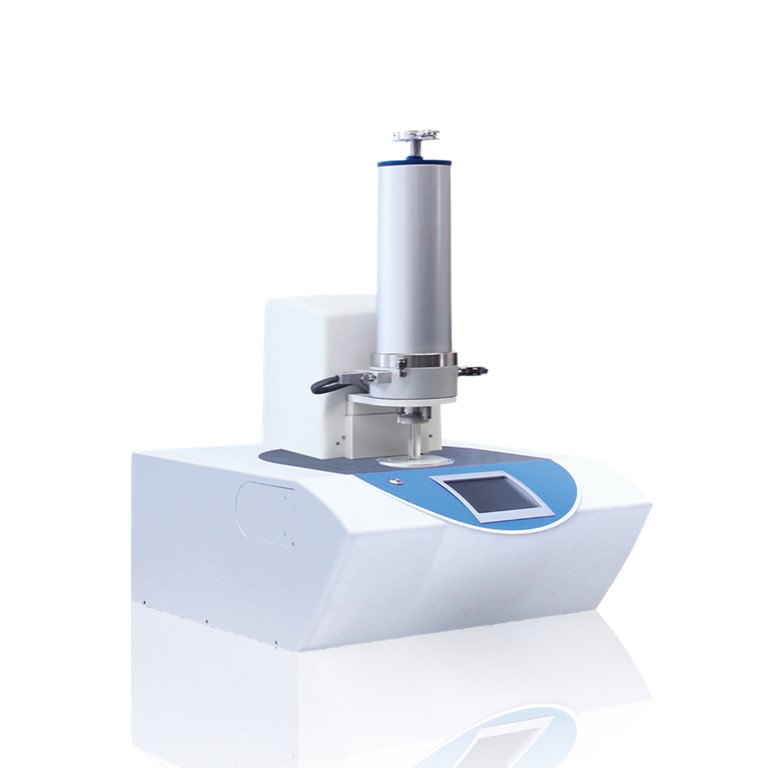
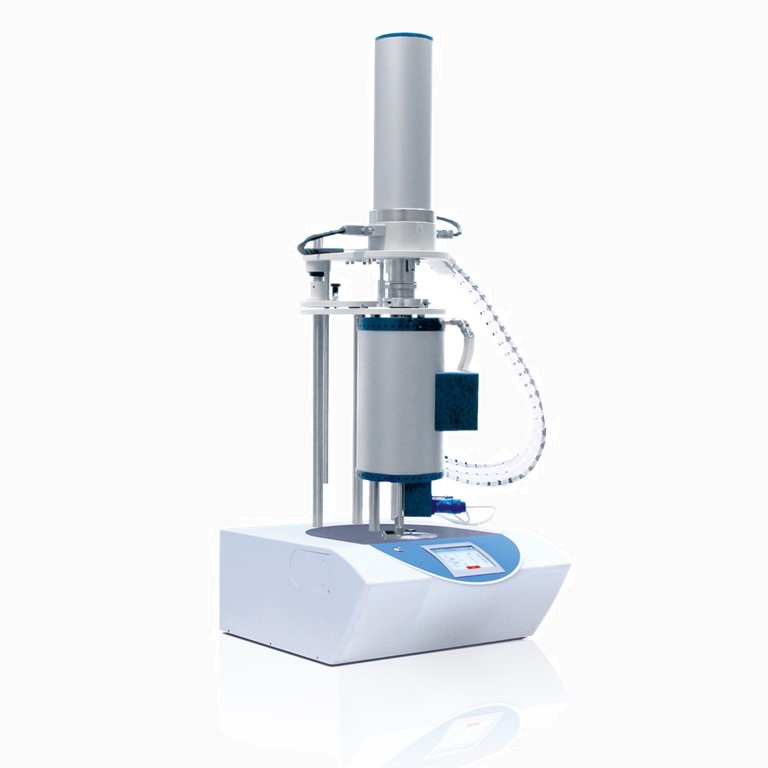
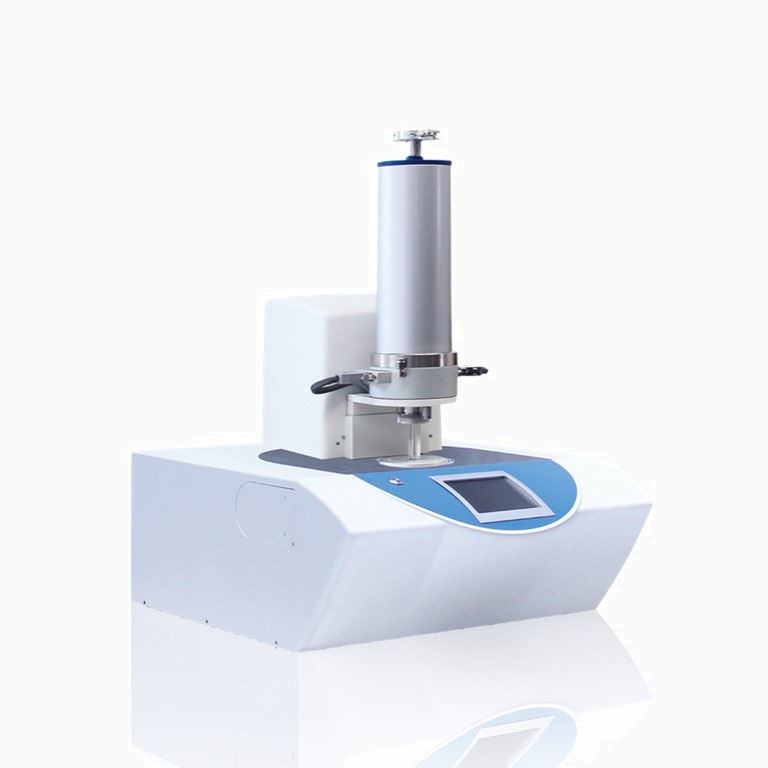
TMA PT 1600 (TMA L72) - The specialist for thermomechanical analysis
Both the temperature and the atmosphere can be controlled separately. An optional mass flow controller for regulating a purge gas is also available. The vacuum-tight measuring cell enables measurements under defined atmospheres, allowing even oxidation-sensitive samples to be analyzed reliably.
Furnace: A range of robust and reliable furnaces is available for the TMA Platinum series. The individual design enables extremely fast heat-up and cool-down times, as well as excellent temperature control over the entire measuring range.
Cryo Option for Temperatures down to 10 K
With the Cryo-Option, temperatures below 10 K are now possible. This results in a potential measuring range of approximately -263 °C to +220 °C, enabling even the most demanding low-temperature measurements.
Measuring sensors: Every dimensional change in the sample is transmitted via a push rod to a high-precision inductive transducer (LVDT sensor). Its highly precise and reliable signal ensures excellent reproducibility over the entire temperature range. The temperature sensor is located directly next to the sample, resulting in exceptionally high measurement accuracy.
In Dynamic Thermomechanical Analysis (DTMA), a known sinusoidal force and temperature profile are applied to the sample, and the resulting sinusoidal response is measured. This enables the investigation of the viscoelastic behavior of the sample. The force exerted on the probe changes automatically according to the specified frequency.